Description
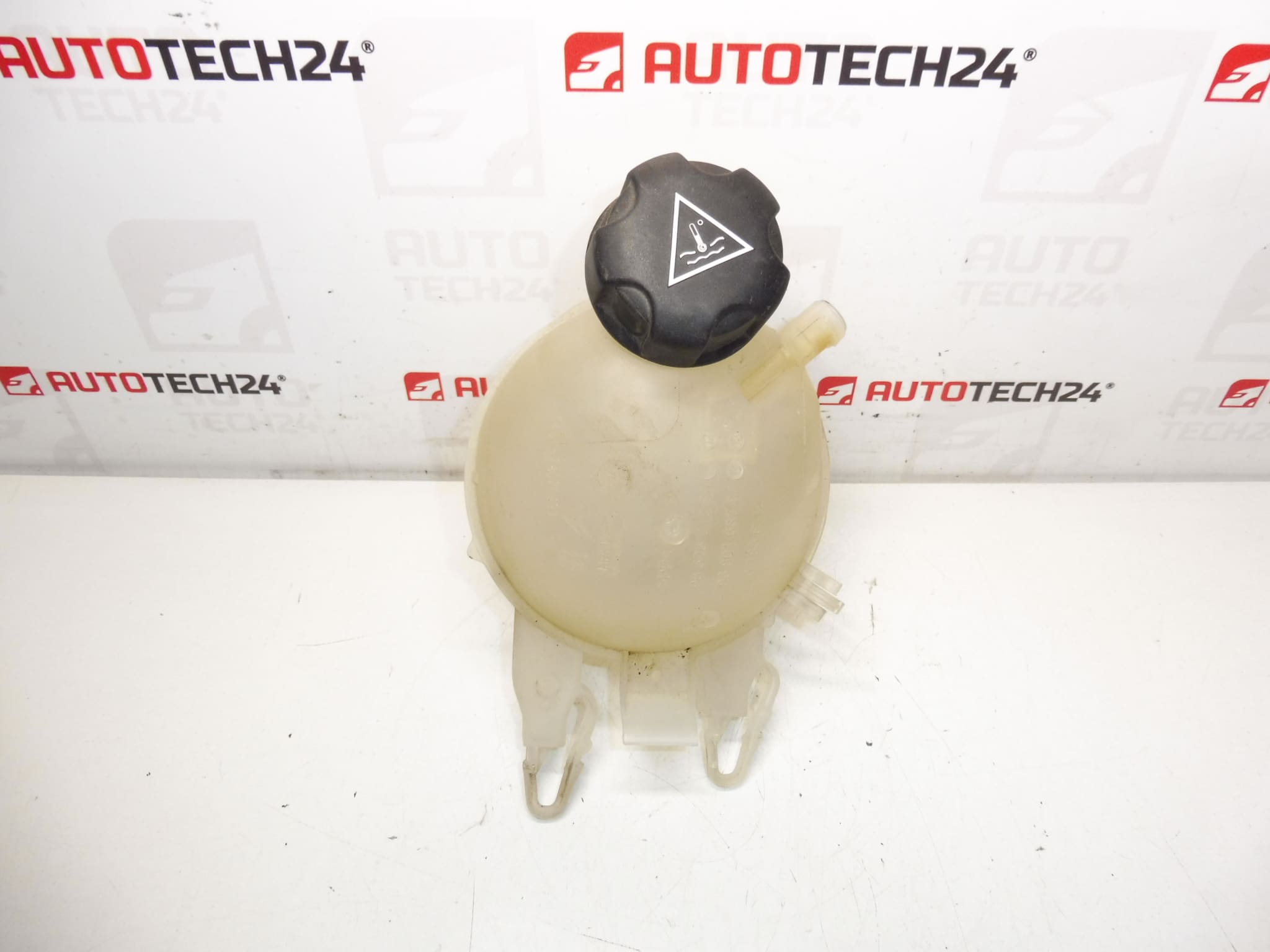
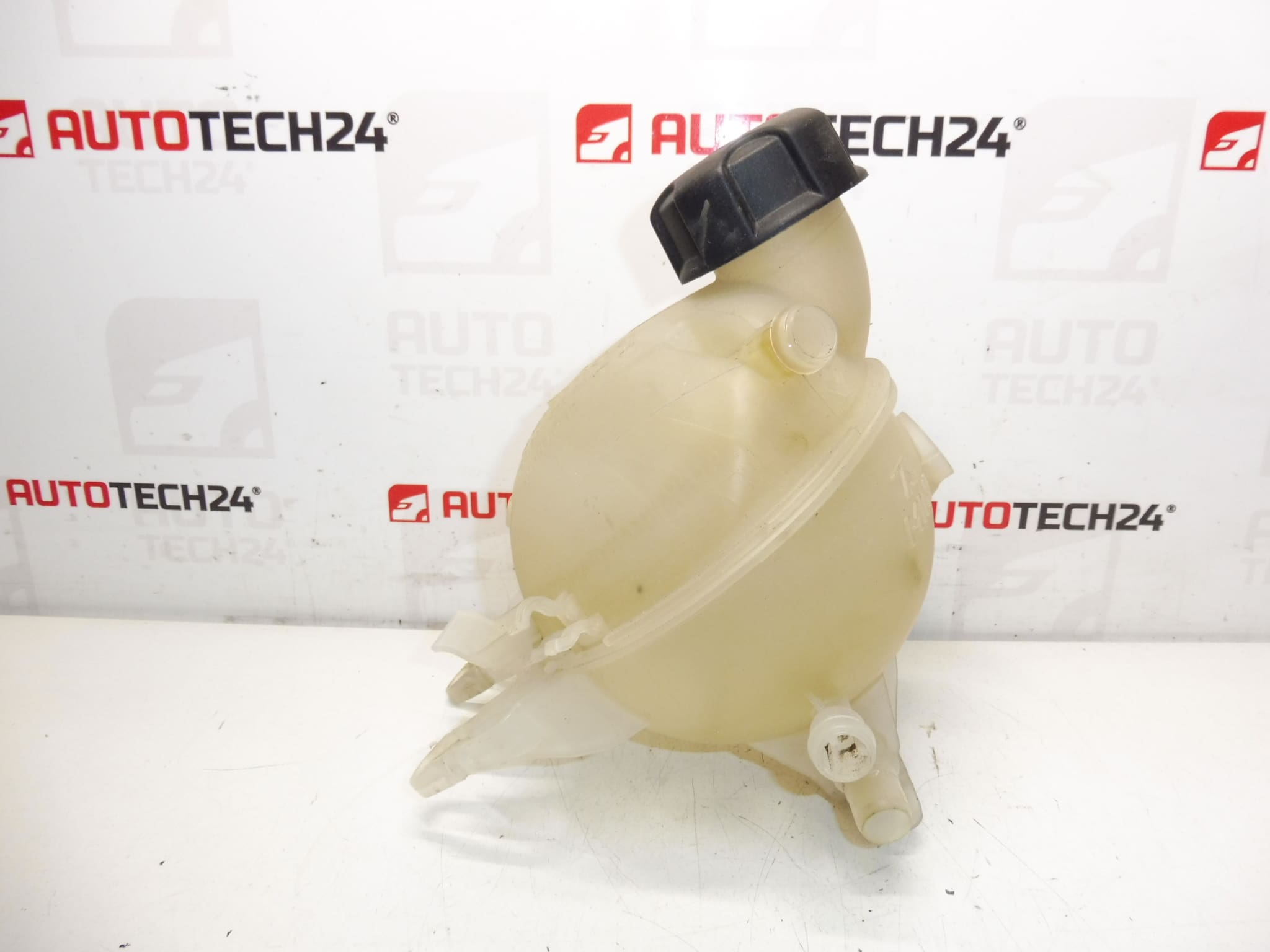
Expansion tank for various models of PEUGEOT and CITROEN and DS cars
Original part with original pressure cap
Part description
This cooling system expansion tank is intended for selected Citroën / Peugeot / DS cars. It is an original used part supplied with original pressure cap, which is essential to maintain proper pressure in the cooling system and stable engine operating temperature.
The expansion tank is used to equalize the volume of the coolant during temperature changes and at the same time enables a visual check of the level. If the original container is cracked, brittle or the cap is leaking, fluid leaks, aeration in the circuit and overheating of the engine can occur.
Technical information
- Manufacturer: Stellantis
- Model: Citroën / Peugeot / DS (specific model not specified)
- Other numbers: 1306E4, 1306J5
Product codes
- Product codes: 9652621280, 9680163780, 9800777280
Installation recommendations
Generally/typically applies to the replacement of the expansion tank of the cooling system; the exact steps may vary depending on the specific model and make of the car.
1) Before assembly
- Compare the old and new piece: container shape, location and diameters of outlets, number/type of connections, method of attachment.
- Check the condition of the used part: hairline cracks, clouding of the plastic, damaged neck, thread or cap seating surface.
- Verify that the pressure cap is included and that its seal is not hardened or damaged.
2) Necessary tools and materials
- Basic set of hand tools (screwdrivers, clip pliers, ratchet/extensions according to design).
- Liquid container, rags/cleaner.
- New clips/hose clamps (recommended if the original ones are tired).
- Coolant according to the vehicle specification (if topping up is needed).
3) Step-by-step assembly procedure
- Allow the engine to cool completely (working on a hot system is dangerous).
- Slowly loosen the cap of the expansion tank and release any residual pressure.
- Prepare a container for the liquid and protect the surrounding area from splashing.
- Disconnect the hoses from the expansion tank (use pliers for the clamps, twist the hoses carefully so as not to damage the necks).
- If a connector/level sensor is present (if equipped), disconnect the electrical connector.
- Unfasten the canister attachment (screws/clips depending on the design) and remove the canister.
- Clean the surroundings and contact points, check the condition of the hoses (hardening, cracks, deformation of the ends).
- Install the new expansion tank into the holder and seat it firmly.
- Connect all hoses in the correct direction and secure them with clips/clamps.
- Connect any electrical connector (if any).
- Top up the coolant to the correct level and carry out bleeding in the manner prescribed for the vehicle.
- Close the container with a pressure cap.
-
4) Post-assembly checks and test drive/function verification
- After starting, check for visible leaks at the neck, hoses and connections.
- After warming up the engine, check the stability of the level and recheck for leaks.
- After the engine cools down, check the level again and, if necessary, top up gently.
5) The most common assembly mistakes + how to avoid them
- Opening the system when hot → always wait for it to cool down.
- Rolled/wrongly seated hoses → before tightening the clips, check the stop and correct routing.
- Leaving old tired clips → use new ones for suspect clips to avoid micro-leaks.
- Insufficient ventilation → follow the correct procedure for the specific car, otherwise there is a risk of temperature fluctuations and leaks.
Reasons why the part is damaged
- Plastic aging due to heat and time (brittleness, microcracks, deformation).
- Pressure stress in the cooling system – in the event of a cap failure or overpressure, the container may burst.
- Leaks at throats caused by hardened hoses, bad clamps or repeated disassembly.
- Contamination and fouling (poor liquid, deposits) that can impair the function of the cap and seal.
- Mechanical damage during servicing (broken outlets, cracks from prying hoses).