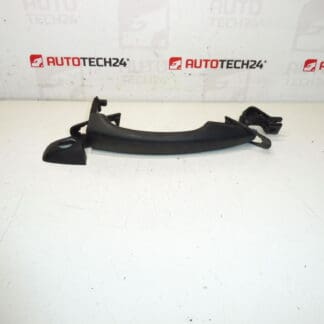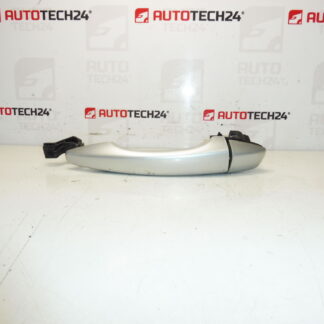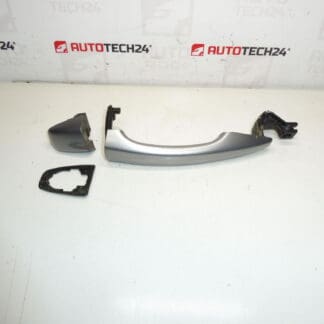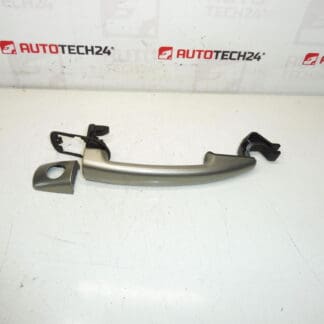
Description
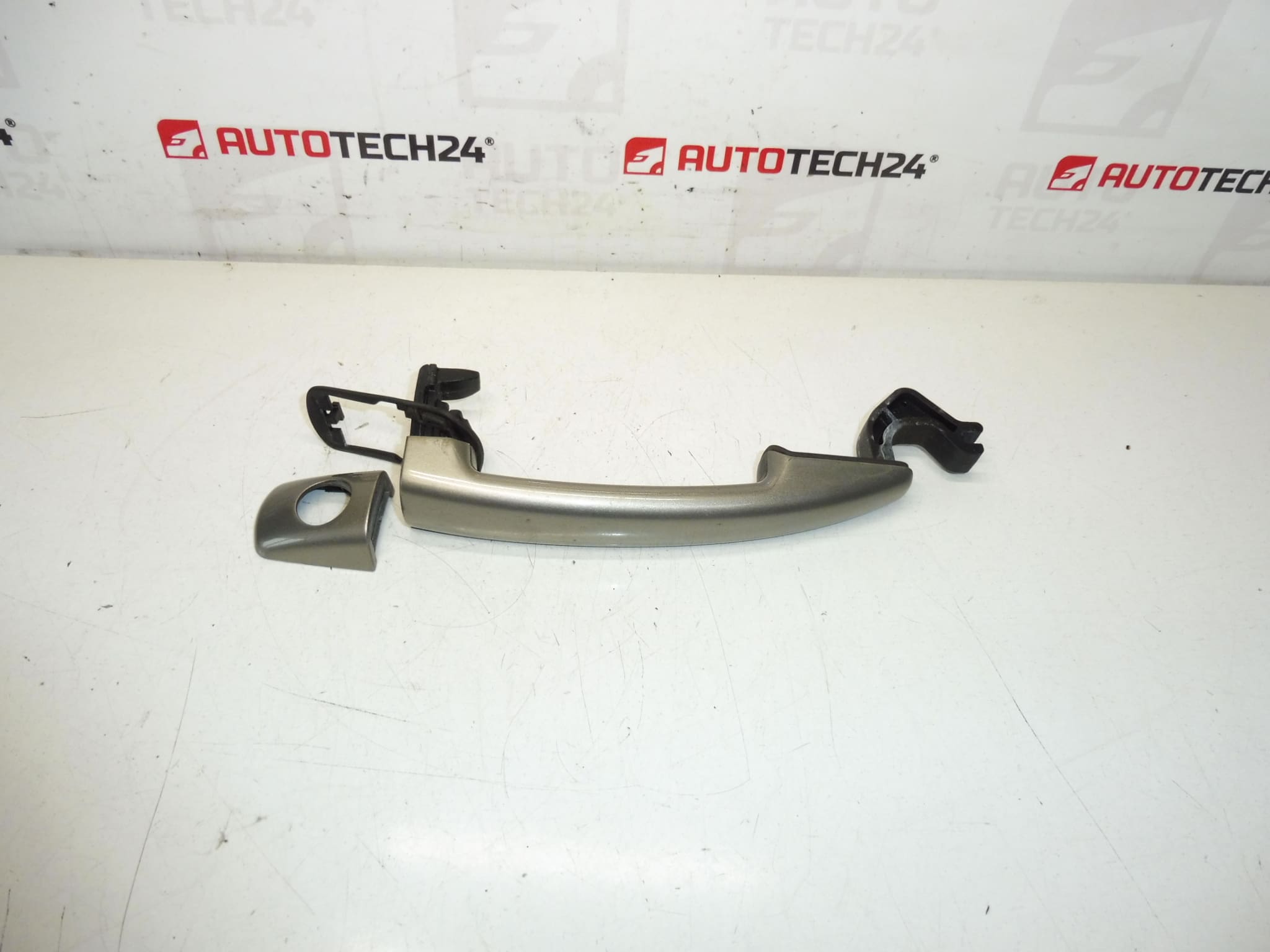
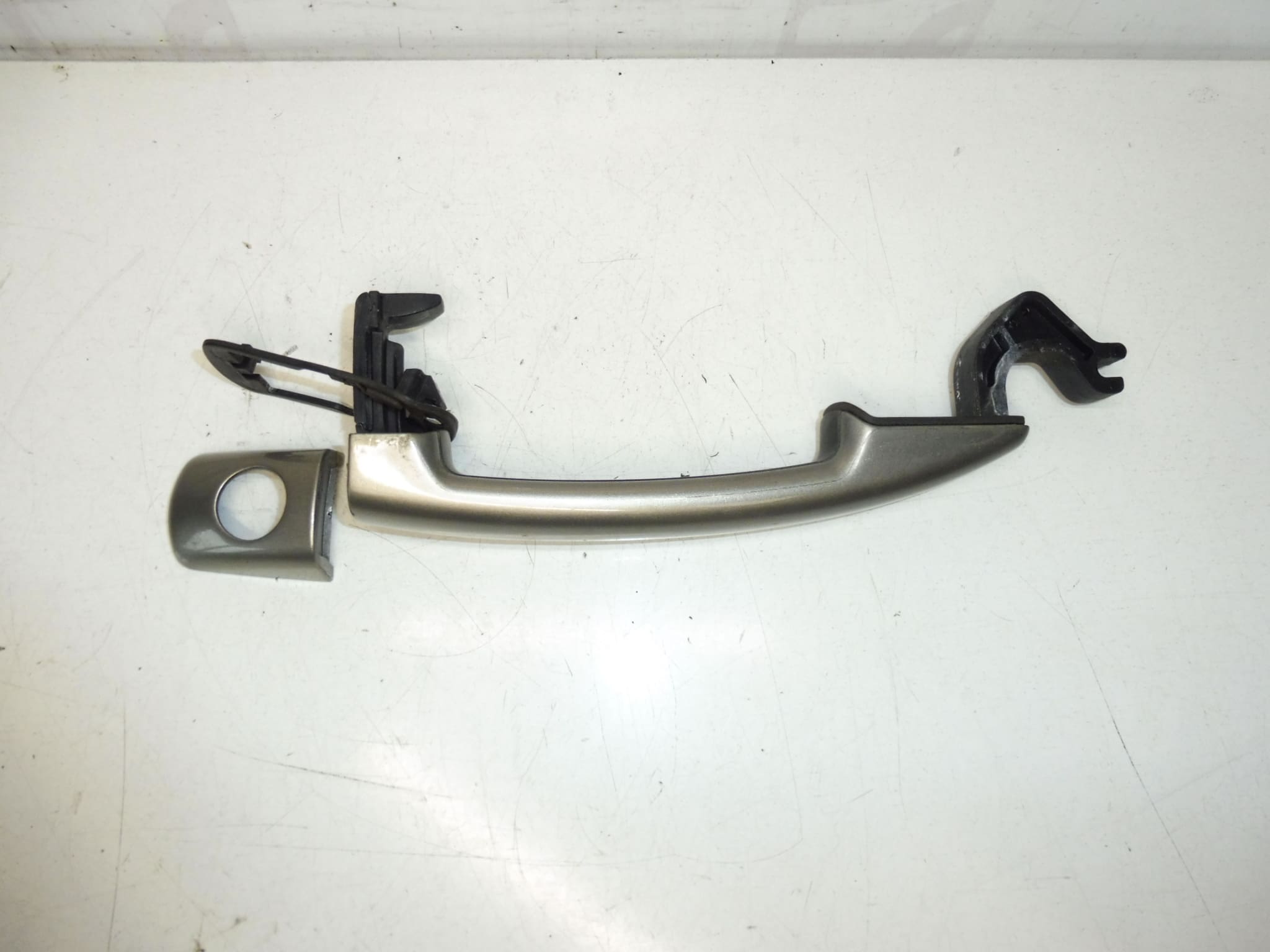
Left front door handle for CITROËN BERLINGO III, C4 II, C4 PICASSO and GRAND C4 PICASSO, JUMPY III and PEUGEOT 207, 308, PARTNER III, EXPERT III. Color EVG – VAPOR GREY PAINT. We have various colors in stock.
Product Overview
High-quality left front exterior door handle designed as a direct replacement for a range of Citroën and Peugeot models. This part is supplied in Vapor Grey (EVG) paint finish and is available in several other factory-matching colours. Ideal for professional mechanics and DIY enthusiasts who need a reliable, OEM-style fitment. Frequently searched by product code 9101GF.
Key Features
- Direct Fit: Designed to match factory mounting points for straightforward installation.
- Painted Finish: Delivered in Vapor Grey (EVG) to match original bodywork; other colours available.
- Durable Construction: Built to withstand everyday use, road conditions and weather exposure.
- Searched By Code: Commonly listed under code 9101GF for fast lookup.
Fitment / Compatible Models
Suitable for left front door applications on the following models:
- Citroën Berlingo III
- Citroën C4 II
- Citroën C4 Picasso / Grand C4 Picasso
- Citroën Jumpy III
- Peugeot 207
- Peugeot 308
- Peugeot Partner III
- Peugeot Expert III
How It Works And Typical Failure Modes
The exterior door handle provides the mechanical interface for opening the front left door. It transfers the manual pull force through linkages or cables to the internal latch mechanism. Common reasons for replacement include:
- Broken Plastic Components Or Clips: Repeated use or force can snap mounting tabs or internal plastic parts.
- Worn Or Detached Linkages: Cables or linkage connections can wear, stretch or detach, preventing proper latch actuation.
- Impact Damage: Minor collisions, door strikes or vandalism can crack or deform the handle.
- Corrosion And Weathering: Salt, moisture and UV exposure can degrade surfaces and moving parts over time.
Replacement Frequency
Replacement intervals vary with usage and environment. In normal conditions handles may last many years, but frequent use, harsh climates or impact damage can require replacement sooner. If the handle shows excessive play, cracks, or fails to operate the latch reliably, replacement is recommended.
Installation Recommendations
Recommended steps for replacement (general guide):
- Open the door and remove the interior door card to access the handle mounting area. Keep fasteners and clips organized.
- Disconnect any electrical connectors if the handle includes sensors or integrated switches (ensure vehicle electrical system is inactive while working on connectors).
- Detach the mechanical linkage or cable from the handle—note orientation for reinstallation.
- Unscrew or release the retaining fasteners and remove the old handle from the exterior.
- Fit the new handle, secure with original fasteners, reconnect linkage/cables and electrical connectors, then test operation before reassembling the door card.
- Final Check: Ensure smooth operation of latch and lock, check paint finish alignment and that the handle sits flush to the door skin.
Technical Information
- Manufacturer: Stellantis / Citroën / Peugeot
- Model: Berlingo III; C4 II; C4 Picasso; Grand C4 Picasso; Jumpy III; 207; 308; Partner III; Expert III
- Product Codes: 9101GF
- Other Numbers: EVG (Vapor Grey Paint), EVGC (variant)
Installation Advice
For best results, use appropriate trim tools to avoid damaging door panels and clips. Work on a stable surface and keep small parts in a container to avoid loss. If the door has powered locks or sensors, ensure all electrical connectors are properly reattached and tested. Follow manufacturer torque settings for any fasteners where applicable.
Why This Part Fails Most Often
Door handles are subject to daily mechanical stress, environmental exposure and occasional impact. The most common causes of failure are broken mounting tabs or internal plastic parts due to wear or force, detached or stretched linkages, and damage from impacts or corrosion. Replacing the handle at the first sign of malfunction prevents further damage to the door latch or locking mechanism.