Description
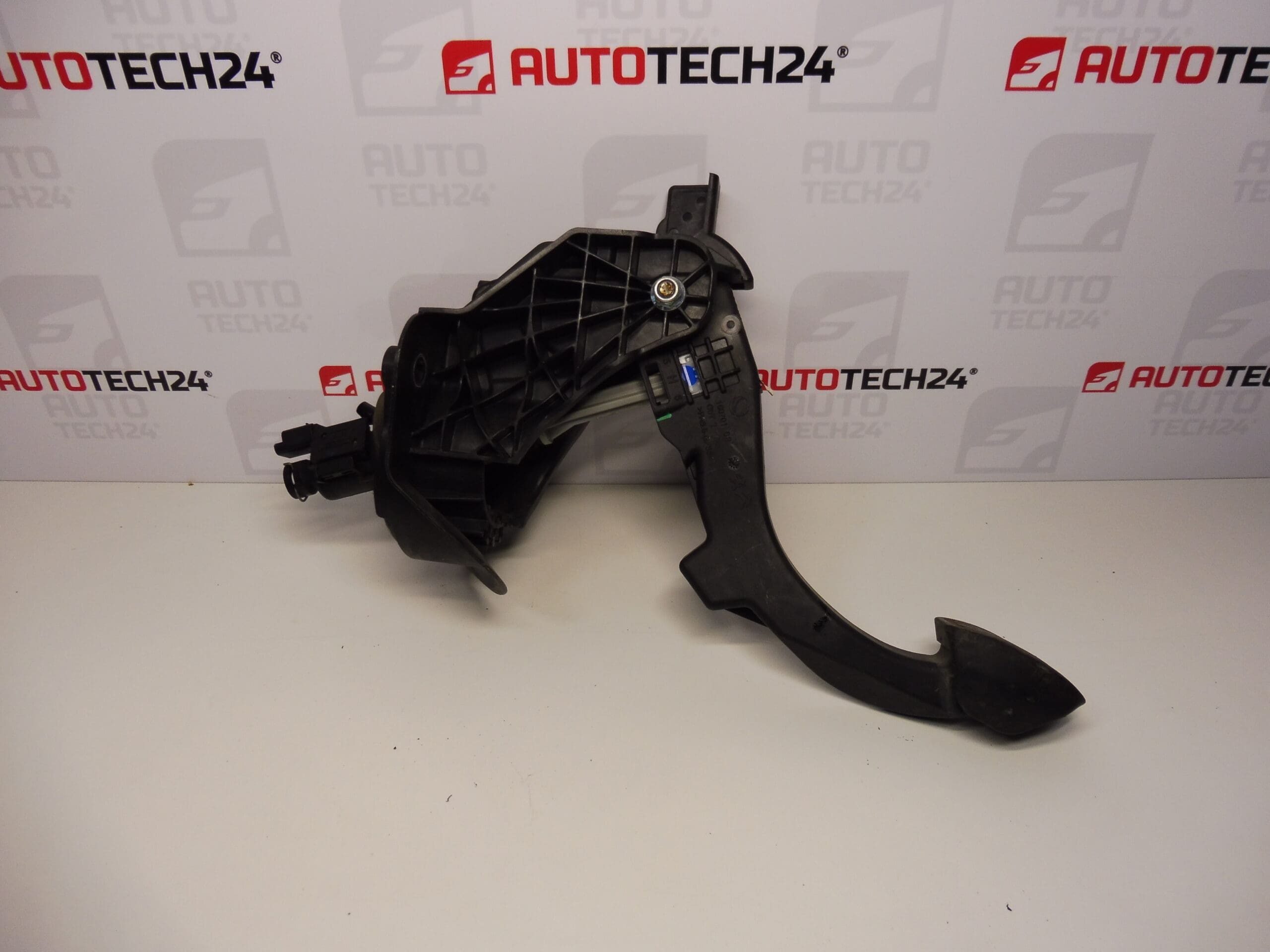
Complete clutch pedal for various CITROËN, PEUGEOT and other Stellantis models
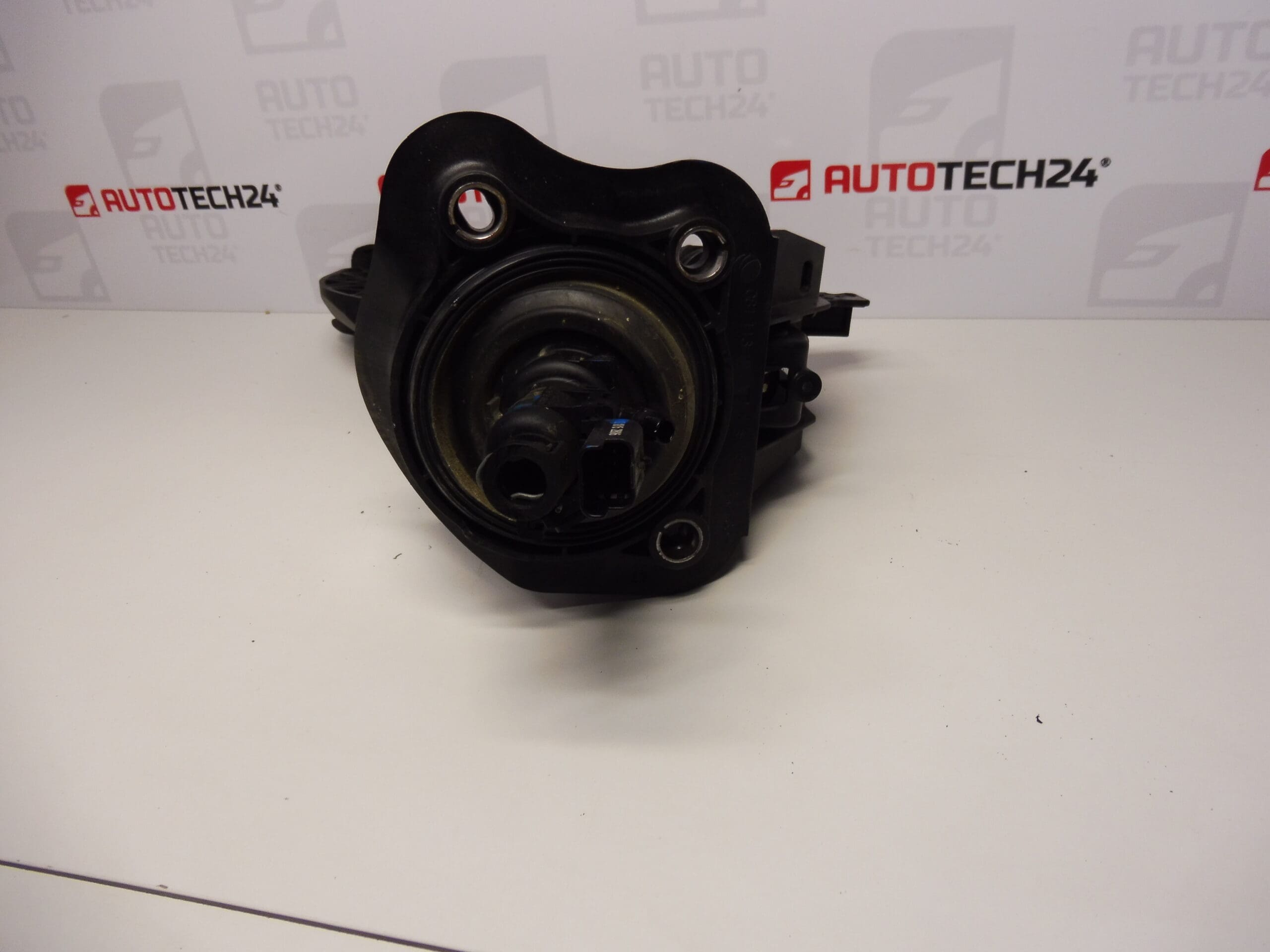
Including clutch master cylinder
From a vehicle with 84,000 km mileage
Part description
The used clutch pedal mechanism including clutch master cylinder is intended to replace a damaged or worn assembly. The pedal transfers the driver’s foot movement to the master cylinder, which generates the hydraulic pressure required to operate the clutch. The condition of the mechanism therefore affects how smoothly the pedal is pressed, its return, and correct clutch disengagement.
The advantage of the part offered is the complete pedal assembly with master cylinder and the stated donor vehicle mileage of 84,000 km. When selecting a part, refer primarily to product numbers 9820886180, 9823113380 and 9830021680 and compare its design with the original part. The model name alone is not sufficient to determine whether the design matches.
Technical information
- Manufacturer: not specified.
- Model: Citroën Berlingo K9 | FIAT DOBLO III | OPEL COMBO E K9 | PEUGEOT RIFTER | Toyota ProAce City.
- Part type: clutch pedal mechanism with clutch master cylinder.
- Assembly contents according to the documentation: complete clutch pedal including master cylinder.
- Condition: used automotive part.
- Donor vehicle mileage: 84,000 km.
- Other numbers: not specified.
The models are listed according to the supplied labels. Specific model years, engine types and design variants are not specified in the documentation.
Product codes
- Product codes: 9820886180, 9823113380, 9830021680.
The numbers are used to identify the assembly offered. Compare them with the markings on the original part and the service documentation; the documentation does not specify replacement relationships or whether the individual numbers are interchangeable.
Installation recommendations
The following procedure is a general guide to replacing a clutch pedal with a hydraulic master cylinder. The exact steps, access method and bleeding procedure depend on the specific model and vehicle design. Follow the manufacturer’s service procedure.
1) Before installation
- Compare the markings, assembly shape, mounting points, hydraulic line connection and pedal-to-master-cylinder linkage with the old part.
- If electrical connectors or sensors are present, also compare their design and mounting.
- Check for cracks, deformation, corrosion, the condition of pins and bushings, excessive play and visible signs of fluid leakage.
- Verify the cause of the original fault. Difficulty shifting gears or a pedal that does not return may not be caused by this assembly alone.
2) Tools and materials required
- Standard hand tools suitable for the fasteners used and a torque wrench for tightening according to service specifications.
- Suitable tools for disconnecting hydraulic connections and bleeding the system, depending on its design.
- Clean plugs, a collection container, lint-free cloths, protective gloves and safety glasses.
- Fluid specified by the vehicle manufacturer and any sealing or locking components, if the service procedure requires their replacement.
3) Step-by-step installation procedure
- Secure the vehicle against movement, switch off the ignition and prepare a clean work area. If the procedure requires disconnecting the battery, follow the manufacturer’s instructions.
- Gain access to the assembly by removing the necessary covers as described in the service documentation. Protect surrounding surfaces from hydraulic fluid.
- Document the routing of hoses, the positions of mounts and clips, and any connectors so that the original arrangement can be restored.
- Clean the area around the hydraulic connections. Disconnect the lines using the specified method, catch any fluid that escapes and protect the open ends with clean plugs.
- Disconnect any electrical connections and release the assembly’s connecting and locking components. Support the part during removal and do not use force.
- Remove the original mechanism and check the condition of the mating surfaces, mounts and surrounding lines. Eliminate any causes that could also damage the replacement part.
- Compare the two assemblies again. Position the replacement mechanism without applying stress and secure it in the order and manner specified by the vehicle manufacturer.
- Connect the hydraulic line and any connectors. Check that the connections and clips are seated correctly; the line must not be kinked, under tension or in contact with moving parts.
- Top up with the specified fluid and bleed the clutch control system according to the service procedure. Prevent air from re-entering the system during the work.
- Check for leaks and ensure the pedal moves freely. Once correct operation has been confirmed, refit the removed covers and check that nothing restricts pedal travel.
4) Post-installation checks and function verification
With the vehicle stationary and secured, check that the pedal operates smoothly and returns correctly, that the assembly is securely mounted and that the hydraulic connections are leak-free. Then safely test clutch disengagement and gear shifting. If fluid is leaking, the pedal sinks or sticks, or the clutch does not disengage fully, do not carry out a test drive. If the checks are satisfactory, take a short test drive in safe conditions and then recheck for leaks and verify the fluid level.
5) Common installation mistakes and how to prevent them
- Confusing similar-looking assemblies: compare the numbers, mounts and connections before installation.
- Contaminating the hydraulic circuit: work cleanly and immediately cover any open lines.
- Damaging connections or clips: do not force them off and check that they are fully secured.
- Insufficient bleeding: follow the procedure for the vehicle and check clutch operation before driving.
- Installing under stress: the assembly and lines must be correctly positioned, without deformation or anything restricting pedal movement.
Reasons why the part can be damaged
The following are general causes of wear or damage that may occur with this type of assembly; they do not describe any defects found in the part offered:
- Wear of pins and bushings through repeated use, which can lead to play, noise or irregular operation.
- Aging of the master cylinder seals, which can result in fluid leakage or loss of effectiveness in the hydraulic control system.
- Contamination or unsuitable fluid, which can damage the seals and internal hydraulic components.
- Excessive strain on the mechanism due to a fault in other clutch control components or forceful operation of the pedal.
- Incorrect installation and mechanical damage, particularly a deformed mount, damaged connections or incorrectly routed hoses.