Description
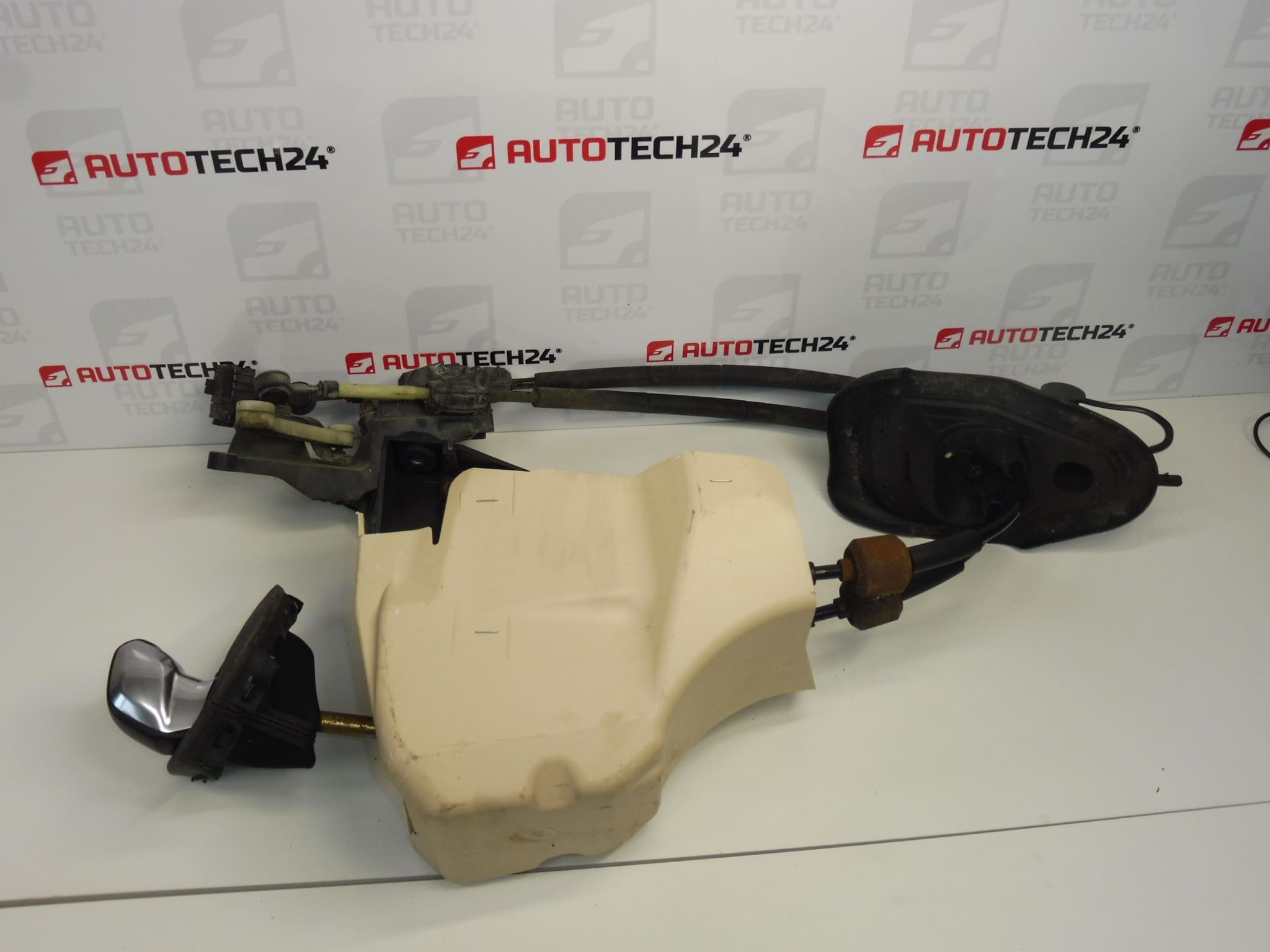
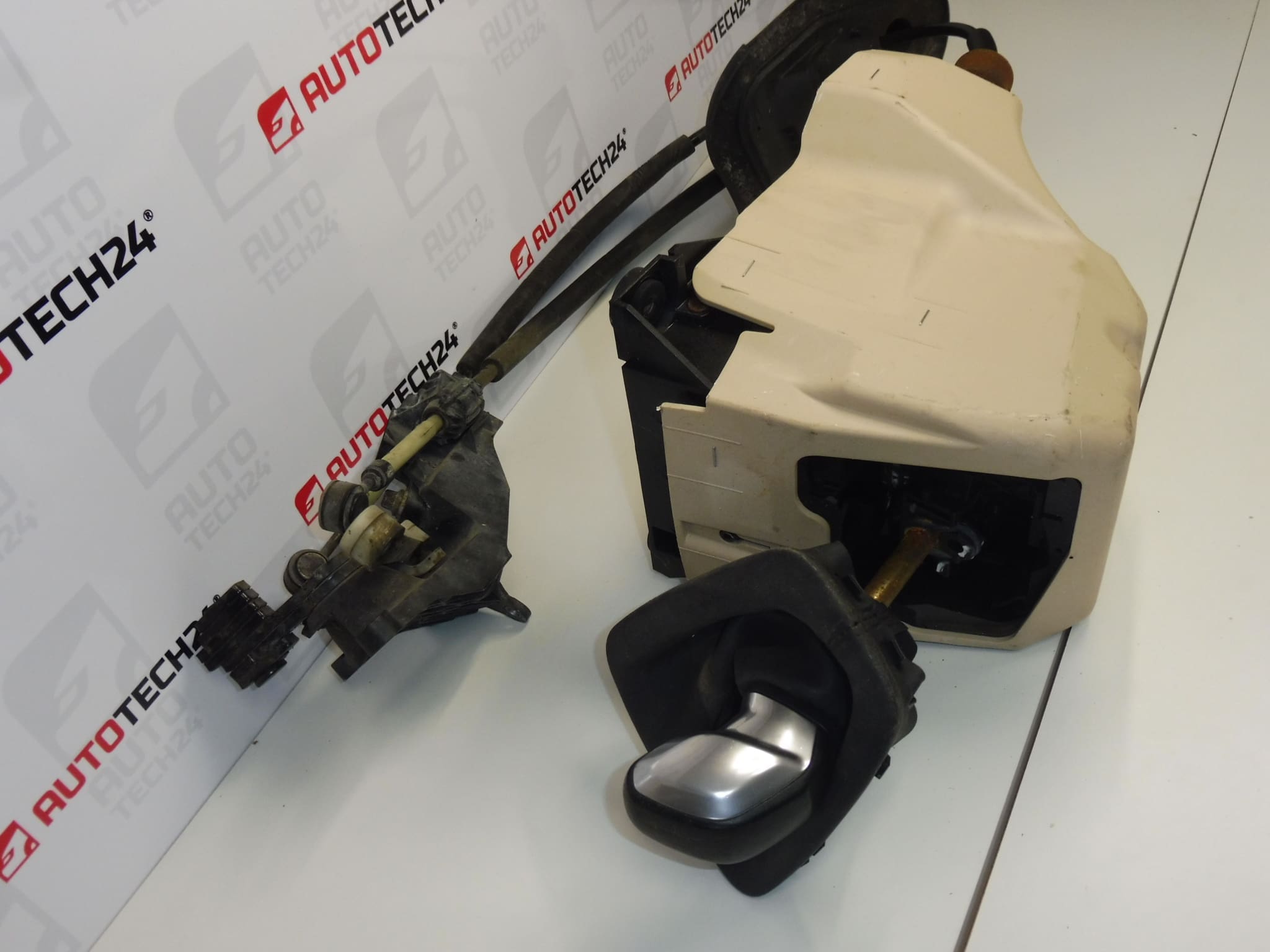
Gear shift lever, gear selector assembly with cables, gearbox selector for various CITROËN, PEUGEOT and other Stellantis models
From a vehicle with 84 thousand km
With gear shift knob
Part description
Gear selector assembly with cables 9814652680 transfers the movement of the gear shift lever to the gear selection mechanism. The used part offered also includes the gear shift knob and comes from a vehicle with the stated mileage of 84,000 km. This assembly is a practical choice when repairing the gear shift controls, if diagnostics confirm a fault in the selector assembly or cables.
The documentation lists the Citroën Berlingo K9, PEUGEOT RIFTER, FIAT DOBLO III, OPEL COMBO E K9 and Toyota ProAce City models. When selecting a part, it is important to compare in particular the product number 9814652680, the mounting design and the cable ends with the original part. A matching model name alone does not guarantee the same gear shift design.
Technical information
- Manufacturer: not specified; the documentation lists the designation Stellantis CITROEN PEUGEOT.
- Model: Citroën Berlingo K9; FIAT DOBLO III; OPEL COMBO E K9; PEUGEOT RIFTER; Toyota ProAce City.
- Part type: gear shift lever, gear selector assembly with cables, gearbox selector.
- Assembly component: gear shift knob.
- Condition: used part.
- Donor vehicle mileage: 84,000 km.
- Other numbers: not specified.
Product codes
- Product codes: 9814652680.
Compare the number with the marking on the original part and also check the design of the assembly.
Installation recommendations
The following procedure is general for a gear selector assembly with cables. Access to the part, the method for releasing the ends and any adjustment depend on the specific model and gearbox design. Follow the vehicle’s service documentation for the exact procedure.
1) Before installation
- Compare the product number, shape of the selector assembly, mounting points, cable routing and cable ends with the old part.
- Inspect the selector housing, bushings, ends, cable sheaths and any grommets. Look for cracks, deformation, corrosion and damaged retaining clips.
- Gently check that the mechanism and cables move freely. Do not force them past resistance or disassemble adjustment components unless you know how they work.
- Also check the gear shift mechanism on the gearbox and its mountings to ensure the cause of the problem is not outside the assembly being replaced.
2) Tools and materials required
- Standard hand tools suitable for the fasteners used, and a torque wrench for tightening according to the service documentation.
- Tools for carefully removing trim and releasing clips.
- A flashlight, cleaning cloths and supplies for marking or photographing the cable routing.
- Locking or adjustment tools, if required, only when specified by the manufacturer’s procedure.
3) Step-by-step installation procedure
- Secure the vehicle against movement, switch off the engine and ignition. If the work requires disconnecting electrical connections, disconnect the battery according to the manufacturer’s instructions.
- Following the service procedure, gain access to the selector assembly and cable connections. Release the trim and clips without force.
- Record the original cable routing, the position of the brackets and grommets, and how the cable ends are secured.
- Set the mechanism to the position specified for removal and any adjustment. If the manufacturer requires it to be locked, do so as specified.
- Release the cable ends and free their sheaths from the brackets. Do not pull on the cables themselves or pry at plastic parts with an unsuitable tool.
- Release the selector assembly fasteners and carefully remove the assembly. Do not sharply bend the cables during handling.
- Clean the mating surfaces and inspect the brackets, passages and retaining clips. Repair any damaged mounting points before installing the part.
- Position the replacement selector assembly and route the cables along their original path. Make sure they are not twisted, stretched or in contact with moving or hot parts.
- Secure the sheaths in the brackets, connect the cable ends and check that all retaining clips are properly seated. Tighten the fasteners according to the vehicle manufacturer’s specifications.
- If the specific design requires cable adjustment, perform it according to the service procedure. Then remove any locking tools.
- Before refitting the covers, check that the mechanism moves freely and the cables are correctly seated. Then reinstall the removed trim and other components.
4) Post-installation checks and test drive/function check
First, with the engine switched off, check the lever movement and selection of each position without using excessive force. Then, with the vehicle safely secured, check that the gears can be selected during normal operation of the gearbox. Only carry out a short test drive after the static check has been passed. Check for accurate gear selection, unusual resistance, play and noises. If a gear cannot be selected reliably, do not continue driving; check the installation and any adjustments.
5) Most common installation errors + how to avoid them
- Choosing the wrong design: before installation, compare the part number, mountings and cable ends.
- Incorrect cable routing: use the record of the original routing and avoid sharp bends or tension.
- Retaining clips and cable ends not fully engaged: gently check each connection after fitting.
- Adjusting by guesswork: use the procedure specified for the specific gearbox, rather than relying only on how the lever feels.
- Forcibly disconnecting plastic parts: first determine how to release them; pulling or prying can damage a serviceable cable end.
Reasons why the part gets damaged
Gear selector assemblies and cables generally develop faults due mainly to mechanical wear and increased resistance in the control mechanism. The following causes are not a description of any faults identified in the part offered:
- Wear of joints and bushings caused by repeated gear changes, which can result in increased play and less precise operation.
- Ingress of moisture and dirt through damaged protective components, followed by corrosion and restricted cable movement.
- Damage to the sheath or kinking of a cable due to incorrect routing or careless handling.
- Excessive force when shifting, especially if another part of the gear shift or gearbox mechanism is causing increased resistance.
- Incorrect adjustment and loose mountings, which can place excessive strain on the cable ends, brackets and selector assembly itself.