Description
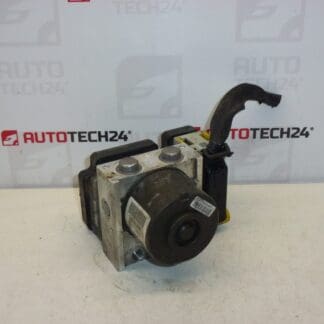
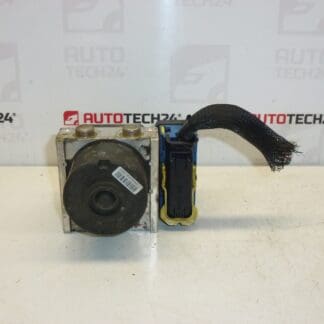
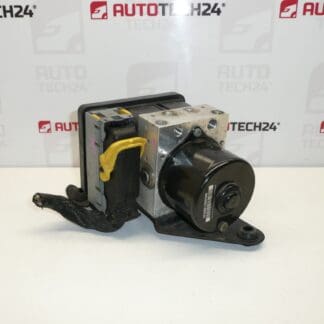
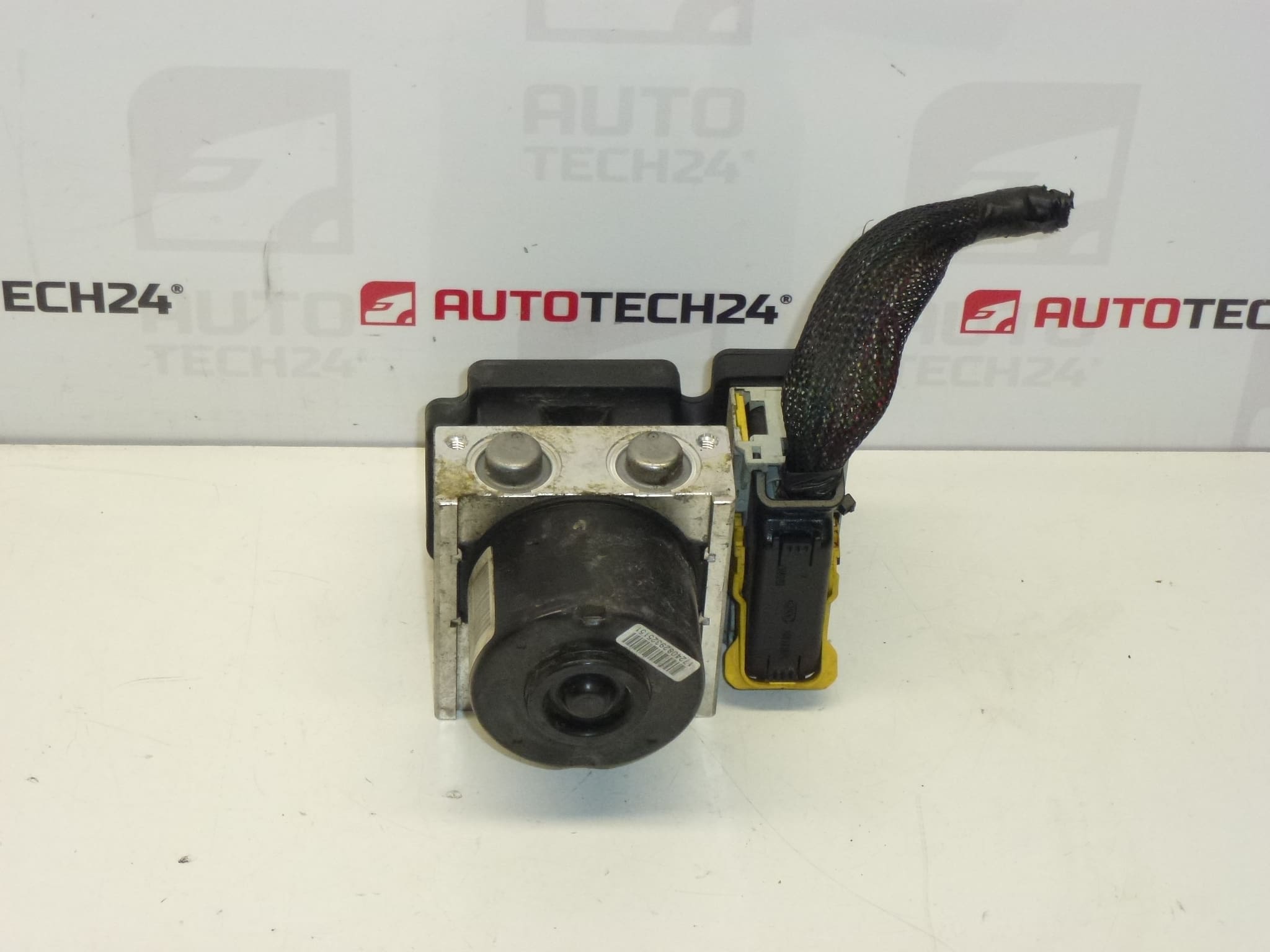
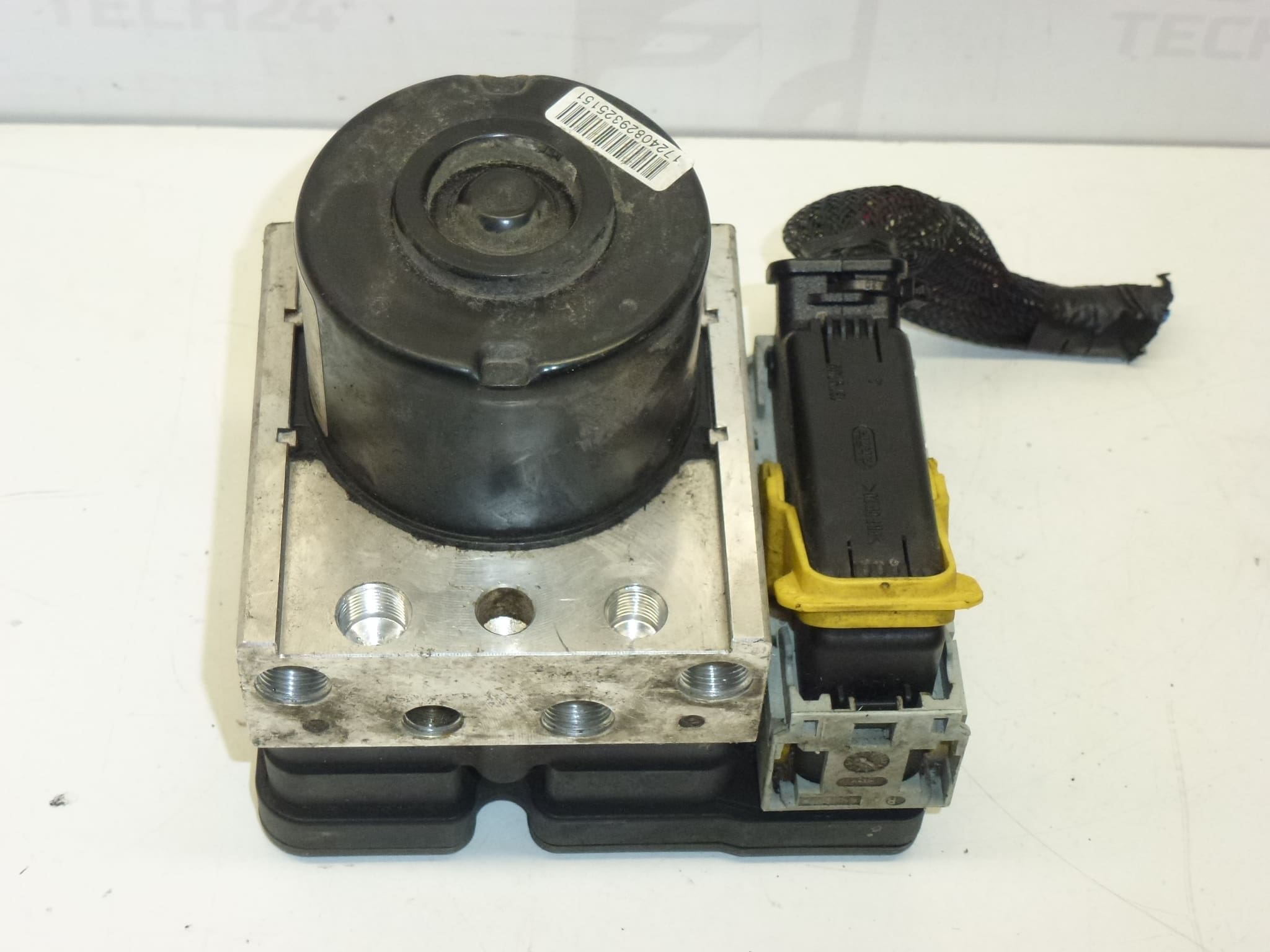
Hydraulic ATE ABS Brake Control Block Supplied With A Section Of Wiring
This ABS hydraulic control block is designed for Peugeot 206 applications and compatible Stellantis models carrying the same part numbers. The unit controls hydraulic modulation of the braking system during ABS events and integrates the pump and valve block (hydraulic modulator) with the electronic control to ensure stable deceleration and wheel-slip prevention. Ideal for professional workshops and experienced DIY mechanics who service braking systems on Citroën/Peugeot vehicles.
Function And Typical Symptoms
The ABS hydraulic control block regulates brake pressure at each wheel via solenoid valves and an electric pump under commands from the ABS electronic control. Common symptoms indicating a faulty module include steady or flashing ABS warning light on the dashboard, reduced braking stability during emergency braking, audible pump motor operation after ignition, or brake pressure loss/leakage at the unit. Note that ABS faults can also be triggered by wheel speed sensors or wiring issues; a targeted diagnosis is recommended.
Compatibility And Fitment
Main Fitment: Peugeot 206. Also referenced by Stellantis/Citroën/Peugeot original numbers listed below. Check vehicle part numbers to confirm match before installation.
Technical Information
- Manufacturer: ATE / Stellantis (Citroën/Peugeot)
- Model: Peugeot 206
- Product Codes: 9659136980, 10.0970-1128.3, 10.0207-0068.4
- Other Numbers: 9652342980, 10.0970-1114.3, 10.0207-0036.4, 4541V5, 4541V6, 4541RW, 1682608780
Installation Recommendations
- Work Should Be Performed By A Qualified Technician Or An Experienced Mechanic Familiar With Brake Systems.
- Always Follow Manufacturer Service Procedures. Before Starting, Isolate The Electrical System Where Appropriate And Take Safety Precautions.
- Locate The ABS Hydraulic Unit (Typically Near The Brake Master Cylinder In The Engine Bay), Disconnect The Electrical Connector And Carefully Remove The Brake Lines From The Unit Using Proper Tools To Prevent Damage.
- Cap Brake Lines To Prevent Contamination And Minimize Fluid Loss. Unbolt The Unit And Replace With The Correct Part. Replace Any Sealing Washers Or Crush Rings As Required.
- After Mechanical Fitment, Refill And Correctly Bleed The Brake System To Remove All Air. Use A Proper Brake Bleeding Procedure (Ideally A Pressure Or Vacuum Bleeder) And The Correct Brake Fluid Specified By The Manufacturer.
- Use A Diagnostic Tool To Clear ABS Fault Codes And Run Any Required Self-Tests Or Adaptations. If Codes Persist, Inspect Wiring And Wheel Speed Sensors.
- Check For Hydraulic Leaks And Secure All Fasteners To Manufacturer Torque Specifications.
Why This Part Most Commonly Fails
- Corrosion And Moisture Ingress Causing Electrical Or Hydraulic Failure.
- Wear Or Contamination In The Valve Block Leading To Leaks Or Improper Modulation.
- Pump Motor Wear Or Electrical Faults In The Module Electronics.
- Damaged Or Corroded Connectors And Wiring Harnesses Causing Intermittent Signals.
- Contaminated Or Old Brake Fluid Accelerating Internal Component Degradation.
Additional Notes
The Unit Is Supplied With A Section Of Wiring As Indicated. After Replacement, Perform Full System Checks And Road Test To Confirm Correct ABS Operation And Brake Performance.