Description
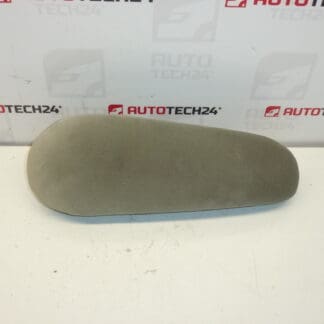
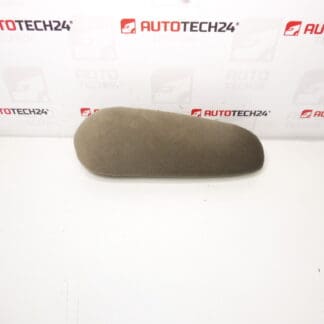
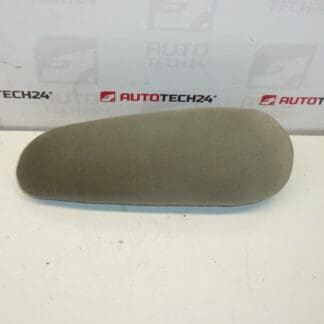
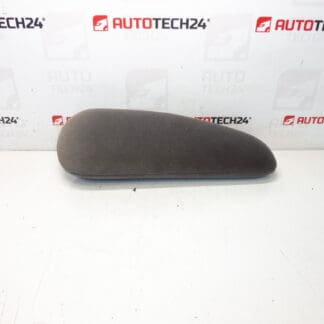
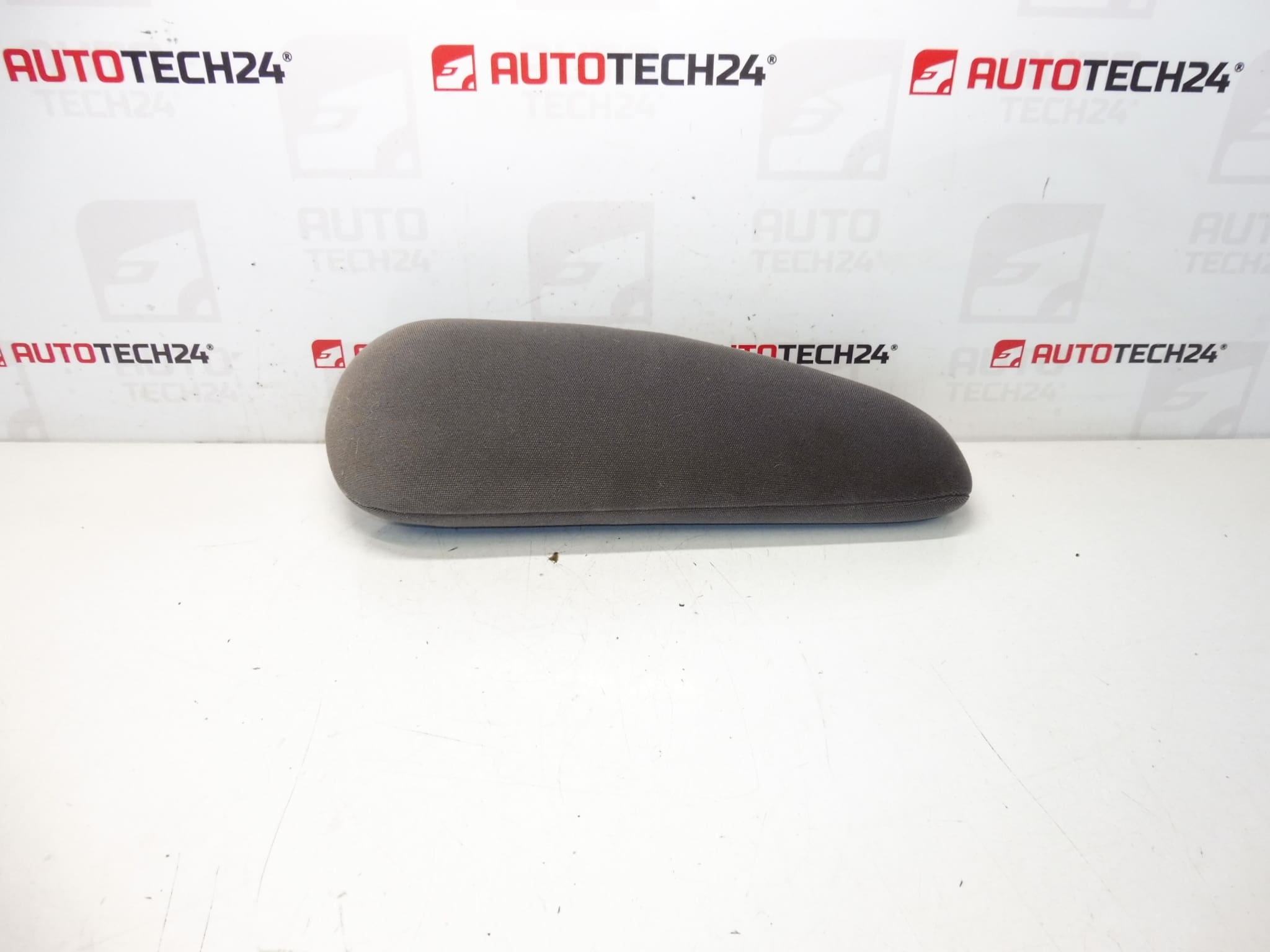
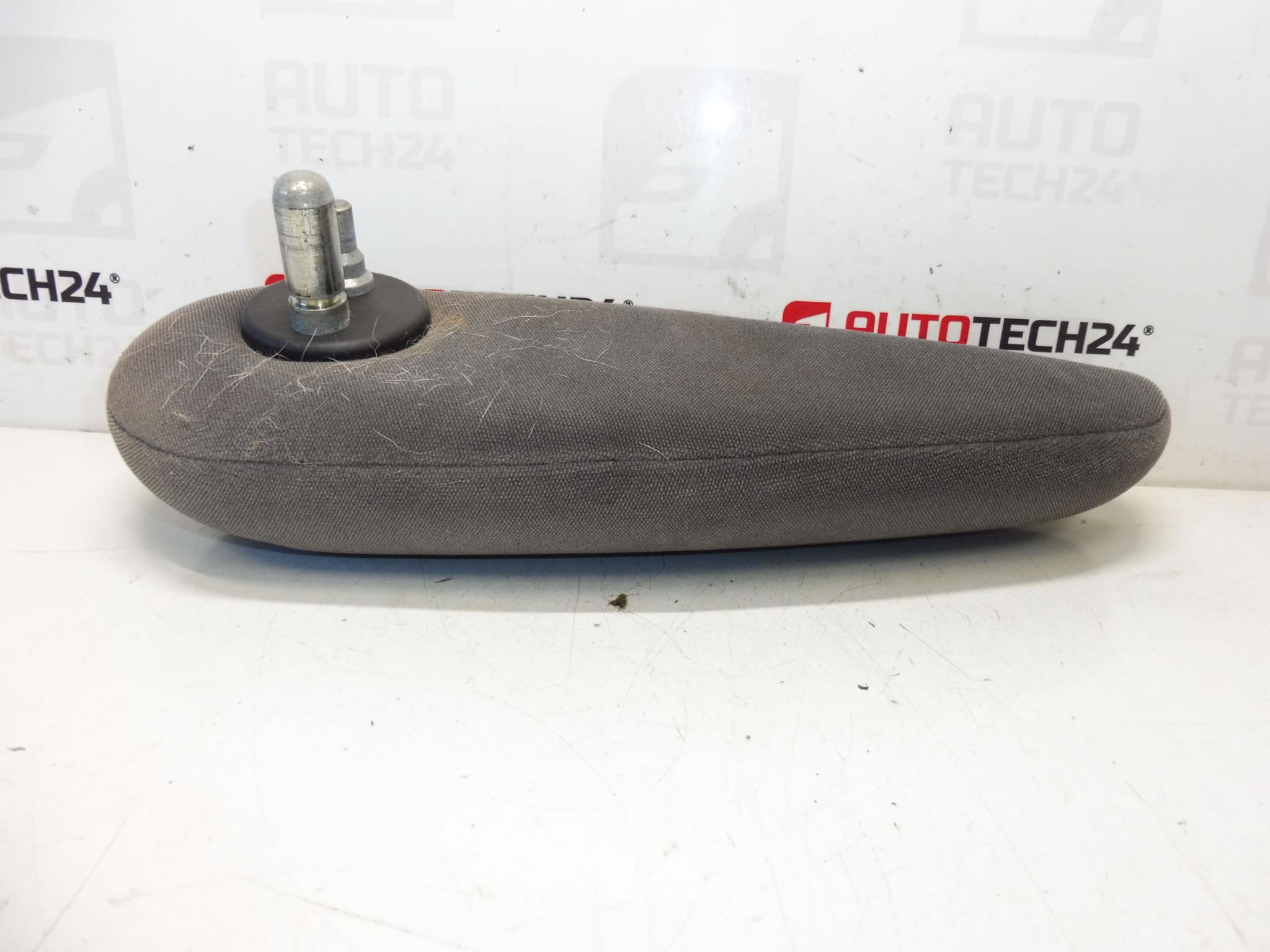
Passenger armrest for the right seat for Citroën and Peugeot models. Fully functional and undamaged; may be slightly soiled.
Product Overview
This right‑side passenger armrest (front seat) is an OEM‑style component suitable for a range of Citroën and Peugeot models. It delivers ergonomic support for the front passenger, folds away when not in use and restores interior comfort and appearance. Ideal for professional workshops and DIY mechanics looking for a direct replacement part using product code 883008. Common search terms: Citroën passenger armrest, Peugeot passenger armrest, armrest right seat 883008, Berlingo armrest, Partner armrest, Xsara Picasso armrest, 307 armrest.
Technical Information
- Manufacturer: Stellantis (Citroën / Peugeot)
- Model: Citroën Berlingo II / Berlingo III; Citroën C3; Citroën Xsara Picasso; Peugeot 307; Peugeot Partner II / Partner III
- Product Codes: 883008
- Other Numbers: –
Recommended Installation
General replacement steps for experienced technicians and competent DIYers:
- Tools Needed: Torx/Screwdriver set, trim removal tools, ratchet and socket set, torque wrench.
- Procedure: Remove the seat side trim or cover to access the armrest bracket. Unscrew the fixing bolts and carefully detach the armrest from its pivot. Transfer any required clips or spacer parts to the replacement unit if compatible. Fit the new armrest, secure bolts to manufacturer torque where specified, and reassemble trim.
- Checks After Fitting: Verify smooth pivot movement and secure fastening. Inspect surrounding upholstery and trim for correct fitment and alignment.
- Notes: Mounting hardware may vary between model years; inspect original fasteners and replace worn clips or bolts as needed.
Why This Part Typically Fails
Passenger armrests commonly show wear in high‑use vehicles. Typical failure modes include:
- Worn or torn upholstery from repeated contact and abrasion.
- Broken plastic pivot, clamps or clips due to material fatigue or impact.
- Foam compression or collapse causing loss of comfort.
- Contamination from spills and dirt leading to staining or accelerated degradation.
- Misalignment or loose fixings from improper installation or excessive loading.
Replacing the armrest restores passenger comfort and prevents progressive damage to seat trim and internal brackets. Part 883008 is a practical direct replacement for the listed Citroën and Peugeot models and is recommended when the armrest is damaged, worn or unstable.