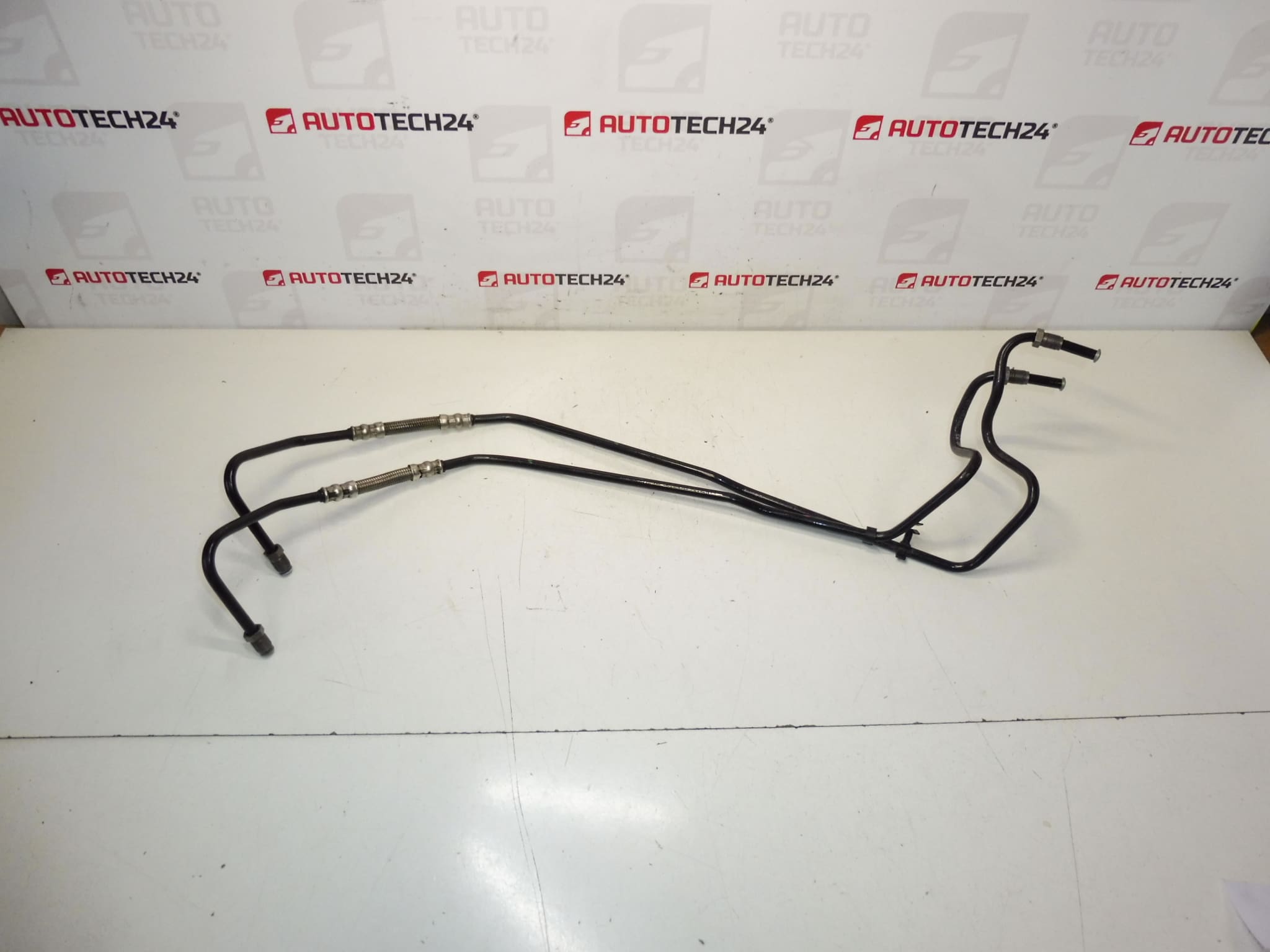
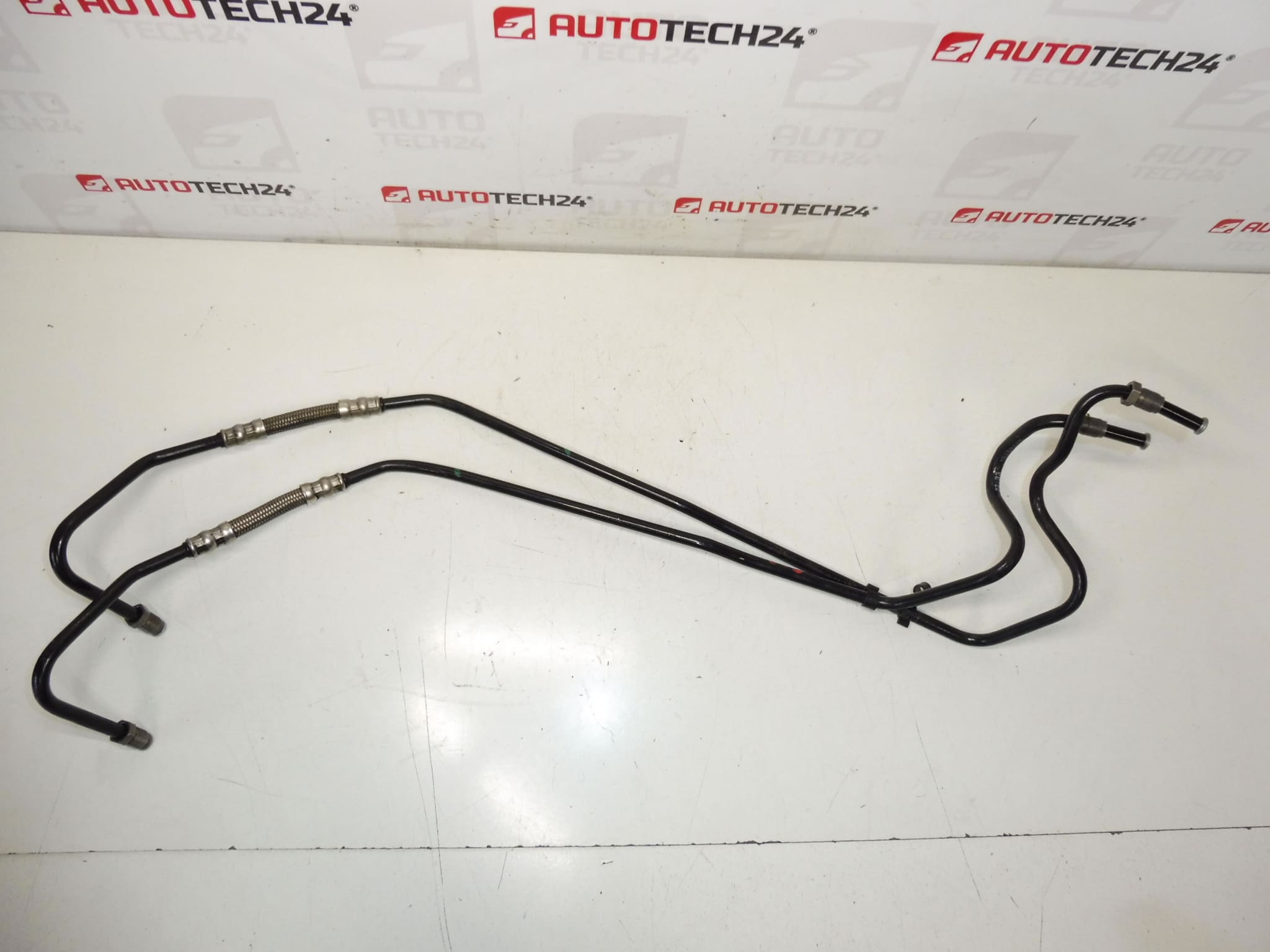
Description
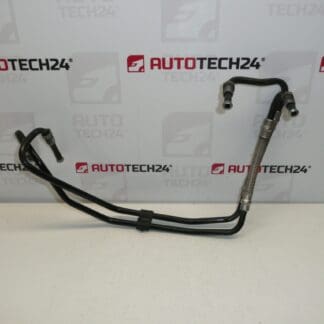
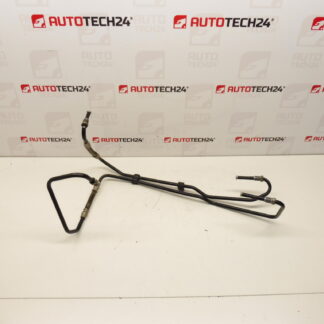
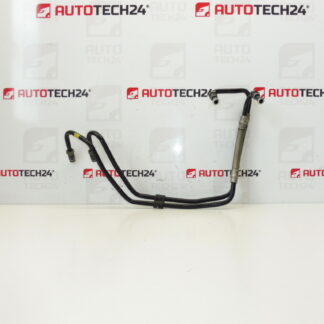
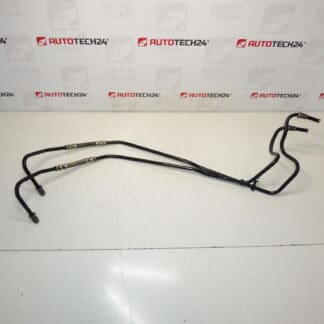
Brake Pipe For ABS/ESP Module For Citroën C4 II And Peugeot 308 T7
Product Description
This brake pipe is designed to connect the ABS/ESP hydraulic module on Citroën C4 II and Peugeot 308 T7 models. Supplied under product codes 4888L4 and 4888L5, the part forms a critical section of the vehicle’s hydraulic braking circuit, routing brake fluid between the master cylinder, ABS/ESP module and wheel circuits. It is suitable for professional workshops and experienced DIY mechanics who perform brake system repairs or ABS unit replacements.
Benefits And Application
- Direct Fit For Citroën And Peugeot Vehicles: Engineered to match OE routing and fittings for Citroën C4 II and Peugeot 308 T7.
- Restores Proper Hydraulic Flow: Ensures reliable fluid transfer to and from the ABS/ESP module for correct anti-lock and stability control operation.
- Part Numbers For Easy Search: Commonly referenced by codes 4888L4 and 4888L5, increasing findability in parts catalogs and online searches.
Technical Information
- Manufacturer: Stellantis
- Model: Citroën C4 II; Peugeot 308 T7
- Product Codes: 4888L4, 4888L5
- Additional Numbers: No further numbers provided
Why The Part Fails
Brake pipes are exposed to road debris, salt and moisture, which commonly leads to external corrosion over years of service. Corrosion can cause pitting and ultimately leaking at the pipe body or fittings. Mechanical damage from impact, incorrect routing or poor previous repairs can also deform or crack the pipe. Internal blockages or contamination are less common but can occur if foreign material enters the system during maintenance.
Installation Recommendations
- Preparation: Lift and safely support the vehicle. Clean the surrounding area to avoid contamination when opening the hydraulic circuit.
- Tools: Use flare-nut wrenches or proper line wrenches to avoid rounding fittings. Have a torque wrench available to tighten fittings to manufacturer specifications.
- Replacement Steps: Remove the damaged pipe by loosening the fittings at the ABS/ESP module and the mating connection points. Install the new pipe following the original routing, ensuring no sharp bends or contact with moving parts.
- Sealing Elements: Replace any crush olives, sealing washers or fittings as required by the connection design. Do not reuse damaged sealing components.
- Bleeding: After installation, bleed the brake system thoroughly to remove air and restore firm pedal feel. Use the manufacturer-specified brake fluid (commonly DOT4) and follow the correct bleeding sequence for the vehicle.
- Final Checks: Inspect for leaks at all connections, verify correct routing and secure clips, then perform a careful road test at low speed to confirm braking performance.
Service Life And Maintenance Tips
Brake pipes are typically long-life items but will eventually succumb to corrosion or mechanical damage. Regular visual inspections during service, especially in regions with heavy road salt, help catch early corrosion. When any sign of pitting, severe rust, deformation or leakage is found, replace the pipe immediately rather than attempting temporary repairs.
Who Should Fit This Part
Recommended For Professional Mechanics And Experienced DIYers: Replacement requires correct handling of the brake hydraulic system and thorough bleeding. If you are not confident in brake system repairs, seek professional installation to ensure safety.