Description
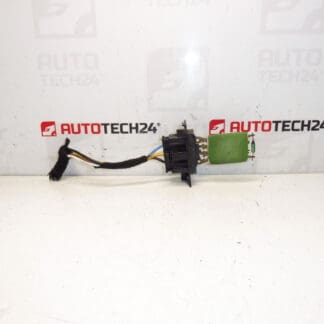
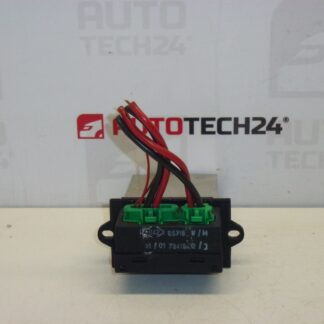
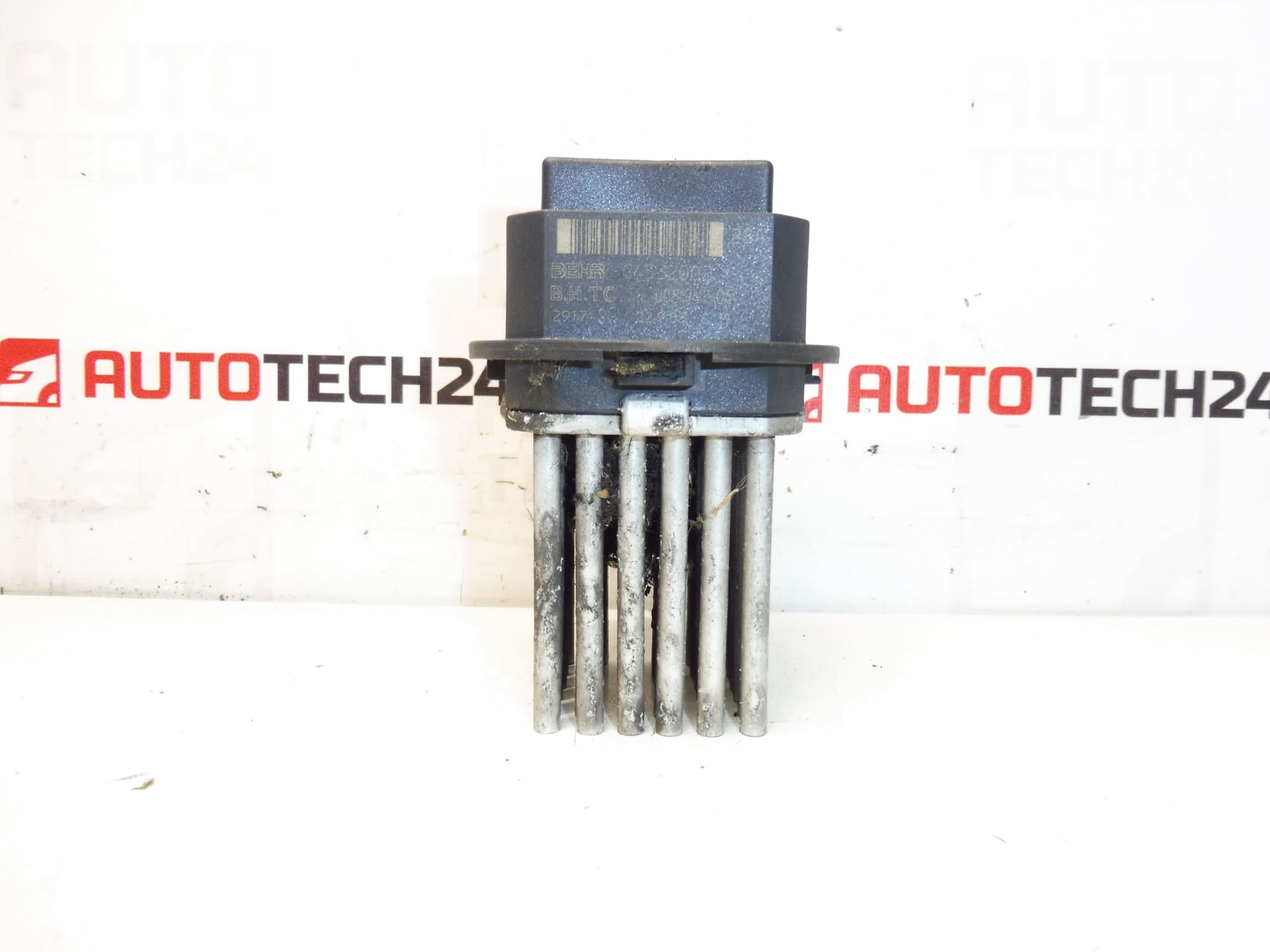
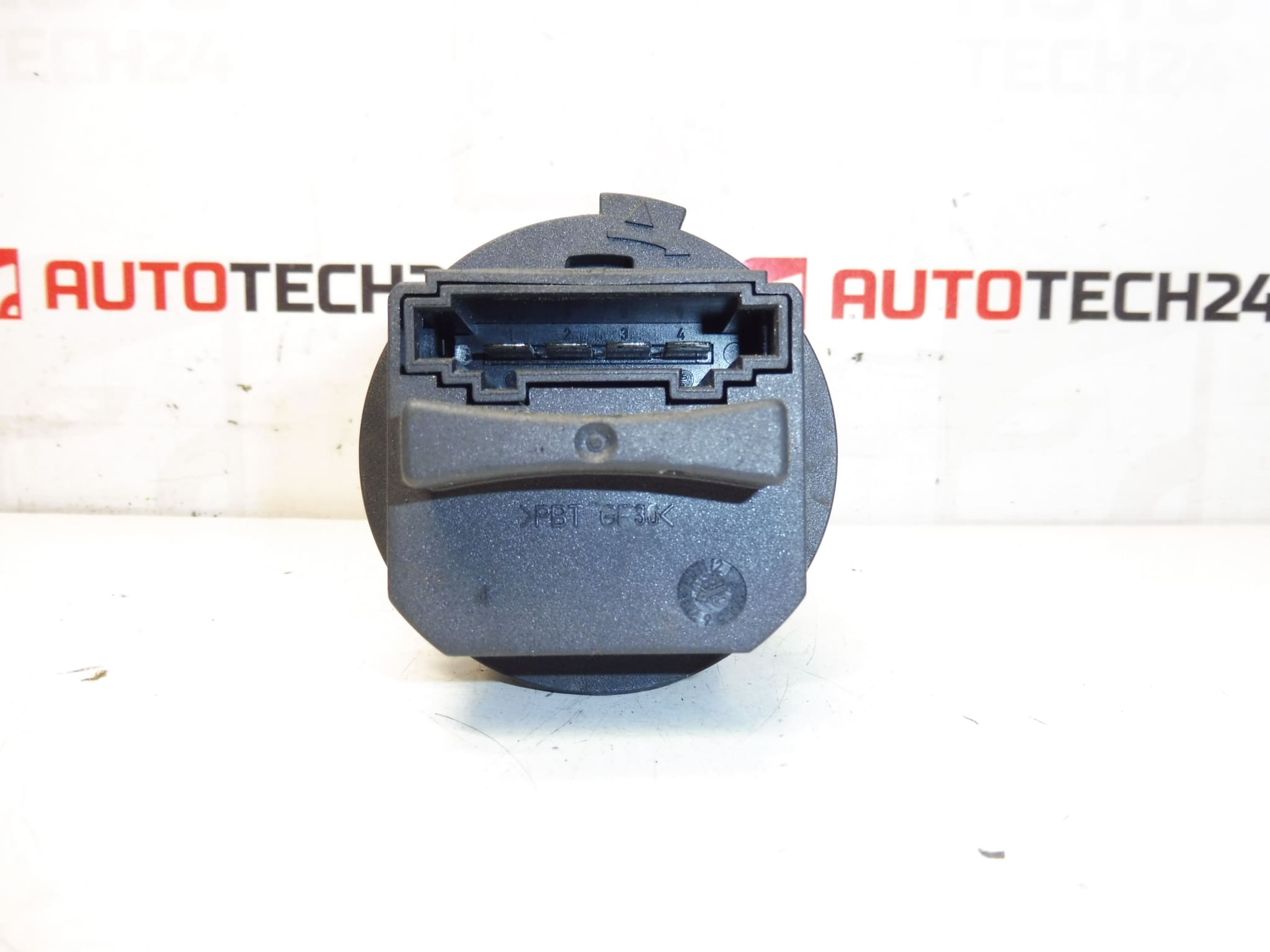
Fan Regulator For Citroën And Peugeot Vehicles. Fits Models Citroën C3 II, C4, C5 III, C6, DS3, Peugeot 407. Fully Functional, Tested.
This blower motor resistor/regulator controls the speed stages of the HVAC blower fan in various Citroën and Peugeot models. It is a direct-fit replacement commonly searched by OE and aftermarket numbers such as 6441S7, 9017094, F8840002 or 5HL 008 941-03, which makes it easy to find in parts catalogs. Designed for professional workshops and experienced DIYers alike, the unit restores proper fan speed control, eliminates single-speed or no-blower faults, and helps maintain cabin comfort and demisting performance.
Technical Information
- Manufacturer: Stellantis / Citroën / Peugeot
- Model: Citroën C3 II, Citroën C4, Citroën C5 III, Citroën C6, Citroën DS3, Peugeot 407
- Product Codes: 6441S7
- Other Numbers: 9017094, F8840002, 5HL 008 941-03
Function And Symptoms
The regulator (blower motor resistor) governs the blower motor speeds of the vehicle HVAC system. When it fails, common symptoms include blower operating on a single speed (usually high only), intermittent fan operation, complete loss of blower function, or a noticeable burning smell near the glovebox area. Failure affects cabin heating, ventilation and demisting efficiency.
Installation Recommendations
- Park Vehicle On A Level Surface And Switch Off Ignition. For Safety, Disconnect The Negative Battery Terminal Before Working On Electrical Components.
- Access The Resistor Pack—Typically Located Behind The Glovebox Or Under The Dash On The Passenger Side. Remove The Glovebox Or Trim Panels To Reach The Unit.
- Unplug The Electrical Connector And Unscrew The Mounting Fasteners. Inspect Connector Pins For Corrosion Or Heat Damage.
- Fit The Replacement Unit, Secure Fasteners, Reconnect The Connector And Reassemble Panels. Reconnect Battery And Test All Blower Speeds To Confirm Proper Operation.
- Check And Replace Cabin Air Filter If Heavily Contaminated; Restricted Airflow Is A Common Cause Of Overheating And Premature Regulator Failure.
Most Common Failure Reasons
- Overheating Due To Restricted Airflow From A Clogged Cabin Filter Or Blocked Vents.
- Corrosion Or Poor Contact At The Electrical Connector Causing Voltage Drops And Local Heating.
- Ageing And Thermal Fatigue Of Resistor Elements Or Internal Electronics.
- Water Ingress From Heater Box Or Drain Blockages Leading To Short Circuits Or Corrosion.
Typical Service Life Depends On Vehicle Use And Environmental Conditions, But Failures Are More Likely After Several Years Of Operation, Especially If Cabin Filtration And Ventilation Are Neglected. Replacing The Regulator Restores Full Fan Control And Improves HVAC Performance. The Part Is Frequently Searched By Its Codes (6441S7, 9017094, F8840002, 5HL 008 941-03), So Using Those Numbers When Ordering Will Speed Up Identification.