Description
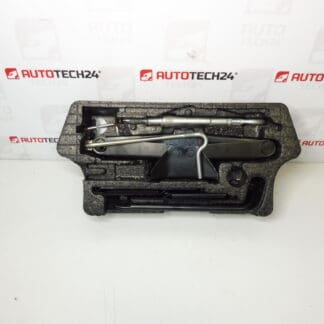
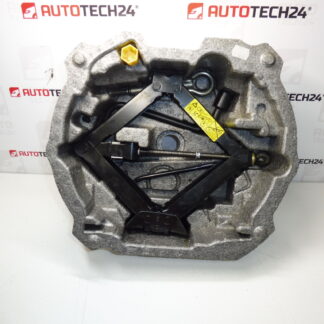
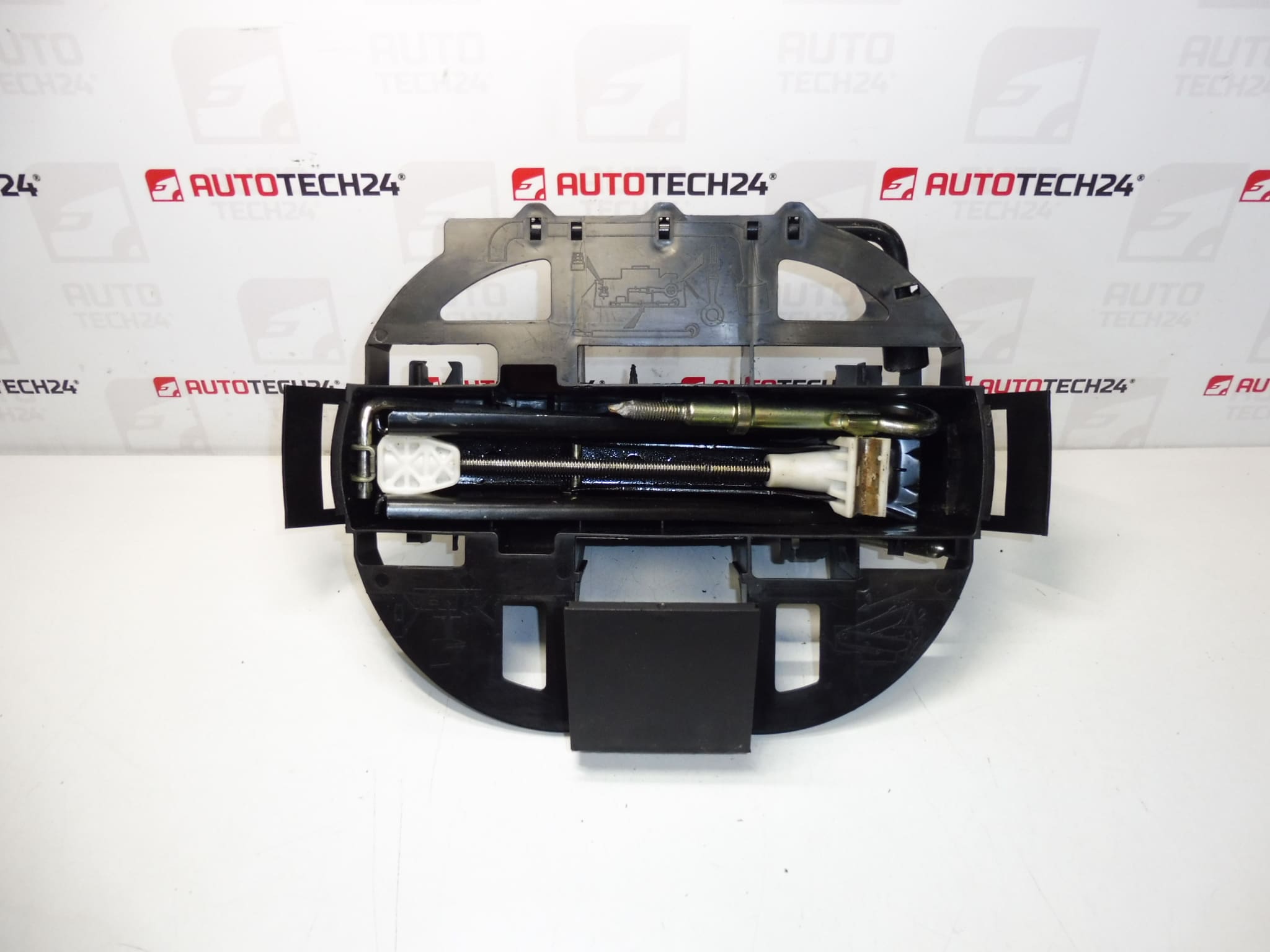
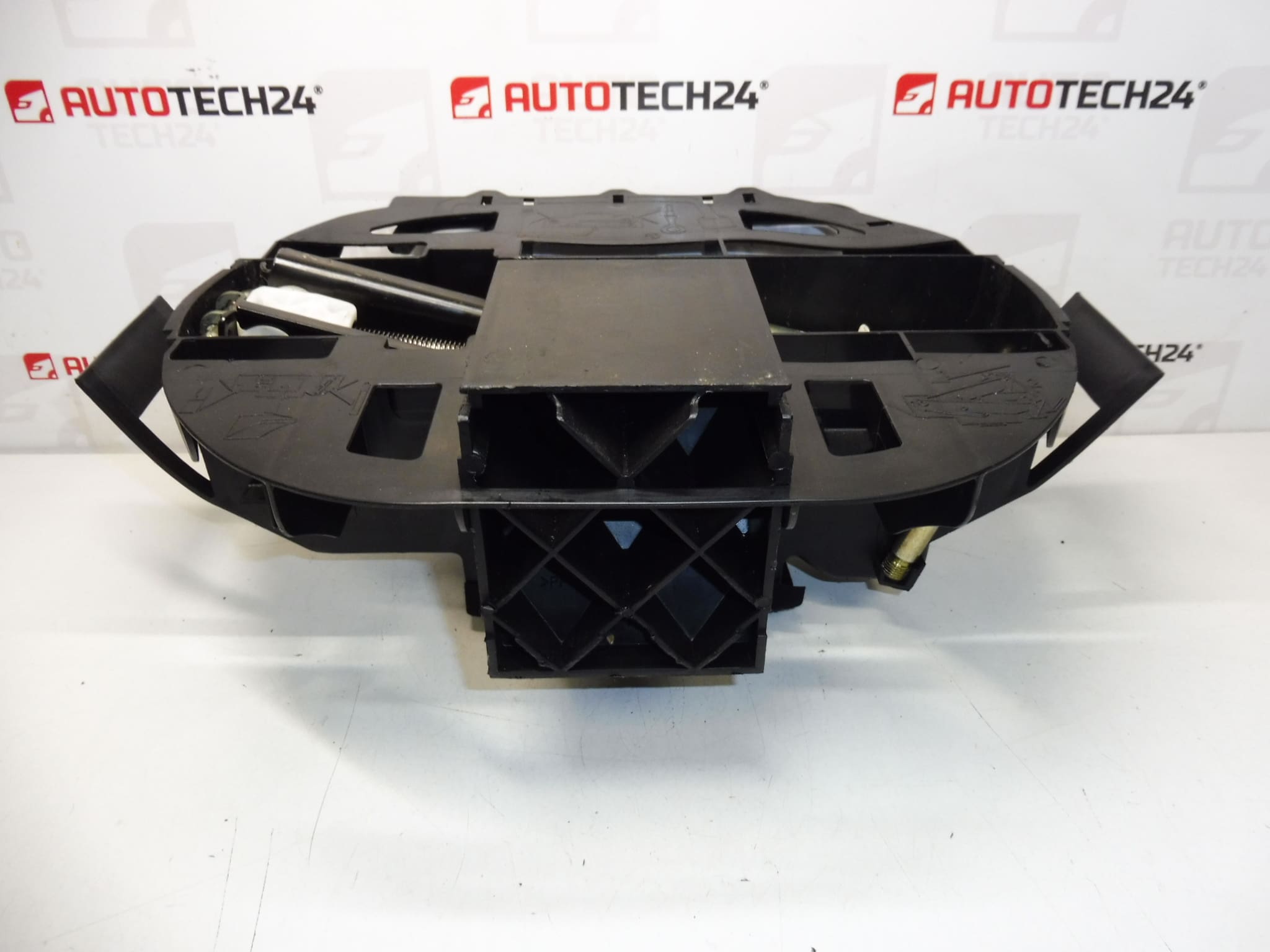
Tool kit: jack, wheel wrench, vehicle lever, towing eye for PEUGEOT 307 CC.
This compact tool kit supplies everything a mechanic or a DIY enthusiast needs for roadside wheel changes and basic recovery tasks on the Peugeot 307 CC. The set contains a vehicle jack, a wheel (lug) wrench, a lever/handle for operating the jack and a screw‑in towing eye — all items commonly used during tyre replacement and vehicle recovery. These parts are frequently looked up by their product codes, so the kit is ideal for workshops, mobile mechanics and owners who keep original equipment tools in their boot.
Key Benefits
- Complete set for safe wheel changes and light towing: jack, wheel wrench, jack handle and towing eye.
- OEM‑style fitment for Peugeot 307 CC — designed to stow in the factory storage location in the boot.
- Compact and lightweight for easy storage and quick access during emergencies.
- Part numbers included for fast searchability and correct fit identification.
Usage And Installation
Before lifting the vehicle, park on level ground, apply the handbrake and chock the opposite wheel. Loosen the wheel nuts slightly while the wheel is still on the ground. Position the jack under the vehicle manufacturer’s recommended jacking point (refer to the vehicle handbook for exact locations) and raise the car until the tyre is clear of the ground. Remove the wheel nuts with the wheel wrench, change the wheel and tighten the nuts by hand before lowering. Final torque should be applied with a torque wrench to the manufacturer’s specification after the vehicle is lowered. Screw the towing eye into the designated threaded socket (usually located behind a removable cover in the front or rear bumper) until fully seated before attaching towing equipment.
Why Parts Fail Or Go Missing
These tools are subject to corrosion and wear from exposure to moisture, road salt and dirt when stored in the boot. Common reasons for replacement are seized or bent jack components, stripped threads on towing eyes, broken handles or missing items after roadside use. Incorrect storage or using the jack on uneven ground can damage the mechanism. Regular visual checks and lubrication of moving parts extend service life.
Recommendations For Fitment And Use
- Verify the kit stows correctly in the 307 CC boot compartment and the towing eye matches the bumper socket thread pitch.
- Always use the jack only at the manufacturer’s jacking points and never work under a car supported solely by a jack — use axle stands for safety.
- Inspect tools for corrosion, thread damage and smooth operation periodically; replace any damaged components before use.
- Keep wheel nuts at correct torque after 50–100 km following a wheel change to ensure safe seating.
Technical Information
- Manufacturer: Stellantis / Peugeot / Citroën
- Model: Peugeot 307 CC
- Product Codes: 673686, 674414, 671739
- Other Numbers: 6701709
Additional Notes
This kit is primarily intended for Peugeot 307 CC owners and professionals servicing this model. Because the set is commonly searched by numeric codes, listing these numbers prominently helps with part identification and online searchability. Keep the tools clean and dry and store them in their original compartment to reduce corrosion and prevent loss.