Description
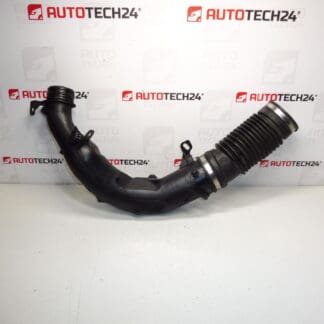
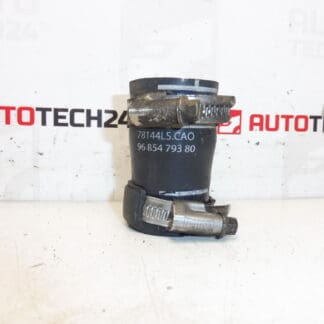
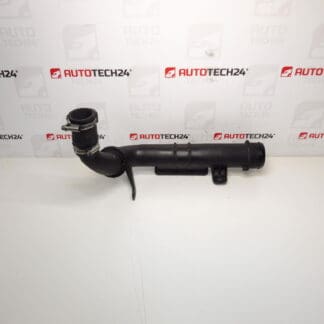
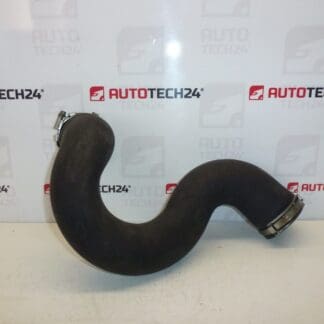
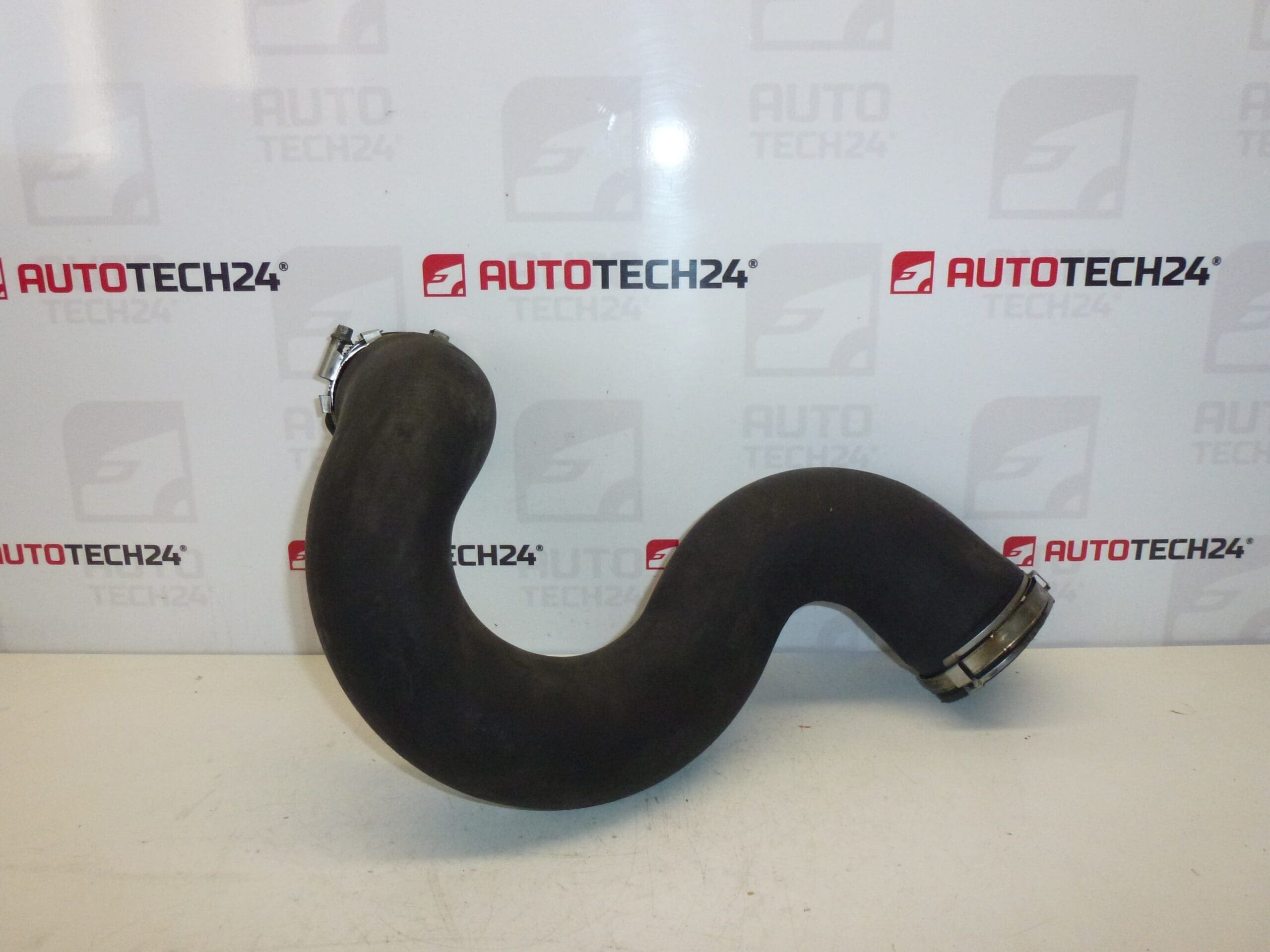
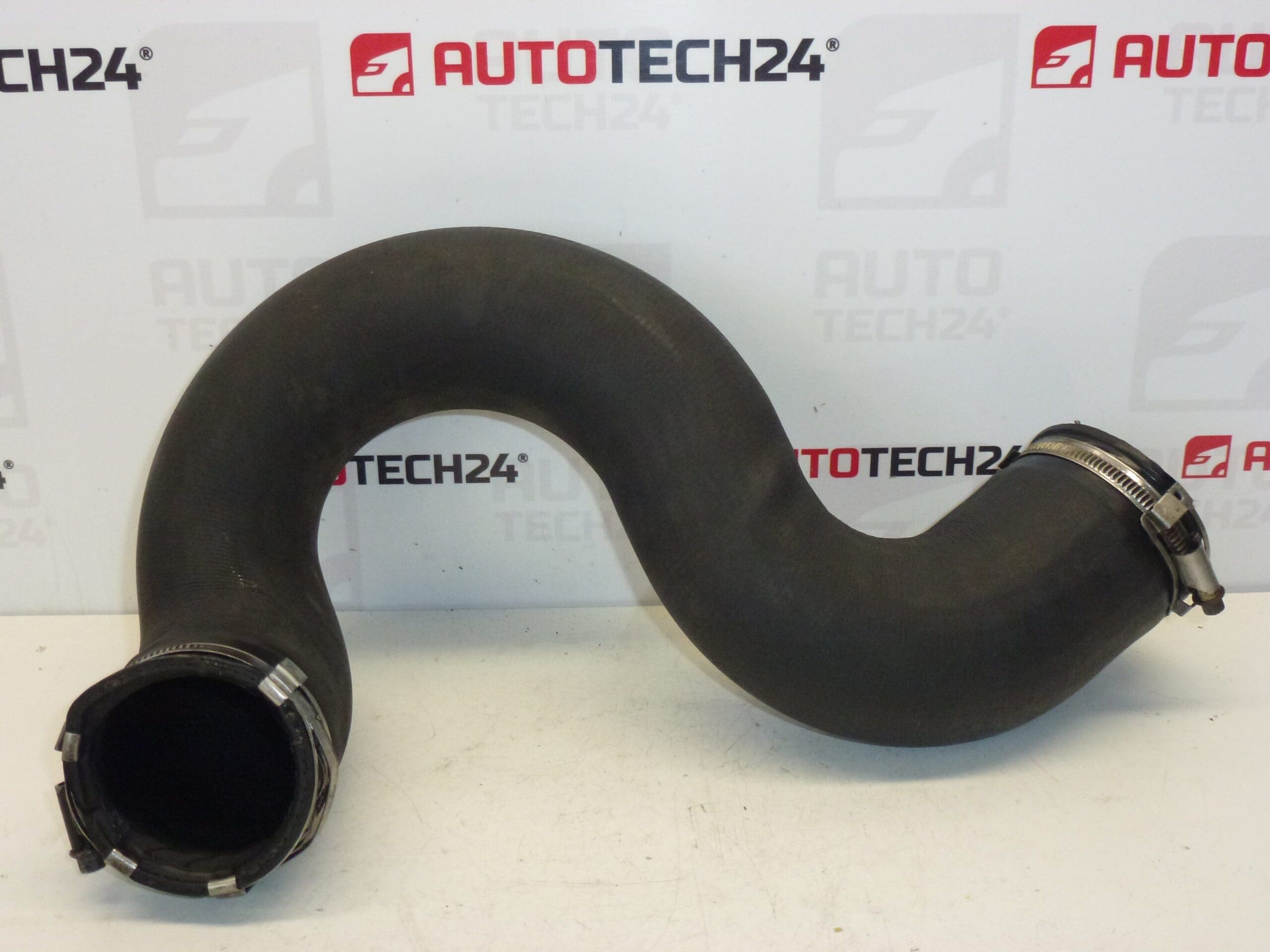
Air connection at the intercooler for Citroën and Peugeot vehicles with 2.0 HDi engines.
This turbo/intercooler hose is a direct-fit airflow connection designed for the 2.0 HDi engines in Citroën and Peugeot models. Built to withstand pressurized intake air, it ensures stable boost delivery from the turbocharger through the intercooler to the intake manifold. Ideal for professional workshops and experienced DIY mechanics who need a reliable replacement part that matches original routing and connection points. Commonly searched under code 0382AV, this hose restores proper boost response and reduces the risk of air leaks that cause loss of power and poor fuel economy.
Function And Fitment
The hose transfers pressurised air between the turbocharger and the intercooler (or between intercooler and intake) and must maintain airtight integrity under repeated pressure and temperature cycles. A compromised hose causes boost leaks, turbo lag, and check-engine faults related to boost pressure. Fitment: Vehicles equipped with the 2.0 HDi engine where the OEM hose reference matches 0382AV.
Technical Information
- Manufacturer: Stellantis (Citroën/Peugeot)
- Model: Citroën C4; Citroën C4 Picasso; Peugeot 307 (2.0 HDi)
- Product Codes: 0382AV NFP
- Additional Numbers: 0382AV
Installation Recommendation
- Allow the engine to cool and relieve intake pressure before starting work.
- Loosen clamps on both ends of the hose and carefully remove any adjacent mounting clips or sensors that obstruct removal.
- Inspect mating surfaces on the turbo outlet, intercooler, and pipes for oil residue, cracks or distortion; clean before fitting the new hose.
- Fit the new hose in the same orientation as the original, seat fully on the pipe ends and tighten clamps evenly. Replace worm-drive or spring clamps with new clamps where necessary to ensure an airtight seal.
- After installation, start the engine and perform a boost pressure check or visual inspection for leaks under moderate load. Road test to confirm restored boost response.
- Recommended Tools: Basic hand tools, torque screwdriver for clamps, and pressure/boost tester for verification in the workshop.
Why This Part Fails Most Often
Typical causes of failure include long-term exposure to heat and oil contamination from turbo seals, repeated pressure cycles causing material fatigue, harsh clamp installation or corrosion of clamps, and mechanical rubbing against adjacent components. Small cracks or oil-soaked rubber often lead to progressive air loss and sudden boost failure under load.
Maintenance And Practical Tips
- Inspect intake and turbo hoses at every major service or whenever turbo-related faults appear.
- Replace clamps when installing a new hose to prevent leaks caused by weakened or corroded fasteners.
- Check for oil contamination from turbo seals; persistent oil in hoses can indicate turbo or crankcase ventilation issues that should be addressed to avoid repeated hose failure.
- Keep the routing identical to the original to avoid kinks or contact with hot components.