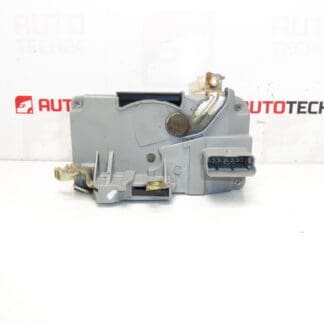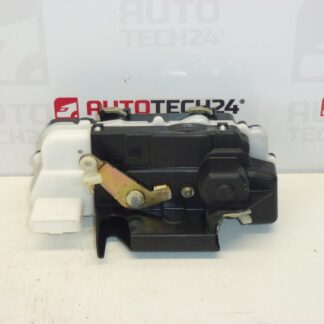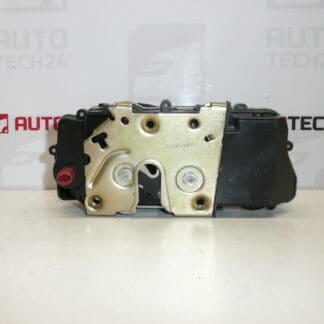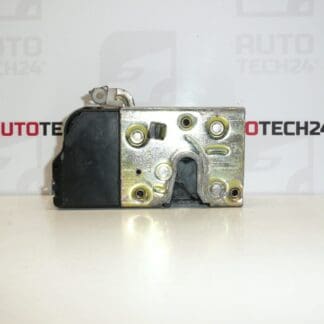
Description
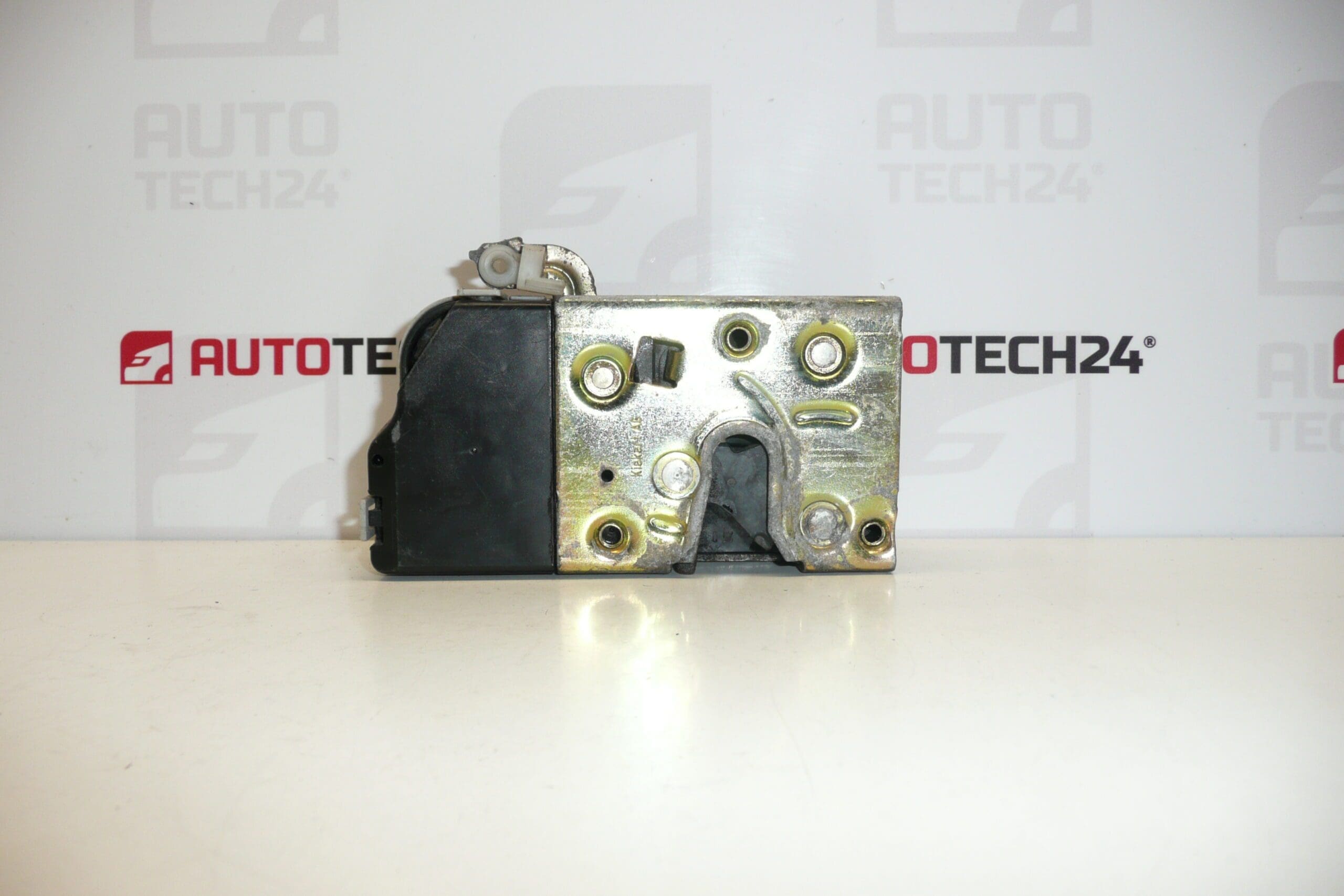
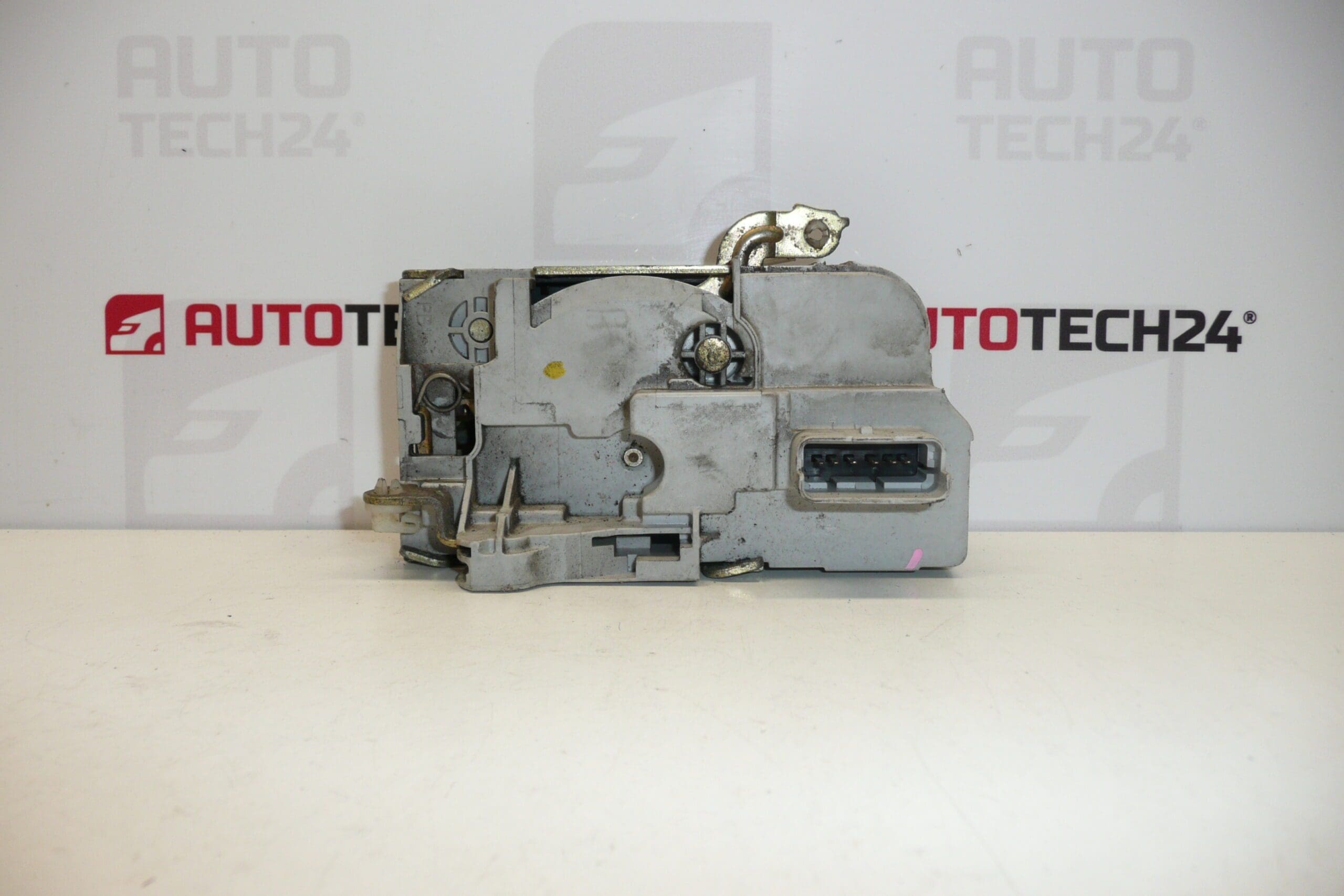
Electric lock – central locking – right front door for CITROEN C5 I and II vehicles. Used part with functional warranty.
Overview
High-quality replacement electric door lock for the right front door of Citroën C5 I and II models. This unit operates the central locking mechanism, controls latch engagement and release, and integrates with the vehicle’s door linkages. Ideal for professional workshops and DIY enthusiasts who need a reliable repair part commonly searched under product code 9136J9.
Why Choose This Part
- Direct fit for Citroën C5 I and II front right door applications.
- Restores central locking function and door latching reliability.
- Commonly referenced by code 9136J9, which helps fast identification in catalogs and online searches.
- Supplied as a used part with a functional warranty, offering cost-effective repair without sacrificing usability.
Technical Information
- Manufacturer: Stellantis (Citroën / Peugeot)
- Model: Citroën C5 I and II (Right Front Door)
- Product Codes: 9136J9
- Other Numbers: NFP
Function And Symptoms Of Failure
The door lock actuator controls the mechanical latch and communicates the lock/unlock command to the door mechanism. Typical failure symptoms include: door not locking or unlocking with central locking, intermittent operation, door that will not latch or remains stuck open/closed, odd noises from inside the door (grinding or clicking), and inability to detect door closed position (interior lights staying on).
Common Causes Of Failure
- Wear Of Internal Gears Or Motor Brushes Causing Loss Of Drive.
- Water Ingress And Corrosion Leading To Electrical Short Or Mechanical Seizure.
- Broken Or Detached Linkage Rods And Clips Preventing Transfer Of Motion.
- Wiring Damage Or Connector Corrosion Affecting Power And Signal.
- Long-Term Fatigue On Plastic Components In Older Vehicles.
Installation Recommendations
- Disconnect The Battery Before Starting Work To Avoid Short Circuits And Unintended Airbag Deployment.
- Remove Inner Door Trim Carefully To Preserve Clips And Fasteners; Keep Hardware Organized For Reassembly.
- Note And Photograph Linkage Rod Positions Before Removal To Ensure Correct Reconnection.
- Inspect And Replace Any Damaged Retaining Clips Or Seals; Lubricate Moving Parts Lightly With Appropriate Grease.
- After Fitting, Verify Mechanical Latch Operation Manually And Then Test Central Locking Function Electrically Several Times With The Door Open And Closed.
- Check Wiring And Connectors For Corrosion; Secure Connectors To Prevent Water Ingress.
Additional Notes For Installers
For professional results, align the latch striker and confirm that the door closes cleanly without rubbing. If central locking still behaves erratically after replacement, inspect the vehicle fuses and central locking relay, and test the wiring harness continuity to rule out electrical faults elsewhere in the system.
Warranty And Condition
Supplied As A Used Part With Functional Warranty. The Unit Is Intended To Restore Normal Locking Function; Condition May Show Signs Of Prior Use.
Compatibility And Identification
This lock is typically identified by product code 9136J9 and fits Citroën C5 I and II models for the right front door. Use The Product Code When Searching Catalogs Or Ordering Replacement Parts.
Why Replacements Are Often Needed
Door lock actuators are exposed to moisture, dirt and mechanical wear, especially on high-mileage vehicles or cars used in wet climates. Plastic gear wear, corroded connectors, and motor fatigue are the most frequent reasons for replacement.