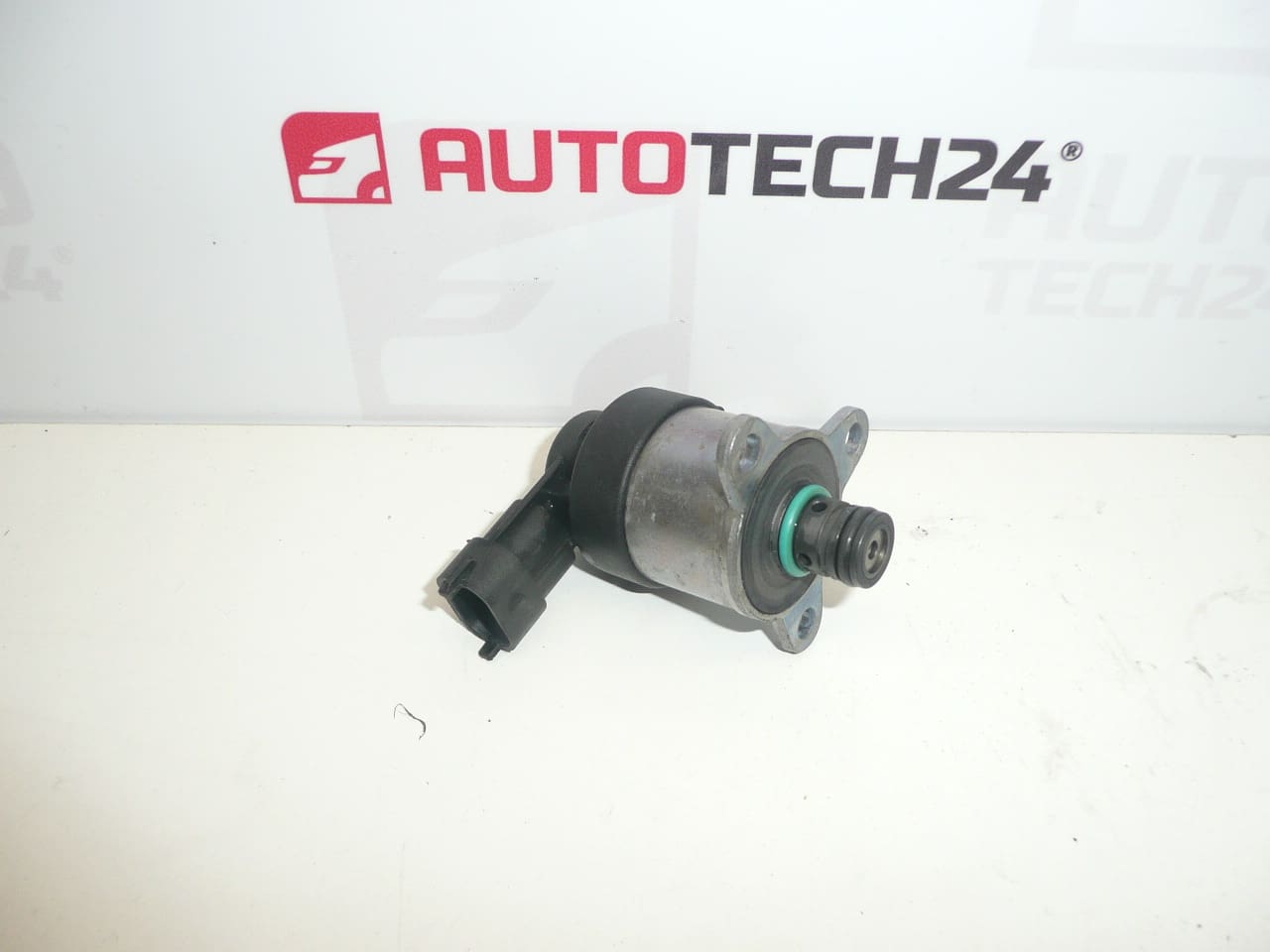
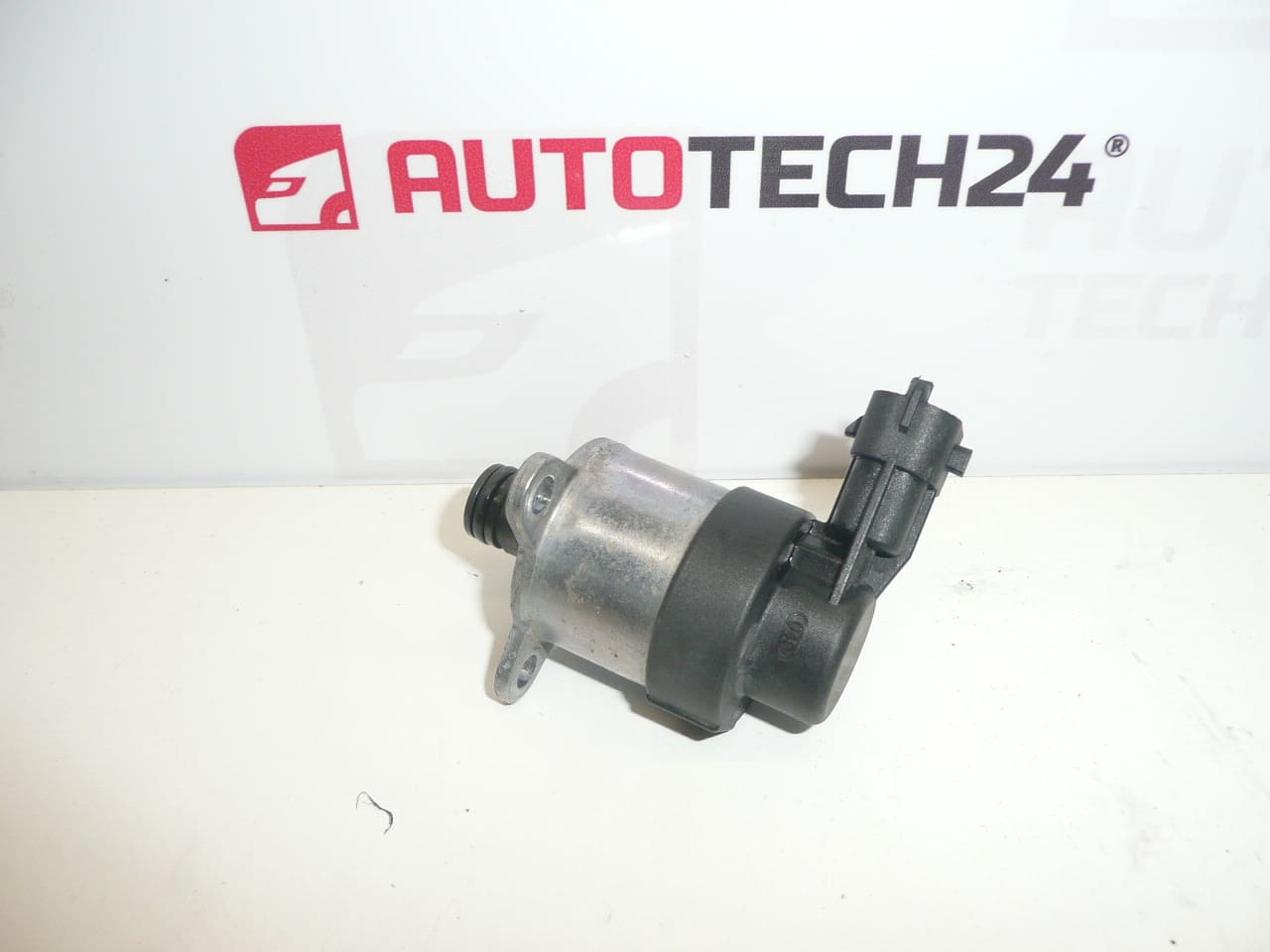
Description
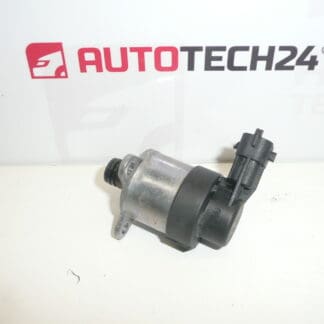
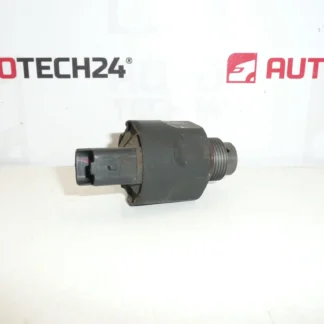
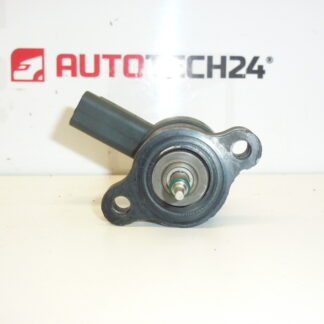
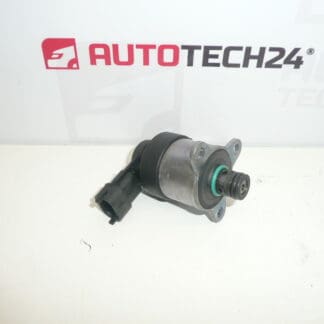
Fuel Pressure Regulator BOSCH for 1.4 HDI and 1.6 HDI or TDCI engines
This Bosch fuel pressure regulator is designed for diesel 1.4 HDI and 1.6 HDI/TDCi engine families used on many Citroën and Peugeot models. Built to control rail pressure precisely, it helps ensure stable injection timing and optimal combustion—critical for smooth running, good fuel economy and low emissions. The unit is commonly searched by OE and Bosch numbers (0928400607 / 0 928 400 607 / 1634149380), so listing these codes increases findability for workshops and DIY mechanics looking for a direct replacement.
Key Benefits
- Accurate Fuel Pressure Control: Maintains proper rail pressure under varying loads and RPMs for consistent engine performance.
- Direct Fit For Many PSA Applications: Compatible with numerous Citroën and Peugeot models using 1.4/1.6 HDi engines.
- Workshop-Friendly: Commonly referenced by part numbers for fast identification and ordering.
Compatibility
Typical vehicle applications include (non-exhaustive):
- Citroën Berlingo
- Citroën C3
- Citroën C3 Picasso
- Citroën C4
- Citroën C4 Picasso
- Citroën Xsara Picasso
- Peugeot 307
- Peugeot 308
- Peugeot 407
- Peugeot Partner
Typical Symptoms Of A Faulty Pressure Regulator
- Rough idle or stalling, especially after cold start.
- Loss of power or hesitation under acceleration.
- Hard starting or long cranking times.
- Fuel system fault codes (common-rail pressure-related DTCs) visible on a diagnostic scanner.
- Visible fuel leaks or smell of diesel in the engine bay.
Installation Recommendations
Recommended procedure for replacement (general guidance):
- Prepare: Work on a cool engine in a well-ventilated area. Use safety gloves and eye protection.
- Relieve Fuel Pressure: Follow manufacturer procedure to depressurize the fuel system before disconnecting lines.
- Disconnect Battery: Always disconnect the negative battery terminal before starting to avoid electrical faults.
- Access: Remove engine covers or components as needed to reach the regulator. On different engine variants the regulator may be mounted on the high-pressure pump or on the common rail.
- Disconnect: Carefully unplug the electrical connector and remove fuel line fittings using appropriate tools for high-pressure connections. Expect some residual diesel—contain and clean spills.
- Fitment: Replace any sealing washers or O-rings with new parts. Fit the new regulator and torque fasteners to manufacturer specification where available.
- Reassembly: Reconnect fuel lines and electrical connector. Reconnect the battery.
- Bleed And Test: Prime the fuel system, check for leaks, clear stored fault codes with a diagnostic tool and perform a road test to confirm correct operation.
Why This Part Fails Most Often
Common causes of regulator failure include:
- Contaminated Fuel: Particles or degraded fuel can damage internal valve elements or block return passages.
- Wear And Age: Internal seals and diaphragms can harden or leak after long service life.
- Excessive Fuel System Pressure Or Pump Wear: Abnormal pressures can overstress the regulator.
- Corrosion Or Fuel Additives: Long-term exposure to poor-quality diesel or aggressive additives can compromise materials.
- Improper Handling During Service: Damaged connectors, torn O-rings or incorrect reassembly can cause leaks or malfunctions.
Technical Information
- Manufacturer: Bosch
- Model: For 1.4 HDI / 1.6 HDI / TDCi Engines (PSA Applications)
- Product Codes: 0928400607, 0 928 400 607
- Other Numbers: 1634149380, 928400607
Notes For Fitters
- Always replace seals and crush washers during installation to ensure leak-free joints.
- Check and clean the surrounding area before opening fuel connections to prevent contamination of the common rail system.
- After replacement, verify no related fault codes persist and confirm correct rail pressure with a gauge or scan tool where available.
- If in doubt about access or removal on a specific engine variant, consult the vehicle workshop manual for the correct sequence and torque values.
This regulator is a direct-replacement item frequently sought by part number. Correct identification by the listed codes will speed up ordering and installation for both professional workshops and experienced DIY mechanics.