Description
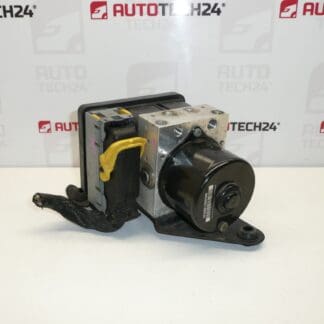
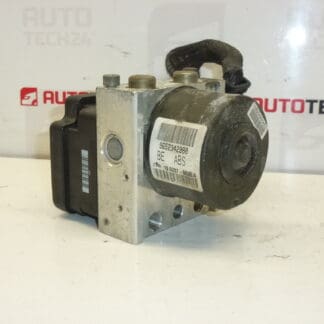
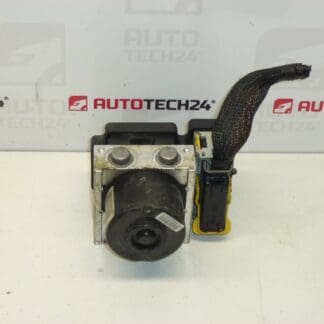
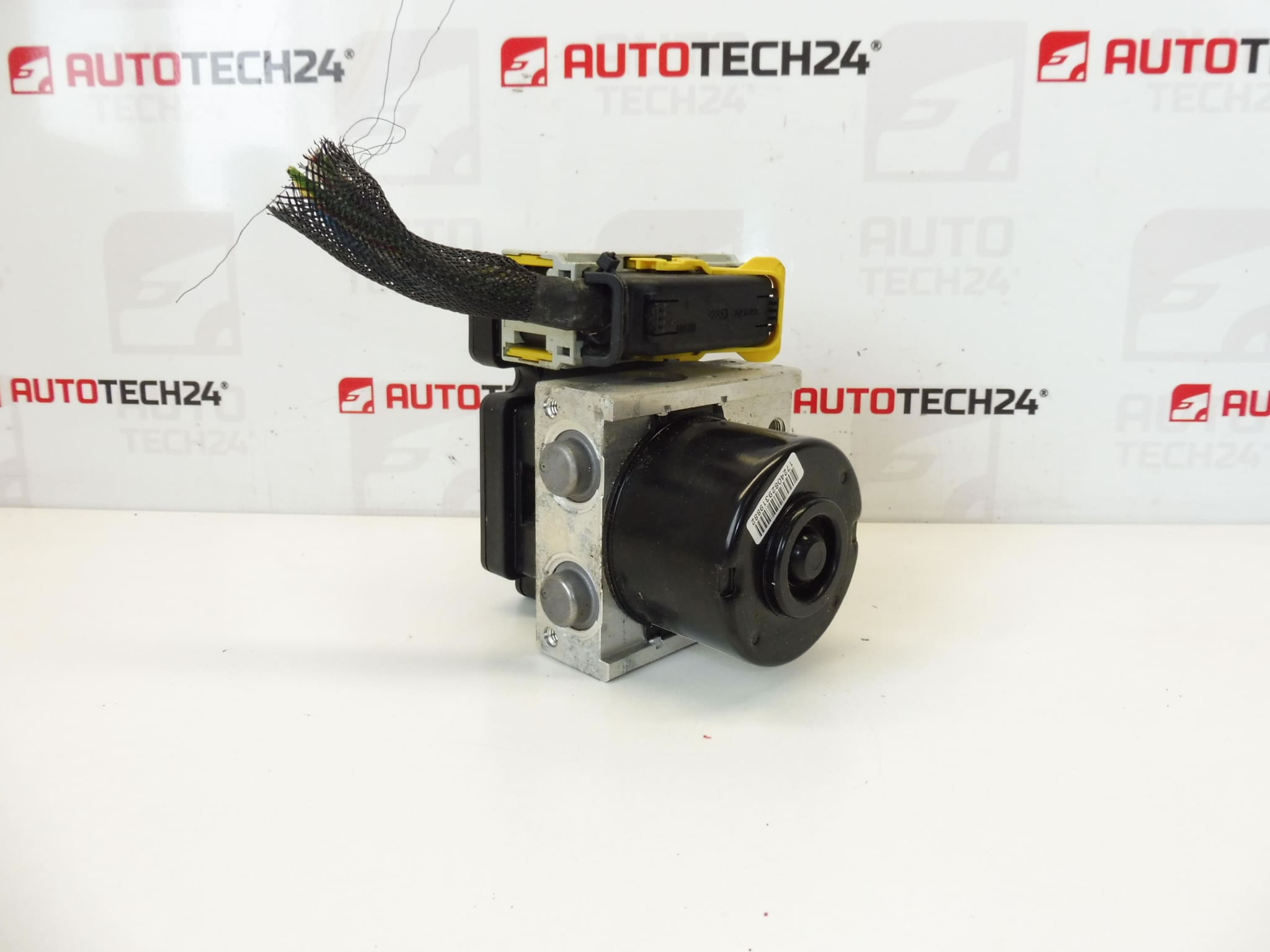
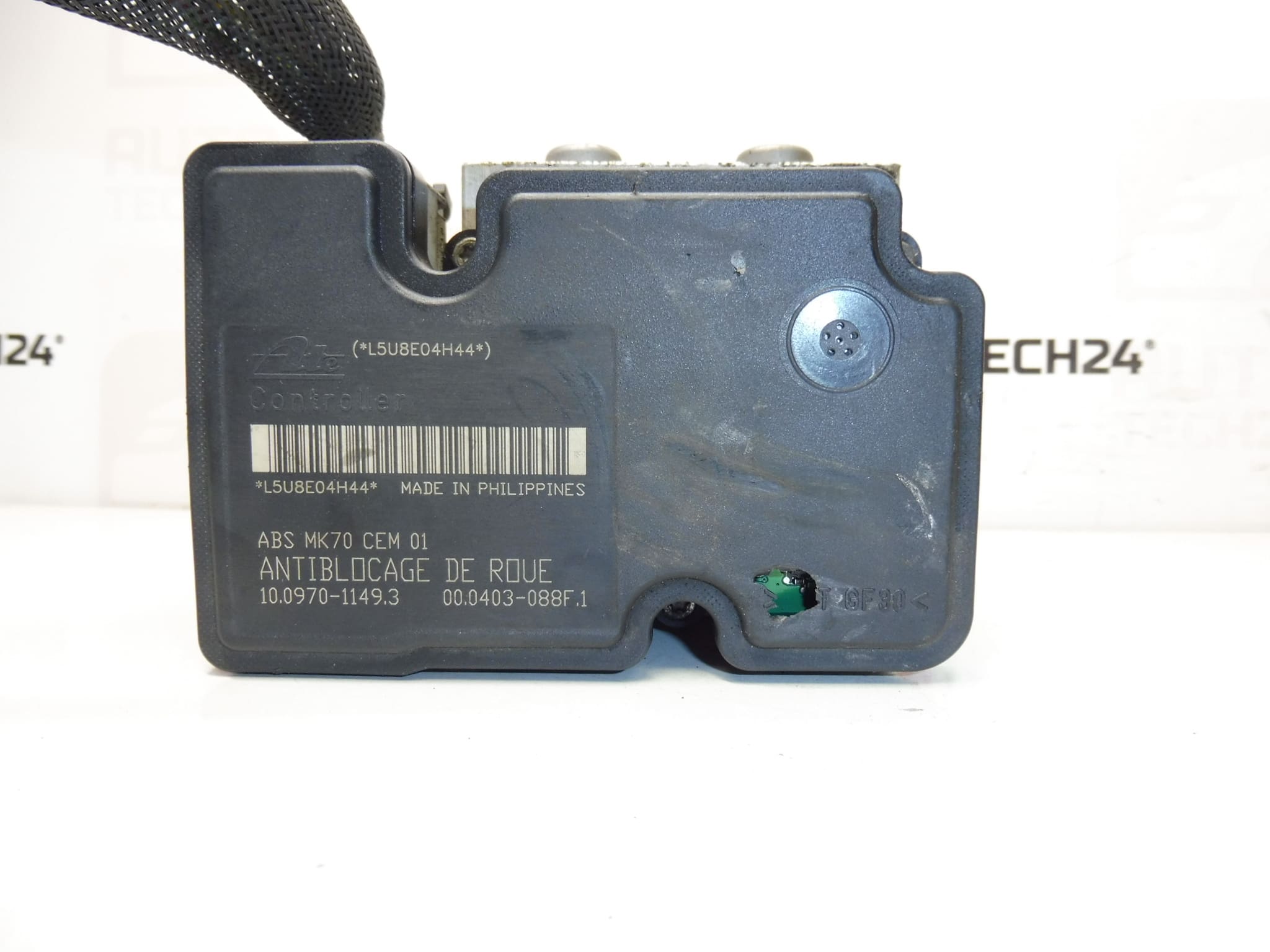
Control module, ABS pump, unit, ABS ATE cube
!!!!! cracked plastic, fully functional !!!!!
With wiring
Original used ABS ATE module for Peugeot 206 cars. This is a complete ECU unit + hydraulic block/pump (so-called “ABS cube”). The part is fully functional, it only has a cracked plastic cover, which does not affect the operation of the unit. Cabling is also part of the sale. The ideal solution for a quick and cost-effective repair compared to a new part.
The ABS module ensures the regulation of brake pressure so that the wheels do not lock up during intensive braking. The fault is typically manifested by an illuminated ABS warning light, pump/valve/pressure sensor error codes, or irregular ABS function. With these units, wear and tear of the pump’s electric motor, cold joints or mechanical damage to the cover is a frequent cause of malfunctions. By choosing an original ATE part, you will maintain proper function and compatibility with the rest of the brake system.
Compatibility: intended for selected versions of the Peugeot 206 with ABS system ATE. Always compare the label numbers of your original unit and the shape/connector before purchasing. Code matching is key for trouble-free installation and functionality without additional modifications.
Assembly and recommendations
– Disconnect the battery before disassembly.
– The unit is usually mounted on a bracket in the engine compartment; when replacing the hydraulic block, it is necessary to disconnect the brake pipes and carefully vent the entire system after assembly.
– It is recommended to carry out service venting via diagnostics (activation of pump/valves).
– Depending on the vehicle equipment, remote coding/configuration of the unit (DiagBox/PP2000) and clearing of fault codes may be required.
– Work cleanly, protect the hydraulic circuits from dirt and make sure that the brake lines are correctly tightened.
Technical Information
- Manufacturer: ATE (Continental Teves)
- Model: Peugeot 206 (selected versions with ABS ATE)
- Product codes: 9659136980, 10.0207-0130.4, 10.0970-1149.3
- Other numbers: 4541V5, 4541V6, 4541RW, 4542J8, 4542Z0, 4542J9
Part condition: used, fully functional, plastic cover cracked (cosmetic defect), supplied with wiring. Always compare the numbers above with your original unit to ensure compatibility.