Description
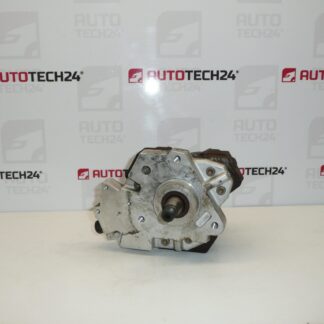
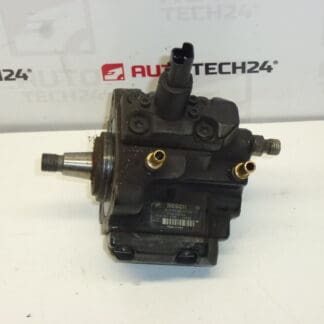
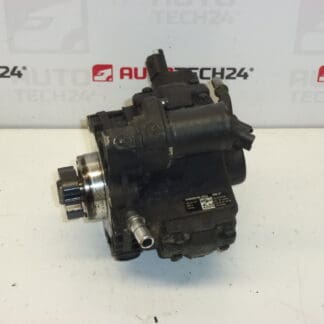
Injection Pump 2.0HDI 100 kW RHR RHK with SIEMENS VDO system 5ws40019 for Citroën, Peugeot, Ford, Volvo, Mazda. Tested, with functional warranty. Without Fuel Pressure Regulator.
Overview
This Siemens VDO injection pump (5WS40019) is designed for 2.0 HDi engines (RHR / RHK) producing around 100 kW. The unit is commonly fitted to a range of Stellantis vehicles (Citroën and Peugeot) and to certain Ford, Volvo and Mazda applications where the DW10 platform or compatible variants are used. This listing includes frequently searched part numbers such as 5WS40019, 5WS40809, 1920QH and 1920N8—useful when searching by product code.
Technical Information
- Manufacturer: Siemens VDO
- Model: 2.0 HDi 100 kW RHR / RHK
- Product Codes: 5WS40019, 5WS40809
- Additional Numbers: 1920QH, 1920N8
Compatible Vehicles (Examples)
Typical vehicle models that use this pump include Citroën C4, Citroën C4 Picasso, Citroën C5 (including X7), Citroën C8, Peugeot 307, Peugeot 407 and Peugeot 807. Also fitted in certain Ford, Volvo and Mazda applications using compatible 2.0 HDi engine variants. Always verify engine code (RHR / RHK) when matching parts.
Function And Common Faults
The injection pump supplies high-pressure fuel to the common-rail system and precisely meters fuel to the injectors according to engine demand. Common failure modes include internal wear, contamination from degraded fuel or dirty filters, sticking or failing control valves/actuators, and external leaks. Symptoms of a failing pump are rough idle, loss of power, difficult cold starts, increased fuel consumption and fault codes related to fuel pressure or delivery.
Replacement Procedure (General Guidance)
Replacement of the injection pump should be carried out by a qualified technician. General steps include:
- Relieve fuel system pressure and isolate the battery supply for safety.
- Remove intake and ancillary components to access the pump.
- Mark and note timing alignment marks and drive position before removal.
- Disconnect fuel lines, electrical connectors and mounting bolts, then remove the pump.
- Install new pump ensuring correct timing alignment, torque settings and new sealing gaskets.
- Prime the fuel system, bleed air, then check for leaks and proper fuel pressure.
- Clear any related fault codes and verify engine operation under load.
Because timing and calibration are critical, calibration or adaptation may be required after installation—this work is best done with proper diagnostic and calibration equipment.
Installation Recommendations
- Perform the replacement in a clean environment to avoid introducing contaminants to the fuel system.
- Use new sealing washers, gaskets and properly rated fuel lines when reassembling.
- Follow manufacturer torque specifications for all fasteners and respect engine timing marks.
- Prime and bleed the fuel system thoroughly before attempting to start the engine to prevent damage to the pump and injectors.
- If available, use factory diagnostic tools to confirm fuel pressure, timing and to run any required adaptations.
Why This Part Most Often Fails
Failures are most commonly caused by contaminated fuel (water, particles, or degraded additives), insufficient fuel filtration, running with low fuel levels that reduces lubrication, or long-term mechanical wear. Electrical actuator failures and seal deterioration can also lead to loss of performance or leaks. Regular fuel filter maintenance and using good-quality diesel significantly extend pump life.