Description
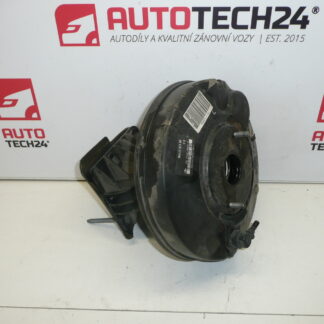
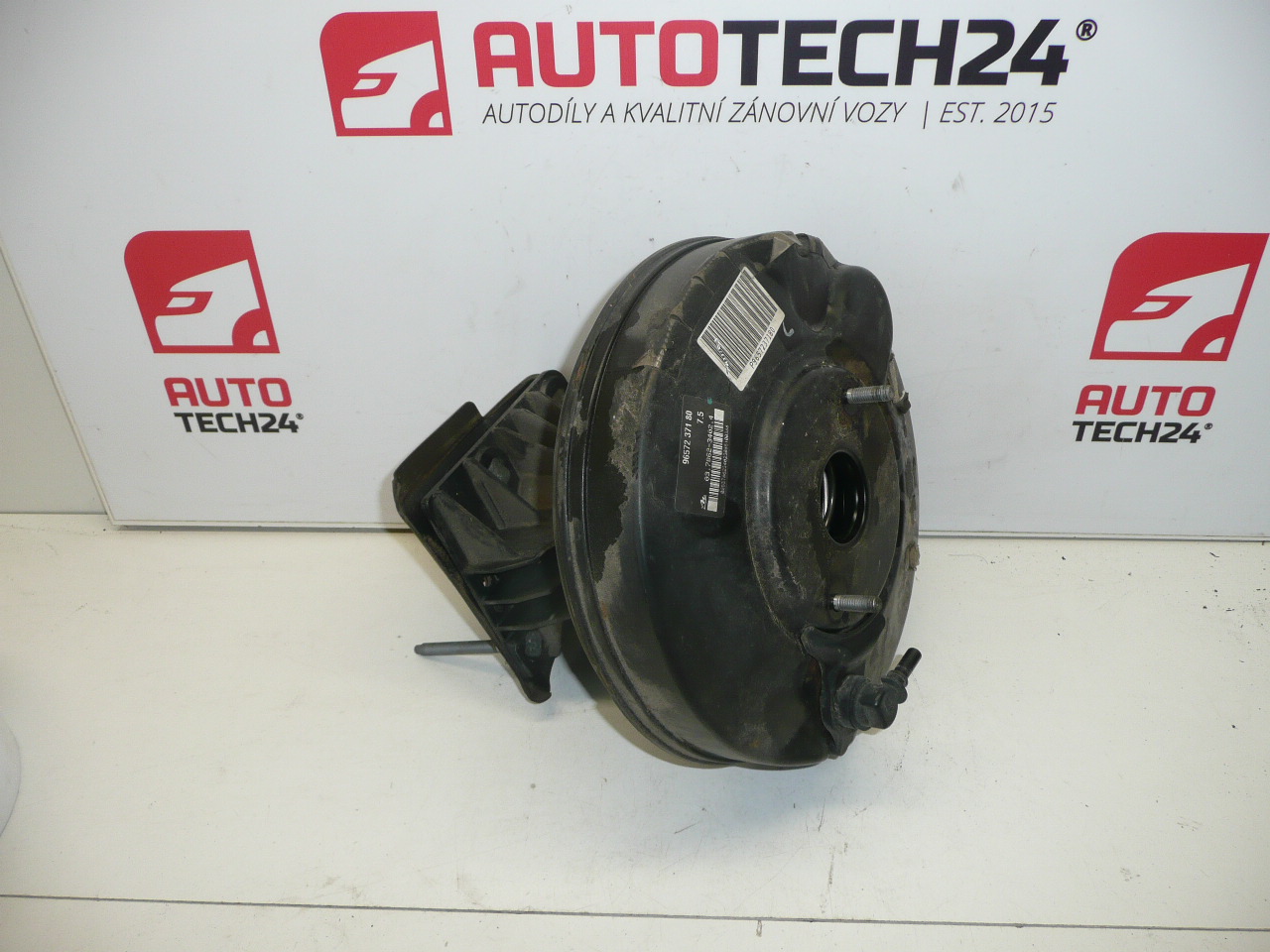
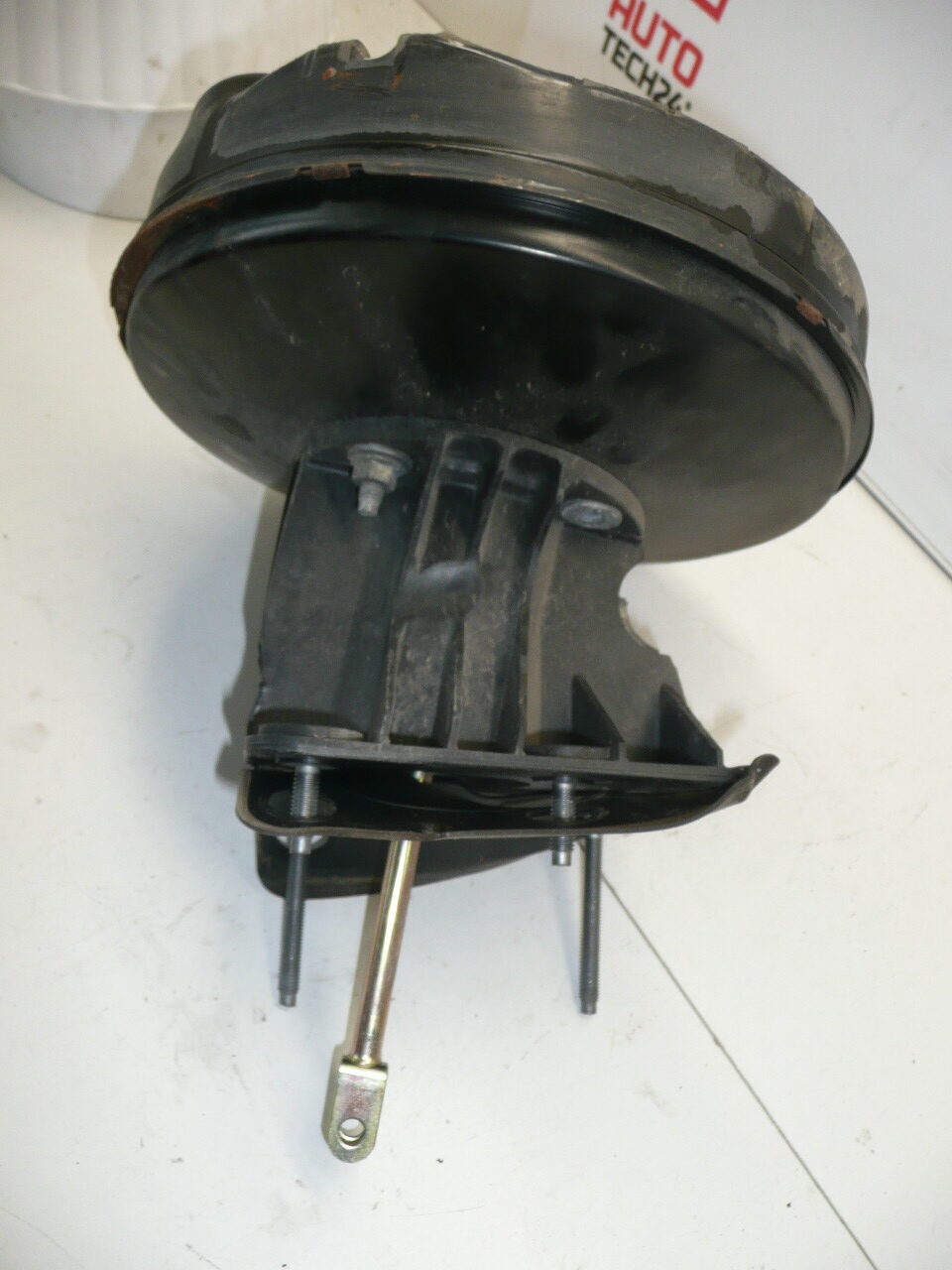
ATE Brake Booster for Peugeot 407 and Citroën C6
High-quality brake booster designed for Citroën and Peugeot vehicles, providing reliable pedal assistance and restored braking comfort. Ideal for professional workshops and competent DIY mechanics who search by part numbers (9657237180, 9658117480, 4535V7). The unit restores correct brake pedal travel and responsiveness when the original booster shows signs of loss of vacuum or internal leakage.
Technical Information
- Manufacturer: ATE
- Model: Peugeot 407, Citroën C6
- Product Codes: 9657237180, 9658117480
- Other Numbers: 4535V7
Features And Function
The brake booster (vacuum servo) multiplies the force applied by the driver to the brake pedal using engine vacuum and an internal diaphragm. It works together with the master cylinder to reduce pedal effort and ensure consistent braking force. A correctly functioning booster provides a firm pedal feel, short travel and predictable braking response under varying engine loads.
Compatibility And Fitment
Fits vehicles including Peugeot 407 and Citroën C6 (check model variants and production years when ordering). This unit is commonly referenced by OEM/service numbers 9657237180 and 9658117480 and the internal code 4535V7, which makes it easy to find when searching by part number.
Replacement Procedure
Basic replacement steps (for experienced mechanics or trained DIYers):
- Park the vehicle on a level surface and ensure the parking brake is applied.
- Disconnect the negative battery terminal before starting work.
- Remove or support the master cylinder; if possible, avoid disconnecting the brake lines by unbolting and moving the master cylinder aside to prevent air ingress.
- Disconnect the vacuum hose and check valve from the booster. Inspect hoses for cracks or hardening and replace if needed.
- From inside the vehicle, remove the nuts securing the booster to the firewall and detach the pushrod from the brake pedal.
- Withdraw the old booster from the engine bay and install the replacement in reverse order: position booster, tighten mounting nuts to manufacturer torque, reconnect pushrod, vacuum hose and master cylinder.
- If brake lines were opened, perform a complete brake bleed following the vehicle manufacturer’s procedure. Check pedal free play and pedal firmness before road testing.
Installation Recommendations
- Always replace or inspect the vacuum check valve and vacuum hose when fitting a new booster; these are common failure points.
- Use correct torque values for firewall nuts and follow the vehicle manufacturer’s assembly sequence to avoid misalignment or stress on the mounting studs.
- If the master cylinder shows signs of wear or contamination, consider replacing or bench-bleeding it during installation to prevent premature failure of the new booster.
- After installation, verify vacuum supply at idle and during engine load. Confirm there are no vacuum leaks and that pedal response is immediate and consistent.
Most Common Reasons For Failure
- Internal Diaphragm Rupture Or Wear — Leads To Loss Of Vacuum Assistance And A Hard Brake Pedal.
- Faulty One-Way Check Valve Or Cracked Vacuum Hose — Causes Intermittent Assistance Or Hissing Noise.
- Contamination From Master Cylinder Fluid — Seal Failure In The Master Cylinder Can Damage The Booster Internals.
- Corrosion Or Mechanical Damage — Age, Moisture And Road Debris Can Compromise The Housing Or Pushrod Mechanism.
Reliable part numbers and clear fitment details make this brake booster a practical replacement choice for restoring braking performance on Peugeot 407 and Citroën C6 models. Order by part number to ensure quick identification and fast fitment in the workshop.