Description
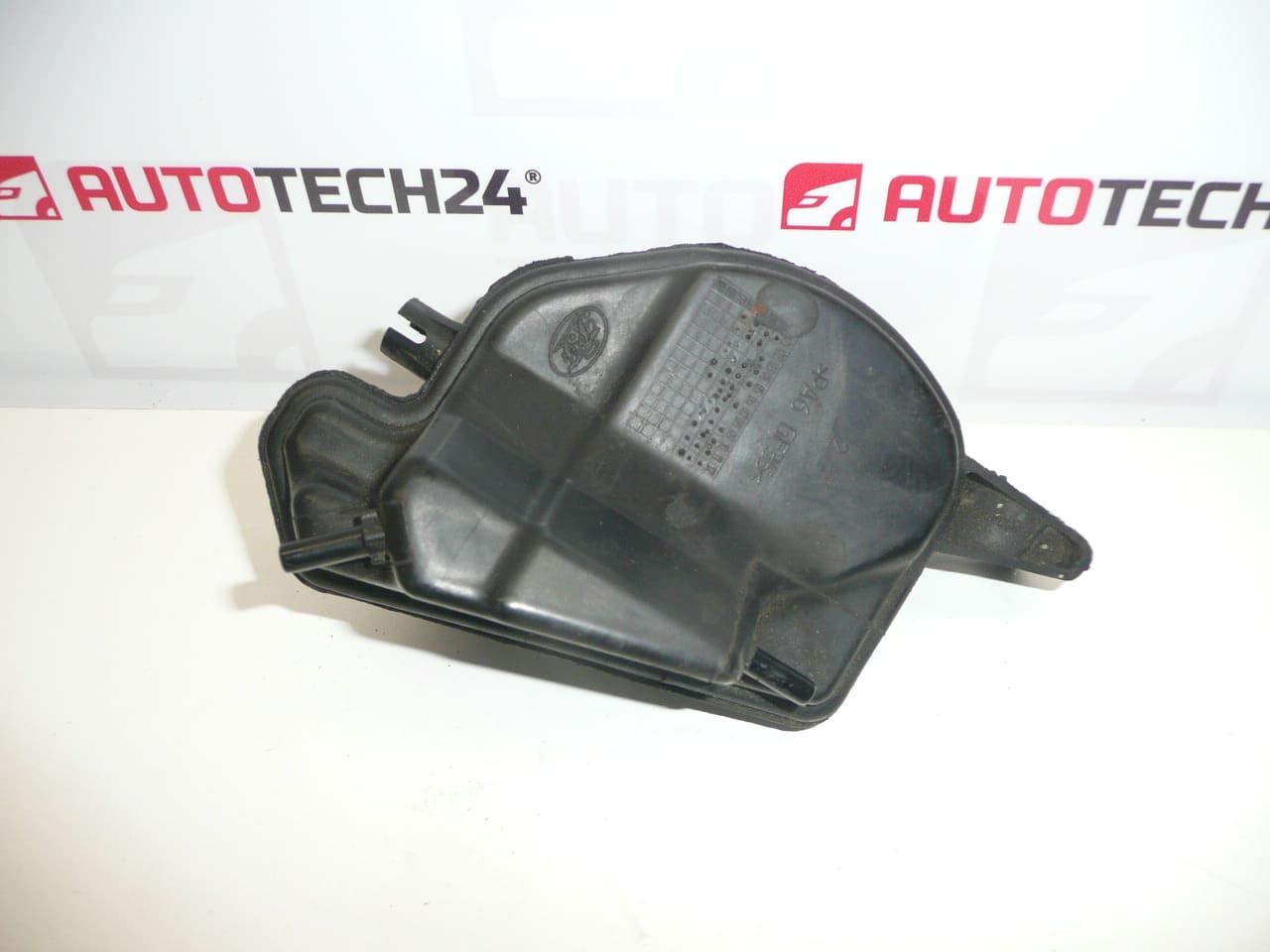
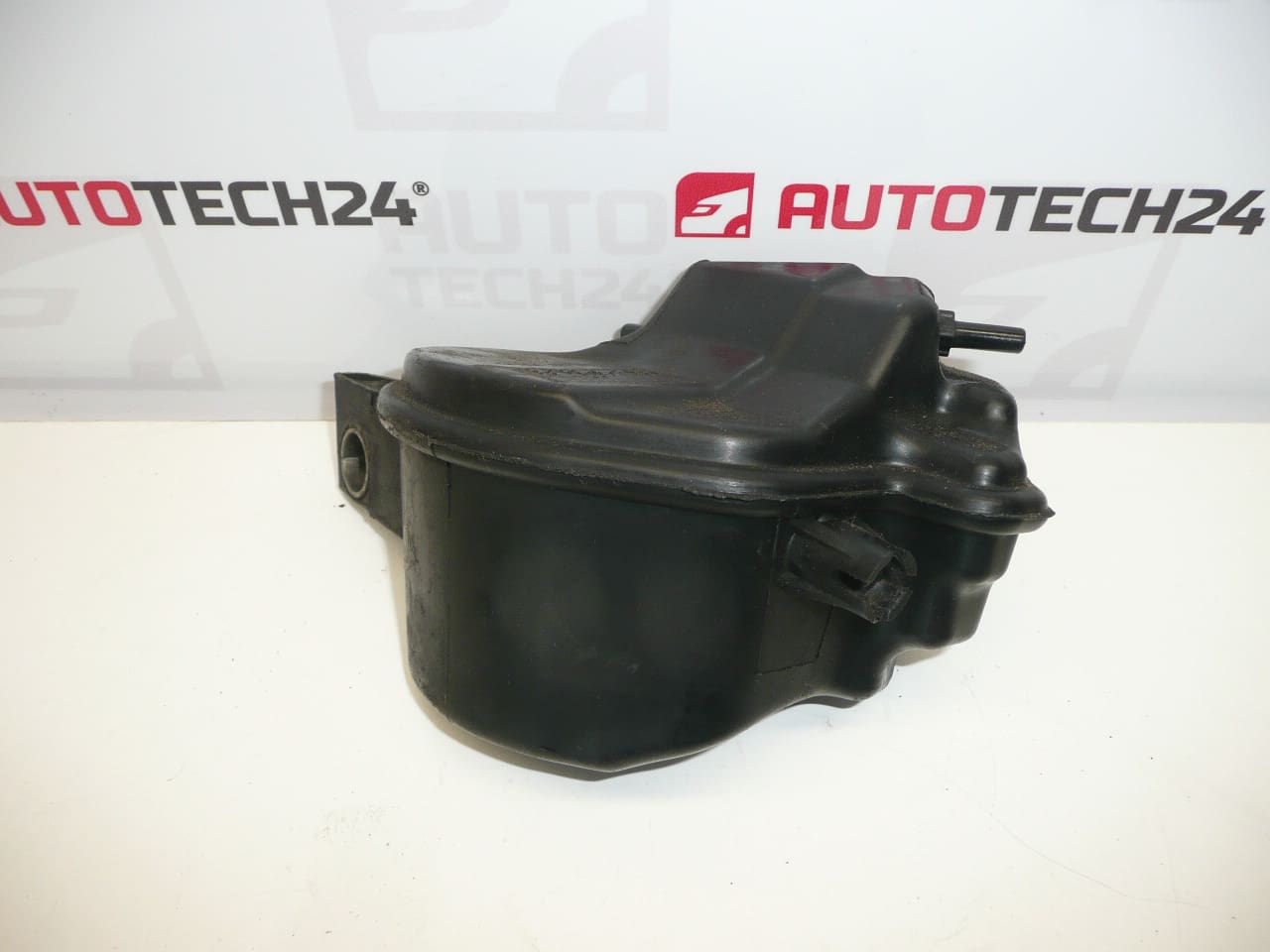
Vacuum reservoir for Citroën, Peugeot, Ford and Volvo vehicles with 1.6 HDi engine.
This vacuum reservoir (part numbers 9649508680 / 037007) is a direct-fit replacement designed for diesel 1.6 HDi applications. It restores reliable vacuum supply for brake assist and various vacuum-operated actuators, reducing hard brake pedal feel and intermittent failures of engine-control vacuum systems. Ideal for professional workshops and DIY mechanics who search by part number (9649508680, 037007, 37007) to find the correct component quickly.
Technical Information
- Manufacturer: Stellantis (Citroën / Peugeot OE)
- Model: Citroën Berlingo, Citroën C3, Citroën C3 Picasso, Citroën C4, Citroën C4 Picasso, Citroën C5, Citroën C5 (X7), Citroën Xsara Picasso, Peugeot 206, Peugeot 207, Peugeot 307, Peugeot 308, Peugeot 407, Peugeot Partner
- Product Codes: 9649508680, 037007
- Additional Numbers: 37007
Function And Application
The vacuum reservoir stores negative pressure generated by the engine vacuum pump (or electric vacuum pump on some diesel variants) and provides a stable vacuum source to the brake servo and other vacuum-operated devices (EGR control, vacuum solenoids, HVAC actuators). By buffering vacuum fluctuations it ensures consistent brake-assist performance even under high engine load or when the vacuum pump output varies.
Common Failure Modes
- Cracked Or Brittle Plastic Housing Causing Vacuum Loss.
- Leaking Hoses Or Damaged Check Valve Leading To Slow Or No Vacuum Build-Up.
- Contamination From Oil Or Debris Causing Internal Valve Or Seal Damage.
- Failure Secondary To Vacuum Pump Faults — A Failing Pump Can Overstress The Reservoir And Connections.
Replacement Frequency
There Is No Fixed Service Interval; Failure Is Typically Age Or Damage Related. In Practice, Reservoirs May Last Many Years, But Exposure To Heat, Engine Bay Contaminants And Mechanical Damage Can Require Replacement After Roughly 8–15 Years Or Following Notable Vacuum-Related Symptoms.
Installation Recommendations
- Work In A Well-Ventilated Area With The Engine Off And The Vehicle Securely Parked.
- Inspect All Vacuum Hoses, Clamps And The Check Valve; Replace Any Aged Or Brittle Components At The Same Time To Prevent Recurrence.
- Disconnect Only The Minimal Electrical Connectors Required For Safe Access; Follow Manufacturer Procedures For Components Located Near Airbags Or Sensitive Electronics.
- After Fitting, Start The Engine And Run Until The Vacuum Pump Fills The Reservoir. Check For Leaks Around Hose Connections And The Reservoir Body While Pressurizing/Depressurizing The System.
- Confirm Brake Pedal Feel And Any Related Fault Codes Are Cleared After Replacement.
Why This Part Fails Most Often
The Most Common Cause Of Failure Is Material Degradation—plastic And Rubber Components Become Brittle Over Time From Heat Cycles, Oil Vapors And Road Contaminants. Mechanical Impact Or Poorly Secured Hoses Can Also Cause Cracks Or Abrasions, Leading To Vacuum Leaks. Additionally, A Faulty Vacuum Pump Or Blocked Lines Can Overload The Reservoir Or Introduce Contaminants That Reduce Service Life.