Description
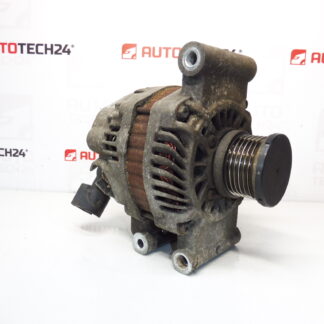
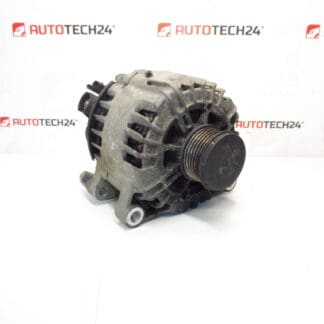
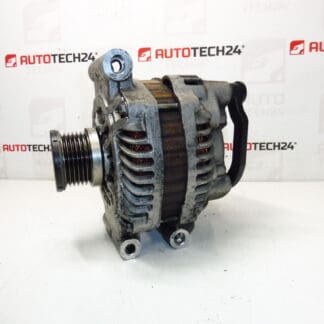
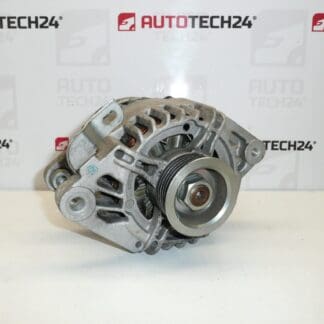
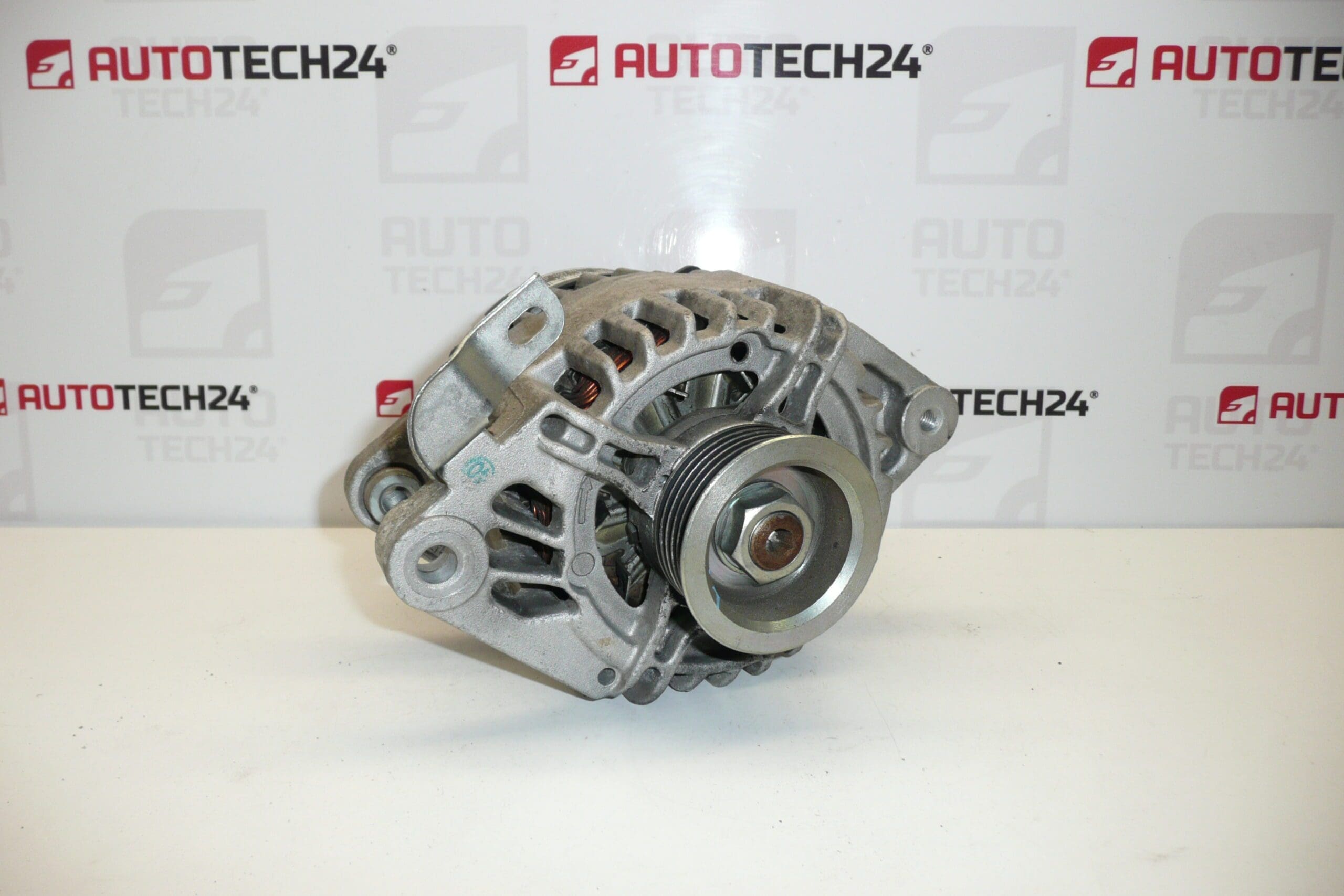
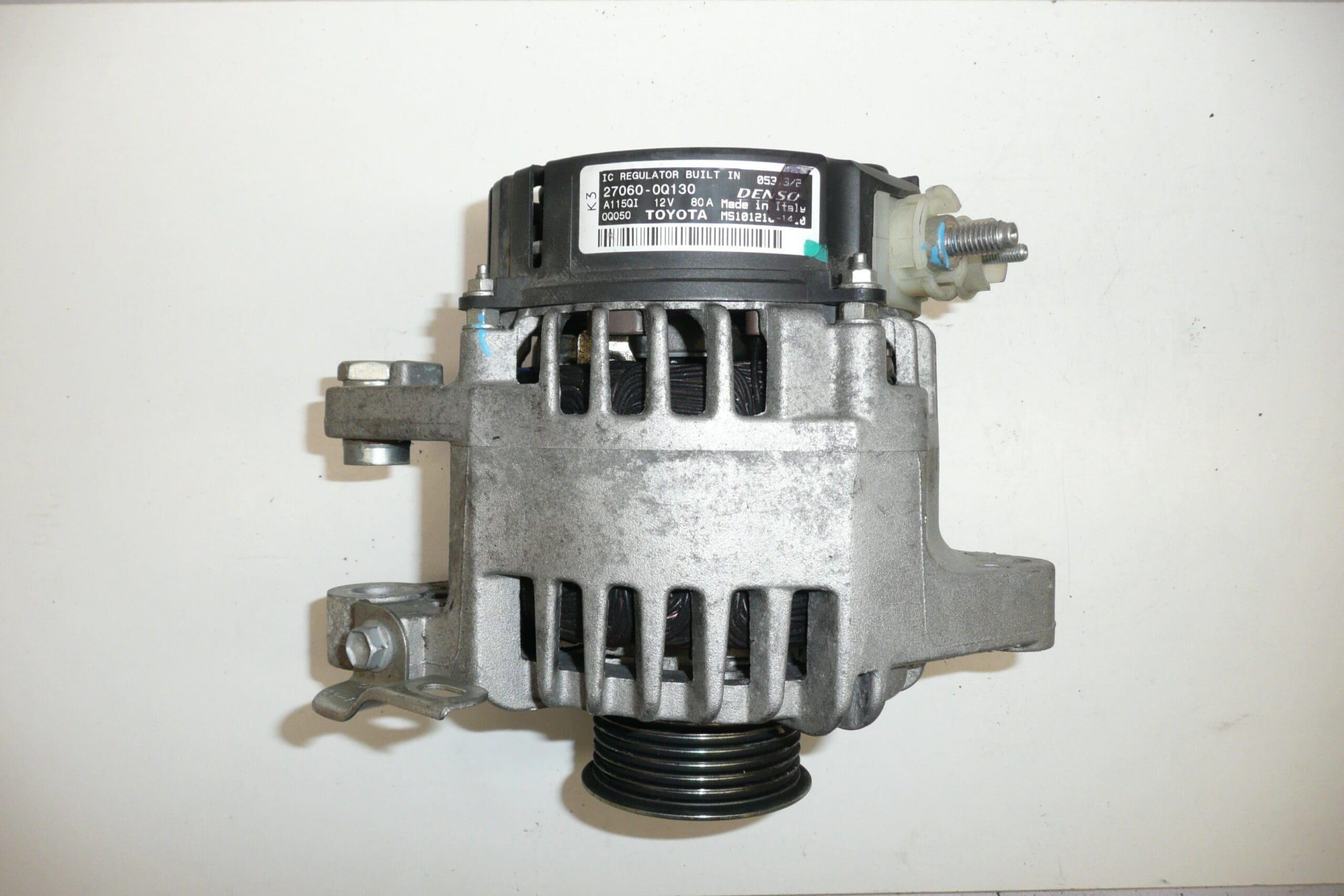
DENSO alternator with code 27060-0Q020 is compatible with Citroën C1, Peugeot 107 and Toyota Aygo. This is a used part.
This DENSO alternator (OE reference 27060-0Q020) is a direct-fit charging unit for small city cars Citroën C1 and Peugeot 107, also found on Toyota Aygo models sharing the same platform. Designed for mechanics and DIY enthusiasts, the unit restores reliable charging performance, charges the battery during driving and powers the vehicle electrical system. Many customers search by part numbers such as 27060-0Q020 or manufacturer reference codes, so the correct code listing below helps you find the right replacement quickly.
Technical Information
- Manufacturer: DENSO
- Model: Alternator for Citroën C1 / Peugeot 107 / Toyota Aygo
- Product Codes: 27060-0Q020
- Additional Numbers: 5702J2, 5702L1, 5705KJ, 5705NP
Compatibility And Notes
Fits vehicles built on the shared Citroën/Peugeot/Toyota platform where the mounting, electrical connector and pulley arrangement match the listed codes. Always compare the physical connector, bracket positions and pulley type with the unit being replaced.
Installation Recommendations
- Disconnect the negative battery terminal before starting work to avoid short circuits and protect vehicle electronics.
- Loosen the drive belt tensioner and remove the drive belt from the alternator pulley. Note belt routing before removal.
- Disconnect electrical connectors and the battery lead from the alternator. Remove mounting bolts and extract the alternator from the engine bay.
- Install the replacement alternator in reverse order: bolt to the correct torque, reconnect electrical terminals, refit the drive belt and restore proper belt tension.
- After installation, reconnect the battery and verify charging system operation with a multimeter: typical charging voltage should read approximately 13.5–14.8 V with engine running.
- Ensure pulleys are aligned and belt condition is good. Replace the drive belt if glazed or worn.
- When tightening fasteners, follow torque values recommended by the vehicle manufacturer to avoid damage.
Why This Part Commonly Fails
Alternators are subject to mechanical and electrical wear. Typical failure causes include:
- Worn Brushes And Slip Rings: Over time brushes wear down and contact degrades, reducing output.
- Faulty Diode Rectifier Or Voltage Regulator: Diode or regulator failure causes poor charging, battery drain or overcharging.
- Worn Bearings Or Noisy Pulley: Bearings fail due to age or contaminant ingress, producing noise and eventual seizure.
- Contamination And Corrosion: Oil, coolant leaks or road salt can damage internals and electrical connections.
- Belt Slip Or Incorrect Tension: A slipping or worn belt reduces alternator speed and charging efficiency.
Symptoms of a failing alternator include battery warning lamp illumination, dimming lights, weak battery, frequent jump starts or unusual noises from the alternator area. Typical service life varies with use and environment but alternators commonly show wear after 100,000–200,000 km.
Additional Advice For Professionals And DIYers
When fitting a used alternator, check the output under load and inspect the pulley, connector and mounting for any signs of damage. If repeated alternator failures occur, verify the vehicle electrical system (battery condition, earth connections, belt drive and vehicle electronics) to avoid premature replacement.