Description
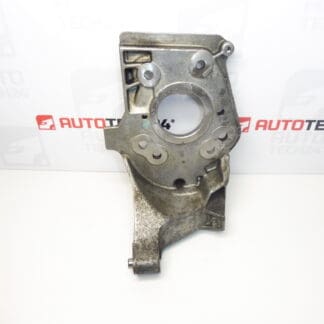
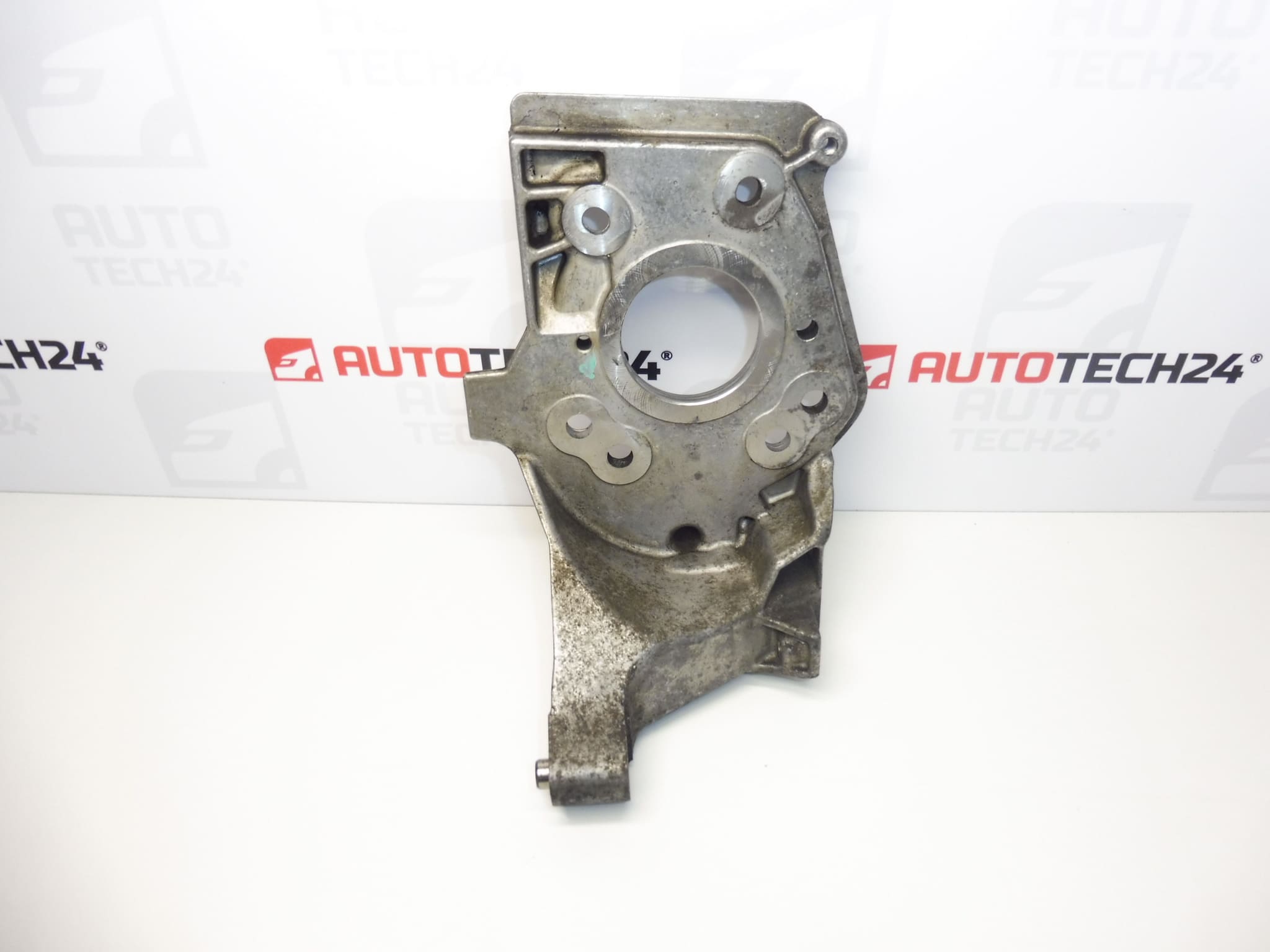
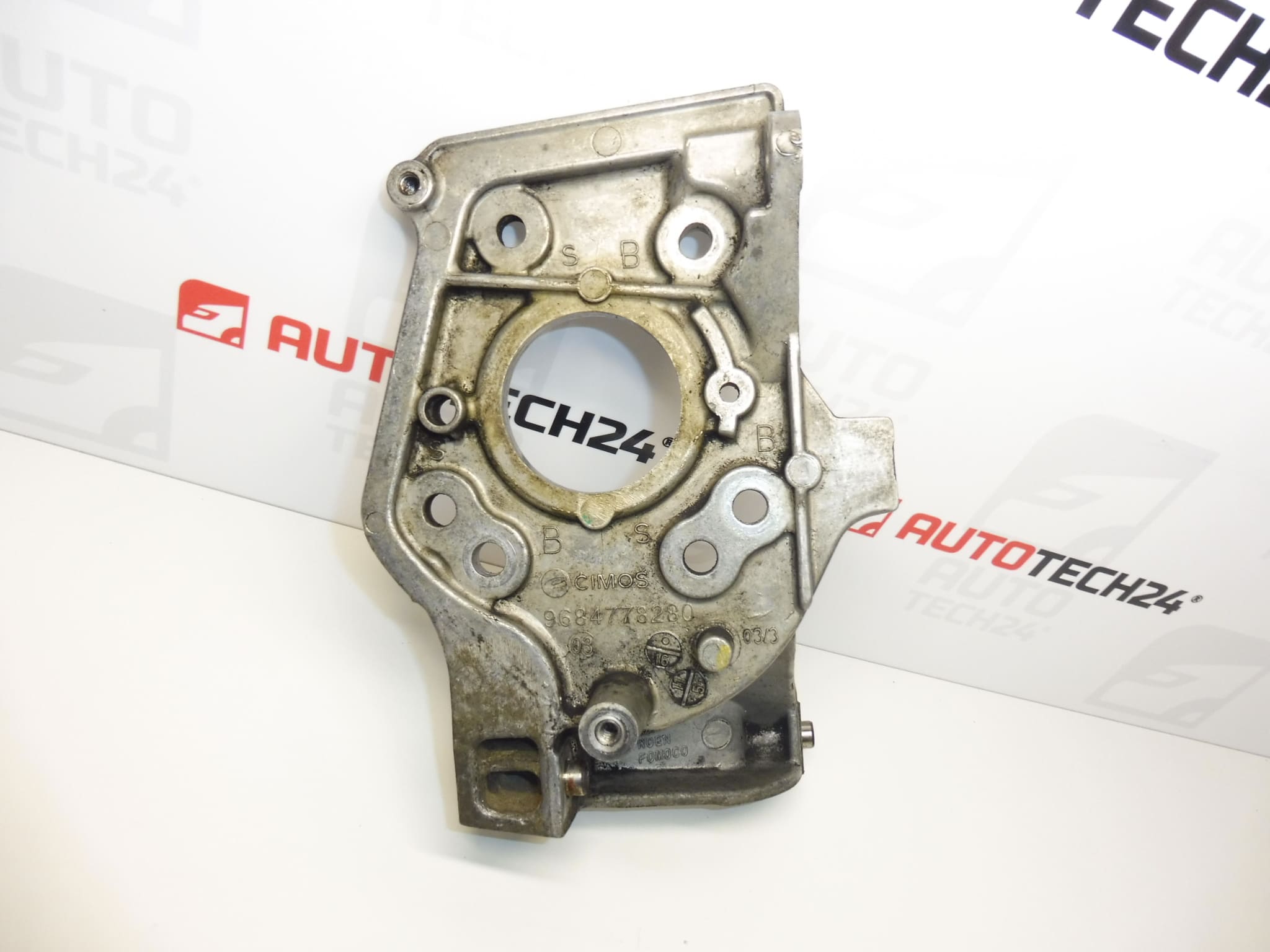
Injection Pump Bracket 1.6 e-HDi Bosch For Citroën, Peugeot, Ford, Mazda, Volvo
This injection pump bracket is designed for the 1.6 e-HDi high-pressure injection system and carries Bosch identification. It Provides Secure Mounting For The Injection Pump, Ensuring Proper Alignment And Vibration Isolation Between The Pump And The Engine Block. Ideal For Professional Workshops And Experienced Do-It-Yourself Mechanics Looking For A Direct-Fit Replacement With Clear Product References Like 9684778280 And 192689.
Technical Information
- Manufacturer: Bosch
- Model: Citroën Berlingo B9; Citroën C4 II; Citroën C4 Picasso; Peugeot 308; Peugeot Partner Tepee (Vehicles Equipped With 1.6 e-HDi Engines)
- Product Codes: 9684778280
- Other Numbers: 192689
Compatibility
Fits Vehicles Equipped With The 1.6 e-HDi / 1.6 HDi High-Pressure Injection System From The PSA/Stellantis Family And Some Applications Shared With Ford, Mazda And Volvo Models Where The Same Bosch Injection Pump Architecture Is Used. Confirm Fitment By Comparing The Part Numbers Shown On The Old Bracket.
Function And Typical Faults
The Bracket Secures The High-Pressure Injection Pump To The Engine And Maintains Correct Positioning And Alignment. A Damaged Or Distorted Bracket Can Cause Misalignment, Excessive Vibration, Premature Wear Of Pump Seals, Fuel Leaks Or Noisy Operation. The Bracket Itself Does Not Contain Sealing Elements But Plays A Critical Role In The Mechanical Stability Of The Fuel System.
Most Common Causes Of Failure
- Corrosion From Road Salt And Moisture Leading To Metal Thinning Or Perforation.
- Metal Fatigue And Cracking Due To Long-Term Vibration Or Engine Movement.
- Impact Damage From Accidents Or Improper Jacking/Lifting.
- Seized Or Stripped Fasteners During Previous Repairs Causing Damage To Threaded Bosses.
Replacement Interval And Inspection
The Bracket Is A Durable Component And Often Lasts The Service Life Of The Vehicle. Failure Is Relatively Uncommon Unless Exposed To Corrosive Environments, Mechanical Impact Or Poor Service Practice. Inspect The Bracket When Replacing The Injection Pump, After Collision Repair, Or If You Detect Vibration, Fuel Odor Or Changes In Pump Operation.
Installation Recommendations
Always Follow Manufacturer Procedures. Basic Steps For Replacement:
- Disconnect The Battery Before Starting Work To Avoid Electrical Hazards.
- Relieve Fuel System Pressure And Take Appropriate Precautions Against Fuel Spillage.
- Remove Any Obstructing Components (Intake Ducts, Engine Covers, Heat Shields) To Gain Access To The Pump Area.
- Support The Injection Pump If Required To Prevent Stress On Fuel Lines While Unbolting The Old Bracket.
- Remove Fasteners And Transfer Any Necessary Spacers Or Dampers To The New Bracket.
- Install The New Bracket, Align The Pump Correctly And Tighten Fasteners To Manufacturer Torque Specifications (Refer To The Service Manual).
- Check For Fuel Leaks And Reassemble Components. Clear Any Diagnostic Codes If Present And Verify Engine Operation.
Notes For Professional Use
Use New Fasteners If Old Bolts Show Corrosion Or Thread Damage. Ensure That Mounting Faces Are Clean And Free Of Debris To Prevent Misalignment. Torque Values And Specific Removal/Installation Steps Can Vary Between Models; Consult The Official Service Manual For Exact Procedures.