Description
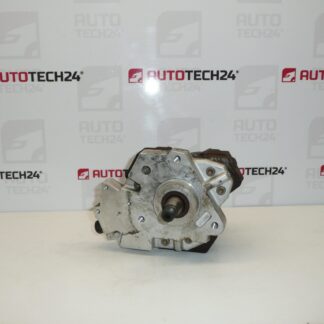
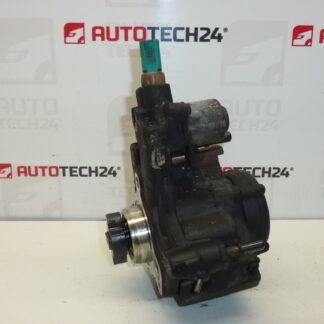
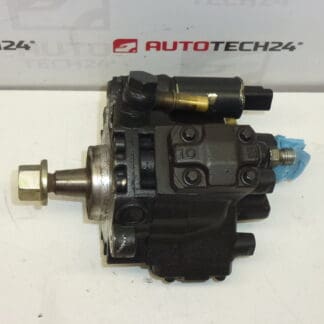
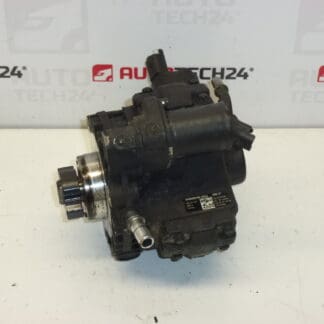
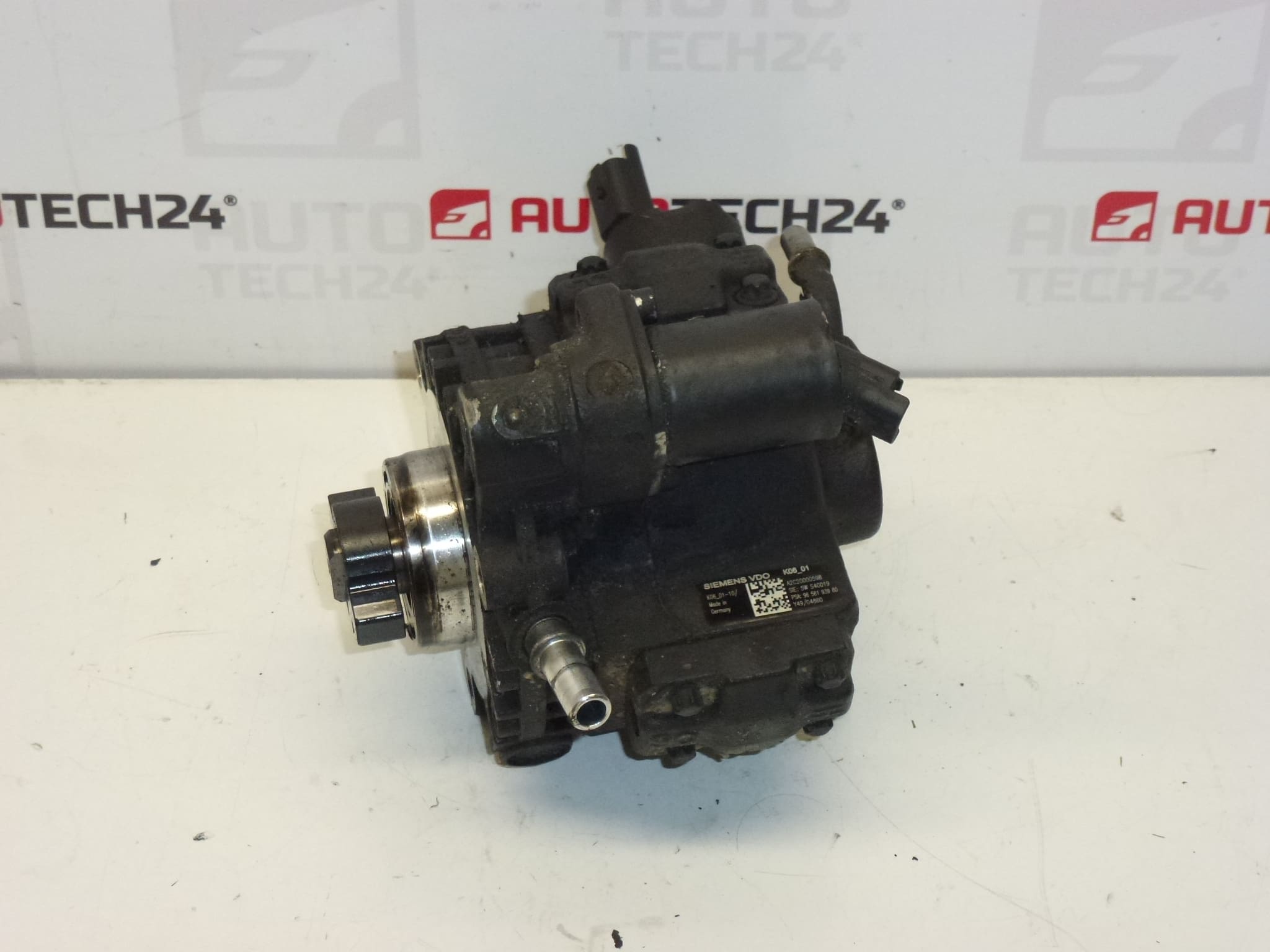
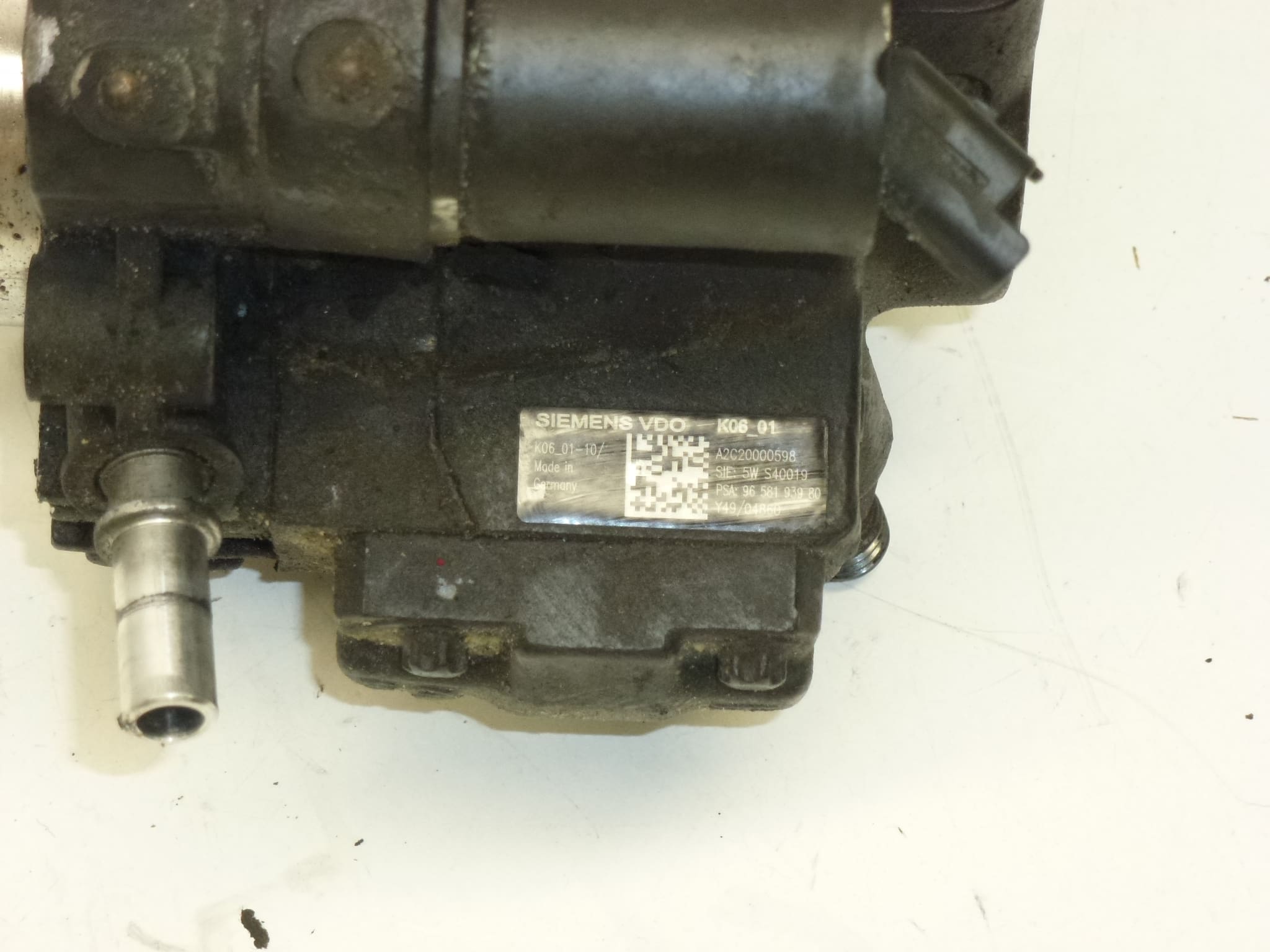
Injection pump 2.0 HDi 100 kW RHR RHK with SIEMENS VDO 5WS40019 for CITROËN, PEUGEOT, FORD, VOLVO, MAZDA. Tested, supplied with a functional warranty. Equipped with fuel pressure regulator.
This high-pressure injection pump is designed for 2.0 HDi 100 kW turbo diesel engines (RHR / RHK) and features the SIEMENS VDO 5WS40019 platform. It supplies precisely metered diesel fuel to the common-rail system and integrates a pressure regulation function to maintain stable rail pressure under varying engine loads. The robust mechanical construction is suitable for workshop replacement and for experienced DIY mechanics familiar with diesel fuel systems.
Key Benefits
– Precise fuel delivery for stable idle, improved throttle response and fuel economy.
– Built with an integrated pressure regulator to ensure correct rail pressure.
– Direct fit for many Citroën and Peugeot applications using the 2.0 HDi 100 kW engines.
Compatibility and Typical Applications
Compatible with vehicles and engine families that use the 2.0 HDi 100 kW RHR / RHK pump, including (but not limited to):
Citroën: C4, C4 Picasso, C5, C5 X7, C8
Peugeot: 307, 407, 607, 807
Also fitted to certain Ford, Volvo and Mazda models that share the same diesel engine/pump specification.
Common Symptoms of a Failing Injection Pump
– Loss of power and poor acceleration.
– Hard starting or extended cranking time.
– Rough idle, misfires or intermittent stalling.
– Excessive smoke from the exhaust or fuel smell in the engine bay.
– Visible fuel leaks around the pump or fuel lines.
– Low rail pressure indicated by diagnostic trouble codes or reduced performance.
How Replacement Is Performed
Replacement of a high-pressure injection pump should be carried out by a qualified mechanic or an experienced DIY technician with access to the correct tools and workshop documentation. Typical steps include:
1. Depressurize the fuel system and remove any necessary engine covers.
2. Mark the engine timing positions and remove drive connections to the pump (camshaft gear, timing belt/chain interface as applicable).
3. Disconnect fuel lines and electrical connectors, catching any spilled diesel and replacing seals.
4. Remove the pump and install the replacement, using new sealing rings and correct torque values for fasteners.
5. Re-establish timing alignment according to the service manual, prime the fuel system and bleed air from the lines.
6. After installation, check for leaks, verify rail pressure and clear or monitor any engine fault codes.
Installation Recommendations
– Work from the official service manual or factory workshop data for exact timing and torque specs.
– Replace all sealing O-rings and copper crush washers when re-connecting fuel lines.
– Use a torque wrench on pump mounting bolts to the manufacturer’s specified values.
– Prime and bleed the fuel system thoroughly to avoid airlocks.
– Inspect and replace the fuel filter and any damaged fuel lines to prevent premature failure of the new pump.
– After fitment, monitor rail pressure and engine operation; some systems may require fine adjustment or verification with a diagnostic tool to ensure fault-free operation.
Why This Part Most Often Fails
– Contaminated fuel (water, dirt, or varnish) causing accelerated wear of internal components.
– Neglected maintenance such as overdue fuel filter changes leading to abrasive wear.
– Poor lubrication resulting from fuel contamination or long periods of idling.
– Internal mechanical wear of rotors, vanes or bearings after high mileage.
– Fuel leaks or air ingress causing loss of rail pressure and cavitation damage.
Technical Information
- Manufacturer: Siemens VDO
- Model: 2.0 HDi 100 kW (Engine Codes RHR / RHK)
- Product Codes: 5WS40019, 5WS40809
- Additional Numbers: 1920QH, 1920N8, 9658193980, 9688153080
Final Notes
This pump is a precision diesel component. For reliable and long-term operation, use clean diesel fuel, observe recommended service intervals (fuel filter replacement) and follow correct installation and priming procedures. If in doubt about timing or priming steps, seek professional assistance with the appropriate workshop tooling and diagnostic equipment.