Description
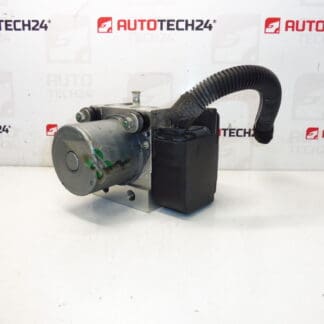
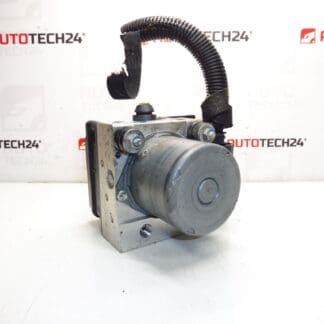
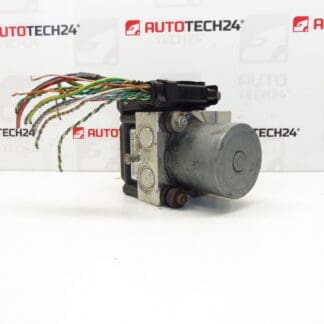
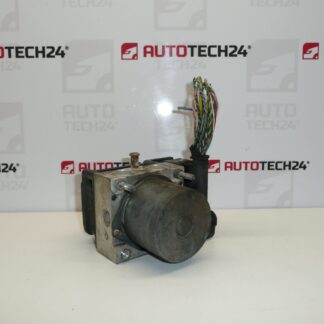
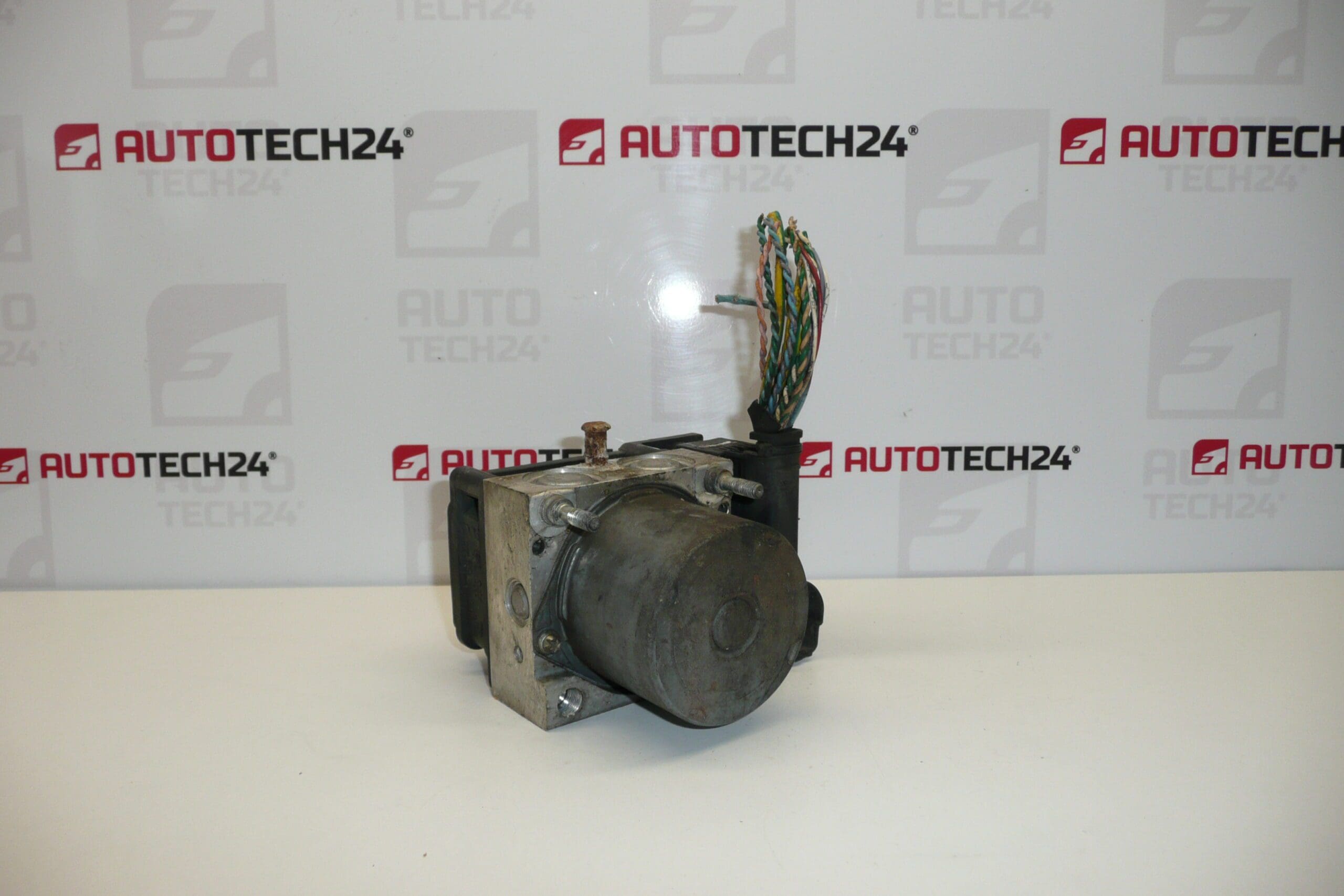
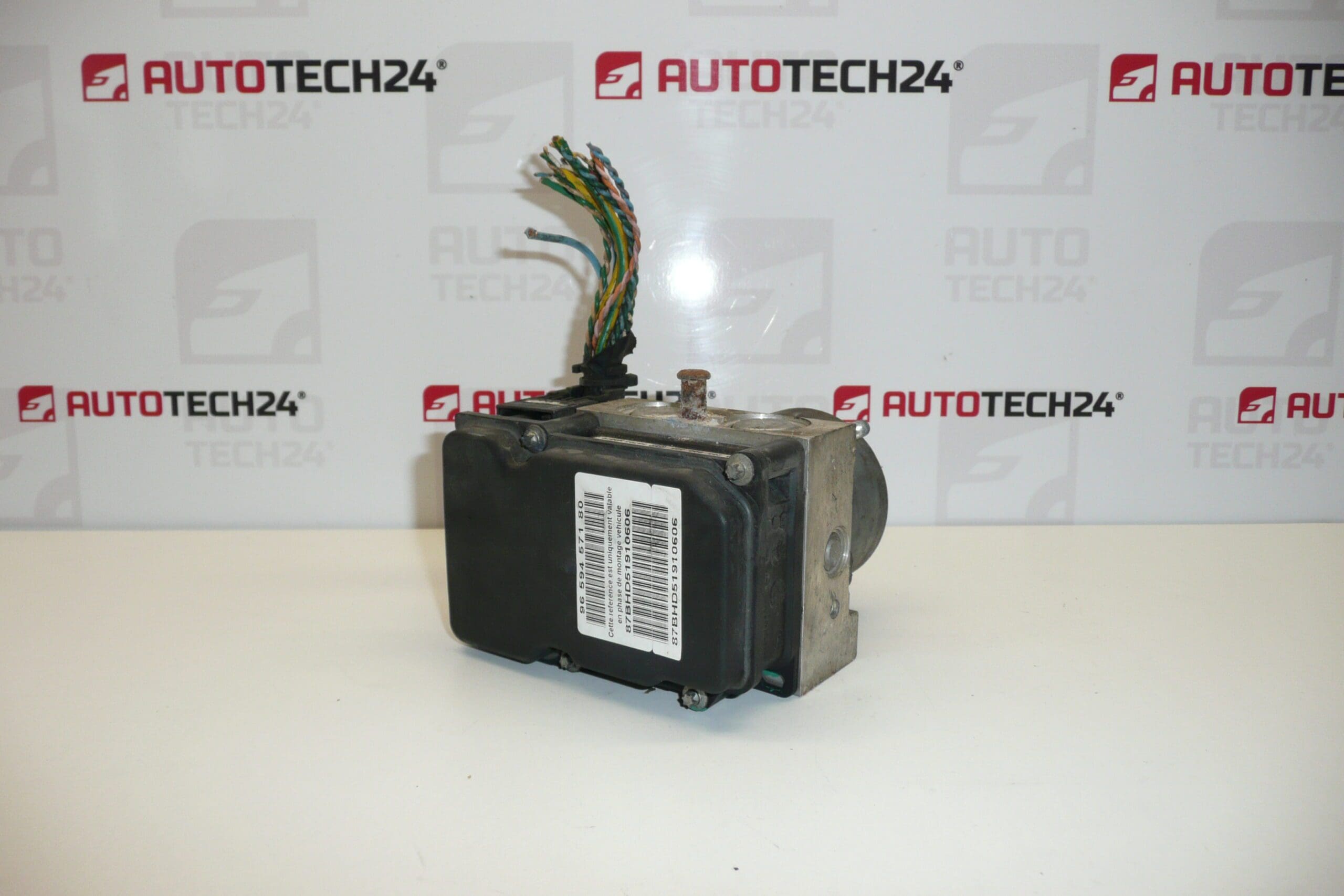
Hydraulic brake control unit for CITROËN C4 and PEUGEOT 307 vehicles. Control module, ABS pump, BOSCH ABS block. Supplied with a section of wiring.
High-quality Bosch ABS hydraulic block designed for Citroën C4 and Peugeot 307 models. This complete assembly includes the ABS control module, pump and a portion of the wiring harness, making it a practical replacement unit for garages and experienced DIYers. Frequently searched by OEM numbers such as 9659457180, 0265800395, and 0265231486, this unit restores anti-lock braking functionality and fault-free ABS communication when installed and commissioned correctly.
Technical Information
- Manufacturer: Bosch
- Model: Citroën C4, Peugeot 307
- Product Codes: 9659457180, 0265800395, 0265231486
- Additional Numbers: 9649988280, 265800395, 4541J1
Function And Benefits
The ABS hydraulic block houses the electronic control unit, pump motor and hydraulic valves that modulate brake pressure during ABS intervention. It prevents wheel lockup under heavy braking, improves vehicle stability and shortens stopping distance in slippery conditions. Replacing a faulty ABS unit restores proper brake pressure modulation, eliminates persistent ABS fault codes and removes warning lamp indications when the system is correctly bled and reset.
How It Is Replaced
- Disconnect Battery Before Work: Always disconnect the negative battery terminal to avoid electrical damage and unintended pump activation.
- Access And Remove: Locate the ABS hydraulic block in the engine bay (usually adjacent to the brake master cylinder), disconnect the electrical connector(s) and the brake lines, and unbolt the unit from its bracket. Retain sealing washers and replace them if damaged.
- Install New Unit: Fit the replacement unit, tighten hydraulic fittings to manufacturer torque values, reconnect the wiring harness and secure all fasteners.
- Bleed Brake System: Perform a complete brake bleeding procedure to remove air from the system. Use a pressure/vacuum bleeder or follow the vehicle manufacturer’s sequential bleeding method.
- Diagnostics And Reset: After bleeding, clear ABS fault codes and run the ABS pump priming/bleeding routine with a compatible diagnostic tool to fully initialize the unit.
Installation Recommendations
- Always Disconnect The Battery Before Removing The Unit To Prevent Damage.
- Use New Sealing Washers On Brake Lines And Replace Any Damaged Hoses.
- Tighten Brake Line Fittings To Manufacturer Torque Values To Prevent Leaks.
- Perform A Thorough Brake Bleed Immediately After Installation To Avoid Air In The System.
- Use A Diagnostic Tool Compatible With PSA Vehicles (e.g., DiagBox) To Clear Codes And Confirm Proper Operation.
Why This Part Most Commonly Fails
- Corrosion And Moisture Ingress: Salt and moisture accelerate corrosion of hydraulic channels and electrical connectors, leading to valve sticking or electrical faults.
- Pump Motor Wear: The electric pump can wear out after extended use, producing noise or failing to build pressure.
- Contamination: Brake fluid contamination or debris can clog valves and damage internal components.
- Electrical Connector Issues: Corroded or loose connectors cause intermittent faults and communication errors with the ABS ECU.
- Impact Damage: Collisions or strong impacts near the master cylinder area can damage the hydraulic block or mounting points.
Notes For Mechanics And DIYers
This unit is commonly identified and ordered by OE numbers (e.g., 9659457180, 0265800395, 0265231486). Suitable for Citroën C4 and Peugeot 307 platforms. After physical replacement, complete bleeding and a diagnostic check are essential to restore full ABS functionality and remove stored fault codes. If unsure about torque settings, bleeding sequences or diagnostic procedures, consult factory repair literature or a qualified technician.