Description
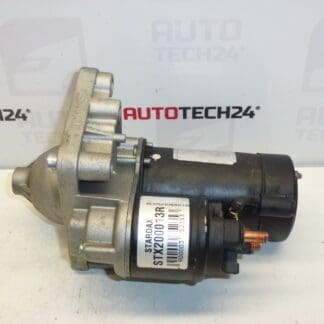
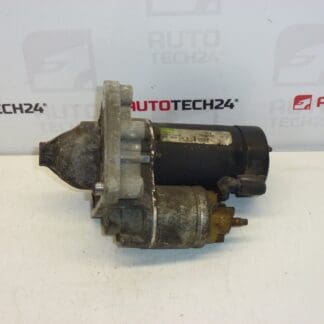
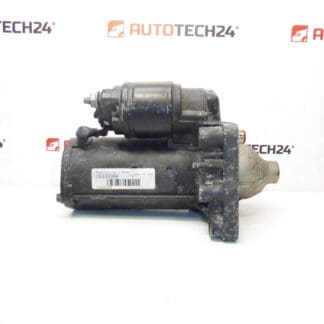
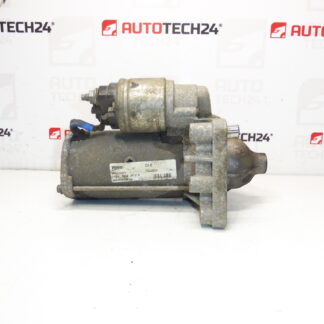
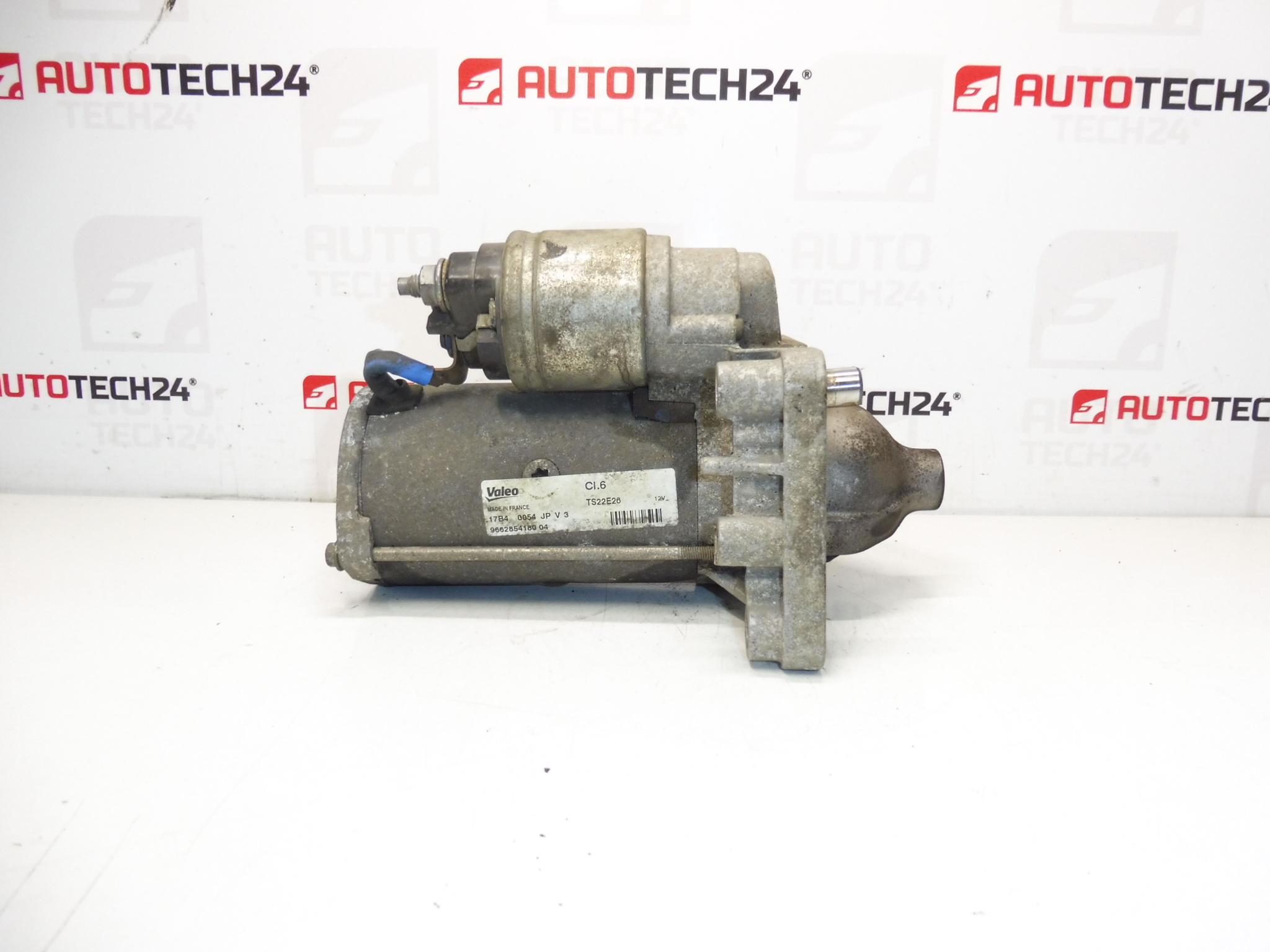
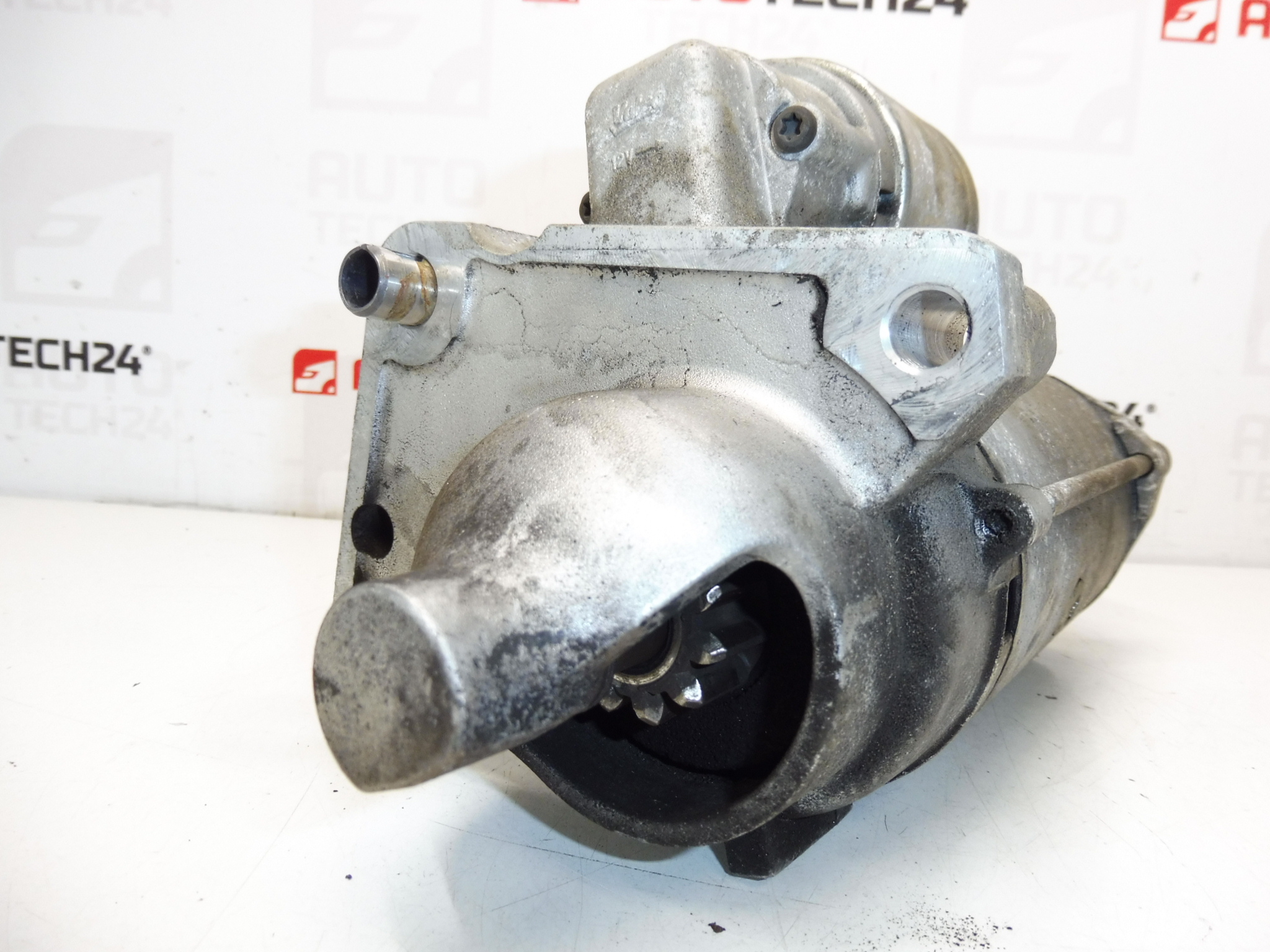
Starter VALEO TS22E26 CL6 for 1.4 HDI, 1.5 HDI and 1.6 HDI. Used Part With A Functional Guarantee. Voltage: 12 V. Number Of Teeth: 11.
The Valeo TS22E26 CL6 starter is a direct-fit solution for a range of Stellantis diesel engines (1.4 HDi, 1.5 HDi, 1.6 HDi) used in many Citroën and Peugeot models. This used unit is supplied with a guarantee of functionality and is an economical choice for workshops and DIY mechanics looking to restore reliable starting performance. Key search terms: Valeo Starter TS22E26, CL6 Starter, 12V Starter, Citroën Peugeot HDi Starter, 5802AE, 9662854180, 9646694080.
Technical Information
- Manufacturer: Valeo
- Model: TS22E26 CL6
- Product Codes: 5802AE, 5802AF, 5802CE
- Additional Numbers: 9646694080, 9662854180
- Voltage: 12 V
- Number Of Teeth: 11
- Condition: Used Part With Functional Guarantee
Compatibility
Commonly fitted to the following models and engine families: Citroën Berlingo, Citroën C4, Citroën Xsara Picasso, Peugeot 207, Peugeot 307, Peugeot Partner. Designed for 1.4 HDi, 1.5 HDi and 1.6 HDi diesel engines. Ensure the part numbers listed above match the unit being replaced.
Function And Common Failures
The starter motor engages the engine flywheel to crank the engine at ignition. Typical failure modes include worn pinion gear or flywheel teeth, failed solenoid, electrical wear in brushes and commutator, seized bearings, and poor electrical connections (corroded battery terminals or earth straps). Heat, contamination and high cranking loads accelerate wear.
Installation Recommendations
- Disconnect the negative battery terminal before starting work to avoid short circuits.
- Gain safe access to the starter (under the vehicle or through the engine bay depending on model) and support the vehicle securely on stands.
- Label and photograph electrical connections before removal to ensure correct reassembly.
- Remove the power cable and the solenoid connector, then unfasten the mounting bolts and withdraw the starter.
- Inspect the flywheel ring gear for damaged teeth and check the condition of the wiring harness and earth straps.
- Replace mounting bolts if corroded or stretched and tighten to the manufacturer’s torque specification (refer to the vehicle repair manual).
- After fitting, verify starter engagement and listen for abnormal noises; check battery voltage and starter current draw if issues persist.
Why The Part Most Often Fails
Starters on HDi diesel vehicles commonly fail due to cumulative wear from frequent cold starts, contamination (oil or debris), heat exposure near the exhaust or turbocharger, degraded brushes and bearings, or from electrical problems such as a weak battery or poor earth connections. Mechanical damage to the ring gear or pinion engagement is also a frequent cause.
Replacement Procedure And Time
Basic replacement steps: safely lift and support the vehicle, disconnect battery, remove electrical connectors and mounting bolts, extract old starter, fit replacement and reconnect cables. Typical fitment time ranges from 0.5 to 2 hours depending on vehicle layout and any obstacles (intake piping, heat shields, etc.). Always follow the vehicle manufacturer’s procedure and torque data.