Description
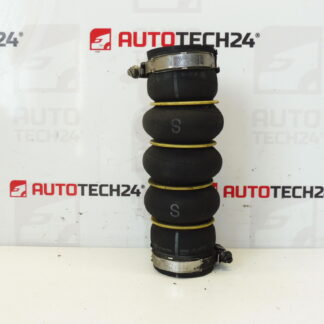
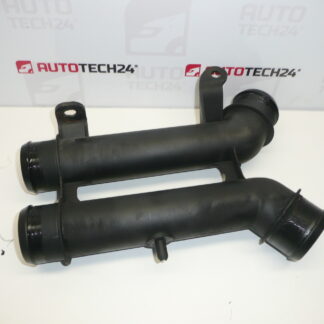
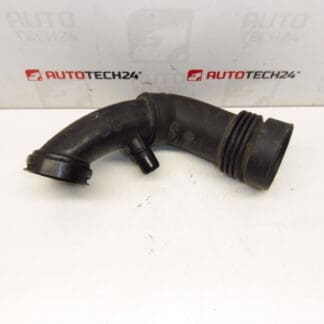
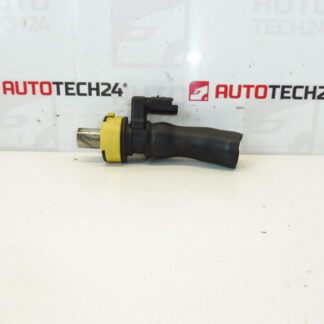
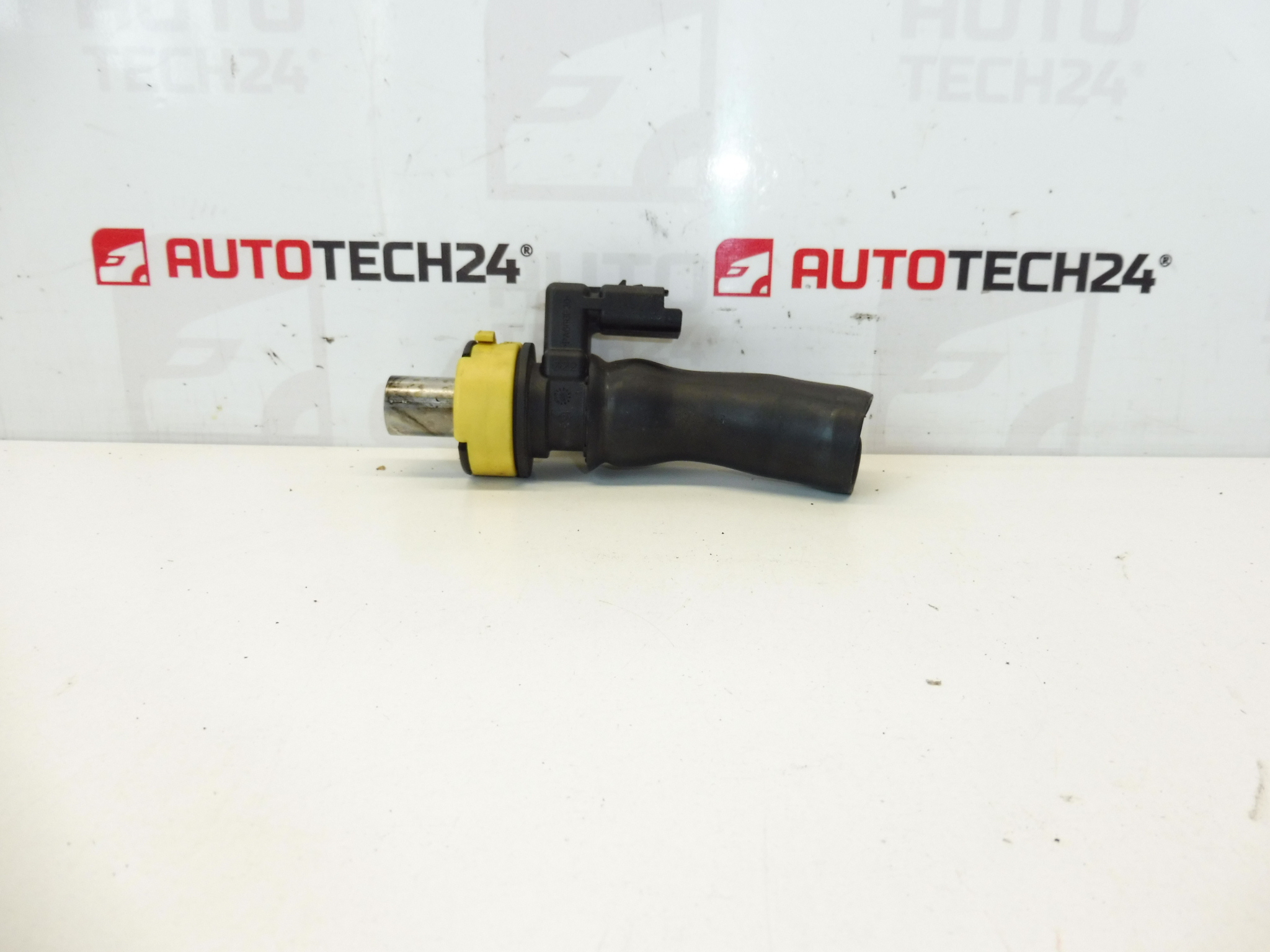
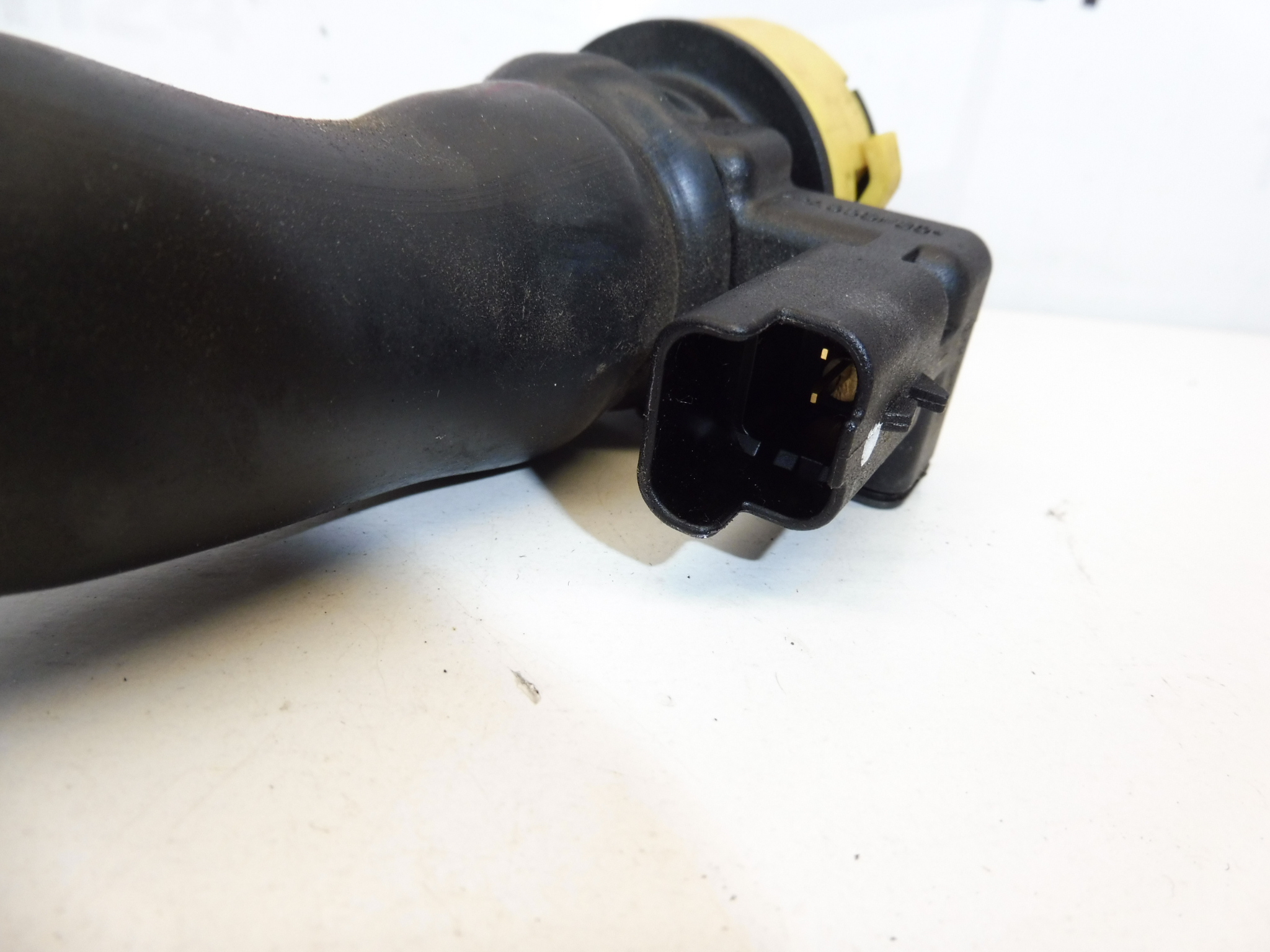
Turbo intake connection 1.6 e‑HDI for Citroën and Peugeot vehicles.
This direct-fit turbo intake connection for the 1.6 e‑HDI engine provides a reliable link between the turbocharger and the intake system. Designed for easy identification by OE numbers (9673593680, 9677815380, 1434H0), it is a commonly searched replacement part for Citroën and Peugeot models. Ideal for professional workshops and competent DIY mechanics, the part restores proper boost pressure, reduces turbo lag and eliminates hissing or loss of power caused by air leaks in the intake tract.
Function
The intake connection routes pressurised air from the turbocharger into the intake manifold or intercooler piping. It must maintain an airtight seal under boost, tolerate heat and oil vapour, and remain flexible enough to absorb engine movement without cracking. Any leak at this joint degrades engine performance and can trigger fault codes related to boost control.
Technical Information
- Manufacturer: Stellantis / Citroën / Peugeot
- Model: Citroën Berlingo B9, Citroën C3 Picasso, Citroën C4 II, Citroën C4 Picasso II, Peugeot 308, Peugeot Partner Tepee
- Product Codes: 9673593680, 9677815380, 1434H0
- Other Numbers: 1434.H0
How To Replace
Replacement is straightforward for an experienced mechanic: raise and secure the vehicle if required, remove the airbox or intake ducting to access the turbo intake connection, loosen the hose clamps, carefully disconnect any attached pipes or vacuum lines, remove the old connection and fit the new one in the correct orientation. Ensure mating surfaces are clean, use new clamps if the originals are corroded or deformed, and tighten clamps securely without over-torquing. After installation, start the engine and inspect for boost leaks while revving gently; road-test the vehicle to confirm restored response.
Mounting Recommendations
- Use Quality Clamps: Replace single-use or corroded clamps with OEM-style worm or constant-tension clamps to ensure a reliable seal.
- Inspect Adjacent Components: Check intercooler hoses, clamps and vacuum lines for wear while the system is open.
- Clean Mating Surfaces: Remove oil residue and dirt from pipe ends to prevent leaks.
- Correct Orientation: Fit the connection exactly as the original to avoid stress and premature failure.
- Leak Check: After mounting, run the engine and check for hissing or boost pressure loss under load.
Why This Part Fails
- Ageing And Heat: Rubber or composite materials harden, crack or lose elasticity from continuous exposure to heat cycles.
- Oil Contamination: Excess crankcase vapour or turbo oil leaks soften or degrade the material, accelerating failure.
- Mechanical Stress: Poorly fitted clamps, misaligned pipes or excessive engine movement cause splits at connection points.
- Corroded Clamps: Failing or loose clamps allow pressurised air to escape, masking the condition until larger leaks develop.
Signs Of Failure
- Loss Of Power And Increased Turbo Lag
- Audible Hissing Or Whistling Under Acceleration
- Check Engine Light Related To Boost Control
- Visible Cracks, Hardening Or Oil Soaking On The Hose
Notes For Professionals
Mechanics who search by OE numbers will find this part listed under 9673593680, 9677815380 and 1434H0. Use these codes when ordering to ensure quick identification and compatibility with the listed Citroën and Peugeot models. Regular inspection of turbo inlet hoses during scheduled maintenance helps avoid roadside failures and protects turbocharger longevity.