Description
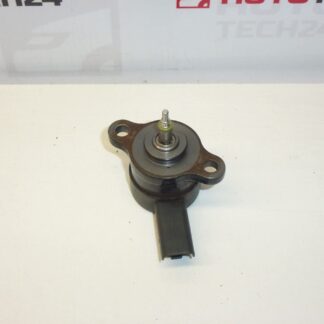
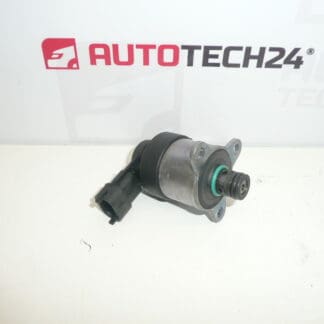
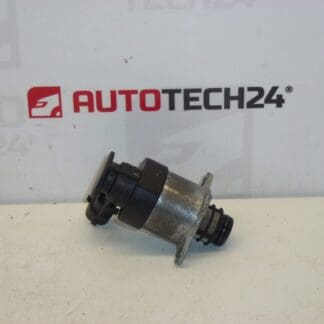
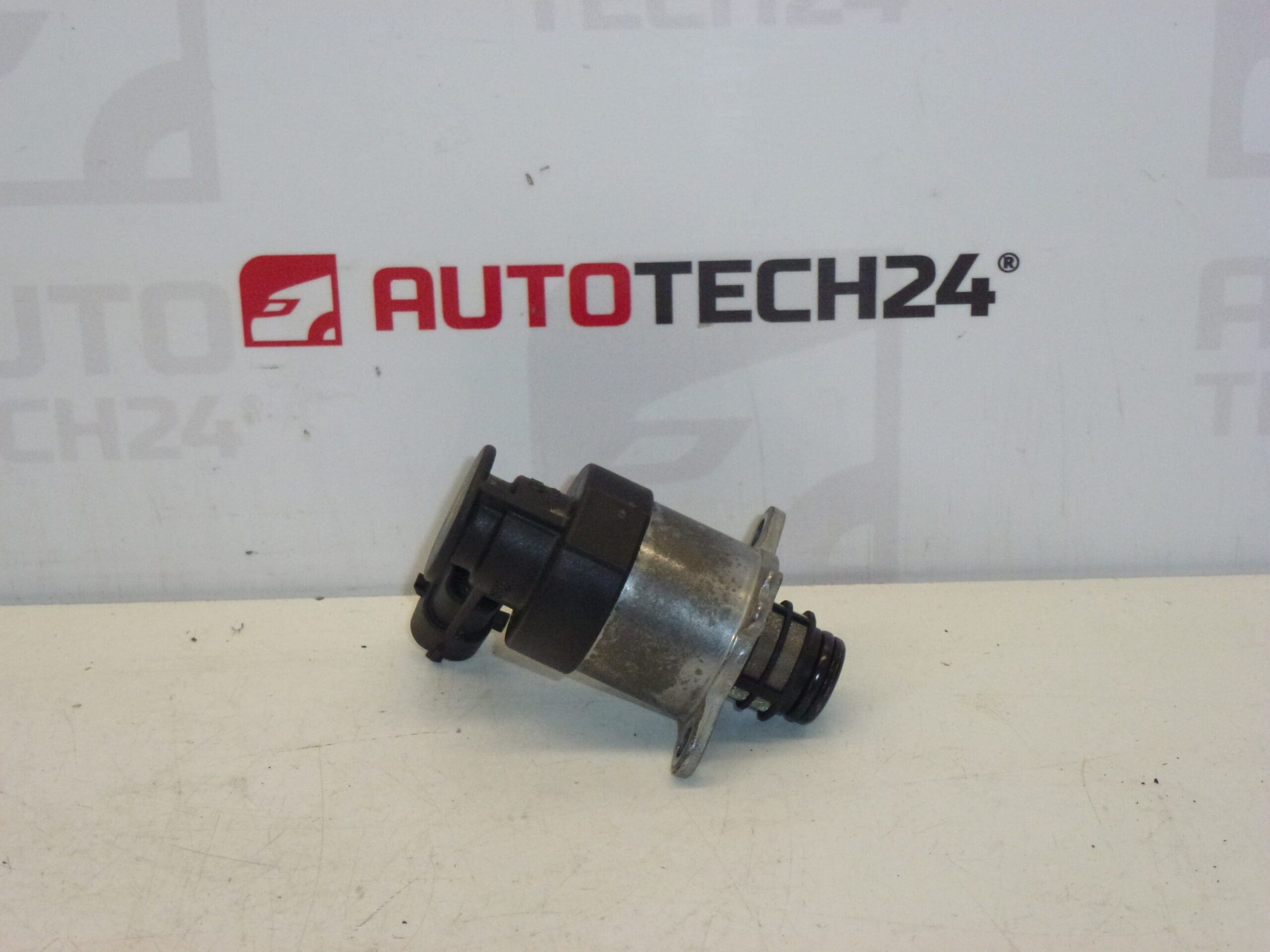
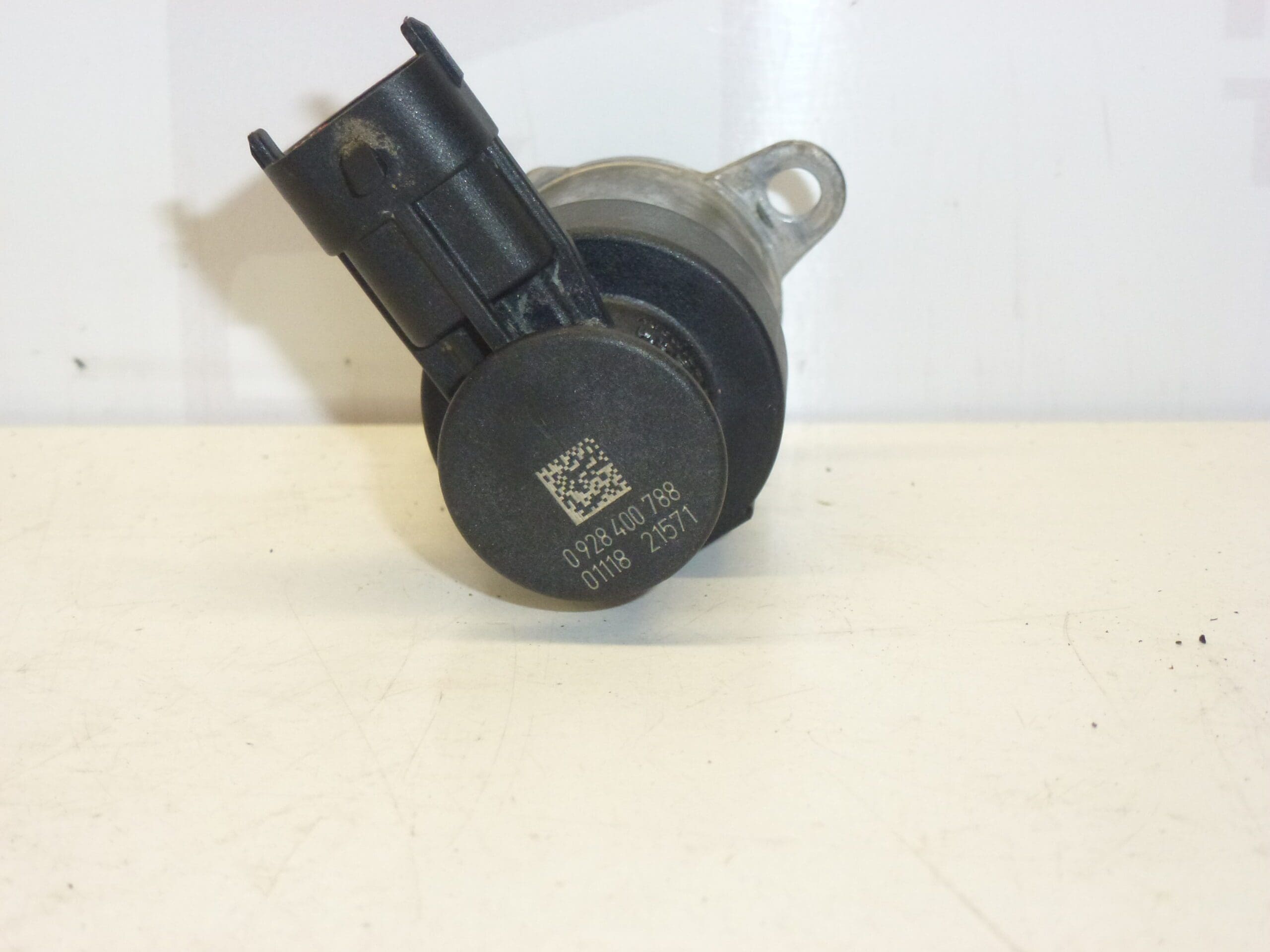
Bosch Fuel Pressure Regulator For 1.4 eHDI, 1.6 eHDI And TDCi Engines Of Citroën, Peugeot And Ford Vehicles.
This Bosch fuel pressure regulator (part number 0928400788) is a direct replacement designed for common-rail diesel engines 1.4 eHDI, 1.6 eHDI and various TDCi applications used in Citroën, Peugeot and Ford models. Ideal for workshops and experienced DIY mechanics, the unit restores correct rail pressure control, improves engine response and eliminates common running faults caused by a failing regulator. Common search terms include 0928400788, 1609343880 and 9806448980 — include these codes when checking fitment.
Why You Need It
The fuel pressure regulator controls fuel rail pressure by returning excess fuel to the tank and ensuring stable pressure for the injectors. A faulty regulator can cause hard starting, rough idle, loss of power, increased fuel consumption and soot emission. Replacing a worn or clogged regulator restores proper fuel metering and smooth engine operation.
Installation Overview
- Preparation: Work in a well-ventilated area, relieve fuel system pressure before disconnecting lines and wear appropriate safety equipment (gloves, eye protection).
- Access: Gain access to the common-rail fuel rail and regulator by removing engine covers or intake components as needed for the specific model.
- Disconnect: Carefully disconnect the electrical connector and fuel return line. Catch any escaping diesel and avoid open flames.
- Replace: Remove the mounting fasteners, swap the regulator and replace all sealing O-rings or gaskets with new parts rated for diesel use.
- Reassembly: Reconnect lines, secure fasteners to manufacturer recommendations, prime the fuel system and check for leaks. Start the engine and verify stable rail pressure and smooth idle.
Technical Information
- Manufacturer: Bosch
- Model: Fuel Pressure Regulator For 1.4 eHDI / 1.6 eHDI / TDCi Engines
- Product Codes: 0928400788, 1609343880, 9806448980
- Additional Numbers: 928400788 (cross reference)
Compatible Models (Examples)
- Citroën Berlingo B9
- Citroën C3 Picasso
- Citroën C4 II
- Peugeot 308
- Peugeot Partner Tepee
- Selected Ford TDCi Models (common-rail applications)
Common Failure Reasons
- Contamination From Dirty Fuel: Particles and deposits can block the regulator valve or ports and prevent correct pressure regulation.
- Wear And Internal Valve Sticking: Mechanical wear or varnish can make the valve stick, causing high or low rail pressure.
- Seal Or O-Ring Degradation: Leaking seals cause pressure loss or fuel leakage at the regulator.
- Fuel System Faults Upstream/Downstream: Clogged filters, failing lift pumps or injector issues can overload the regulator and accelerate failure.
Recommendations For Installation
- Always Replace Seals: Fit new O-rings/gaskets when installing the new regulator to ensure leak-free operation.
- Cleanliness Is Crucial: Work in a clean environment and avoid introducing dirt into the fuel rail — contamination is the most common cause of premature failure.
- Prime And Leak-Test: After fitting, prime the fuel system, run the engine and inspect for leaks and correct pressure behaviour before road testing.
- Use Correct Tools: Avoid damaging fuel lines and connectors — use line wrenches and torque tools as required.
Why This Part Fails Most Often
The predominant cause is fuel contamination — particles or degraded fuel deposits restrict valve movement or clog the regulator ports. Secondary causes are aging seals that allow internal leakage and prolonged exposure to poor fuel quality or moisture. Addressing fuel filtration and replacing seals during installation significantly extends service life.
Fitment And Purchasing Tips
When searching, include OEM part numbers (0928400788 / 1609343880 / 9806448980) and key model names to find the correct unit quickly. For workshop supply, this regulator is a common direct-fit Bosch component for many PSA and Ford diesel applications.
Order now to restore reliable rail pressure control and eliminate fuel-pressure-related drivability issues. If you are an experienced mechanic or competent DIYer, follow the installation steps above; when in doubt, consult factory service documentation for model-specific procedures.