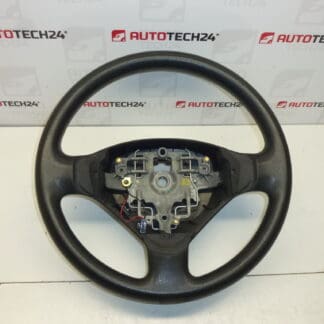
Steering wheel Peugeot 206+ 207 96866877 4109GZ 4109ll

42.00

Dog Citroen Peugeot
96866877 4109GZ 4109ll

3 in stock

SKU: 3636-F11_K38 Categories: , , , Tags: , ,

Description

Steering wheel for PEUGEOT 206+, 207
cars
Color HZD- – BLACK MISTRAL

Part description

Original used steering wheel for Peugeot 206+ and Peugeot 207 cars in BLACK MISTRAL (HZD-) design. Suitable as a replacement for damage to the original steering wheel (rim wear, damaged surface or aesthetic defects) and for quickly restoring the interior to good condition without unnecessary compromises.

Part numbers are often searched for 96866877, 4109GZ and 4109LL – we recommend comparing them to your original steering wheel.

Technical information

  • Manufacturer: PSA Citroën Peugeot
  • Model: Peugeot 206+; Peugeot 207
  • Other numbers: 4109GZ, 4109LL
  • Type of part: steering wheel (interior)
  • Color: HZD- – BLACK MISTRAL

Product codes

  • Product codes: 96866877, 4109GZ, 4109LL

Installation recommendations

Generally/typically applies to changing the steering wheel (exact steps may vary depending on the specific car design and equipment):

1) Before assembly

  • Compare the new and original part: shape and design of the steering wheel, mounting and part numbers (96866877 / 4109GZ / 4109LL).
  • Check the condition of the used steering wheel: undamaged rim, no cracks, no significant twisting, firm center.
  • If the steering wheel is part of the airbag/control system, work with extreme caution and follow safety procedures (disconnect battery and wait before handling).

2) Necessary tools and materials

  • Normal set of hand tools (ratchet/extension according to design)
  • Suitable screwdrivers / torx bits as fitted
  • Fix/marker for indicating the position of the steering wheel relative to the shaft
  • Cleaning agent and rag for degreasing the contact surfaces (as needed)

3) Step-by-step assembly procedure

  1. Secure the vehicle against movement and align the wheels in a straight line (typically makes it easier to seat the steering wheel correctly).
  2. Disconnect the battery and wait a reasonable time before working in the steering wheel area (safety principle when handling the airbag system).
  3. Dismantle the elements that prevent access to the steering wheel attachment (typically covers/fixings depending on the design).
  4. If an airbag is present, remove it according to the design and disconnect the connectors carefully without using force.
  5. Mark the relative position of the steering wheel and the steering shaft (to maintain the correct position after assembly).
  6. Release and remove the central steering wheel mount.
  7. Remove the steering wheel from the steering shaft smoothly and without prying so as not to damage the surrounding parts and connectors.
  8. Install the new steering wheel, make sure it is seated exactly according to the markings and that it fits correctly.
  9. Fit and tighten the central attachment according to the manufacturer’s normal practice (without specifying specific moments).
  10. Reconnect all connectors and install the removed parts (including the airbag, if included).
  11. Connect the battery.
  12. Perform a basic function check of the related elements (according to the car’s equipment).
    • 4) Post-assembly checks and test drive/function verification

      • Check that the steering wheel sits straight when driving straight and there is no play in the mounting.
      • Make sure nothing rubs on both sides at full speed.
      • After a short test drive, visually check the fastening and condition of the surrounding covers again.

      5) The most common assembly mistakes + how to avoid them

      • Not marking the position of the steering wheel → the steering wheel may then be crooked; always make marks before disassembly.
      • Rough handling of connectors → risk of contact damage; disconnect/connect the connectors without force.
      • Undertightened or overtightened mounting → use the correct tools and procedure according to common practice.
      • Working without safety precautions → always follow a safe procedure when an airbag is present (disconnect the battery and wait).

      Reasons why the part is damaged

      • Wear of the rim surface (scratching, shiny spots, cracking) due to long-term use.
      • Mechanical damage – abrasions and scratches when getting in/out or handling in the interior.
      • Influence of the sun and temperatures – material degradation, change in appearance and surface defects.
      • Improper disassembly/assembly – damage to fasteners, covers or related elements when inappropriate tools are used.

Additional information

Weight 1.9 kg