Description
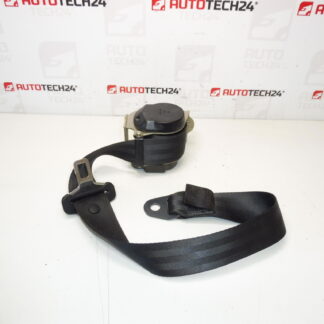
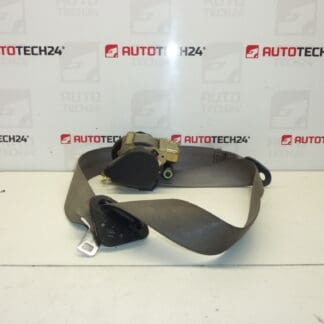
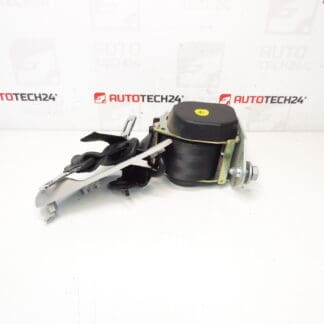
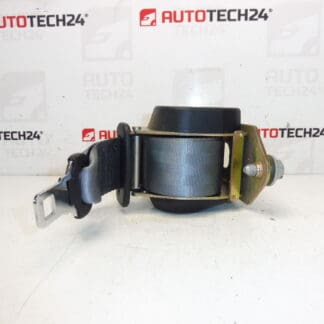
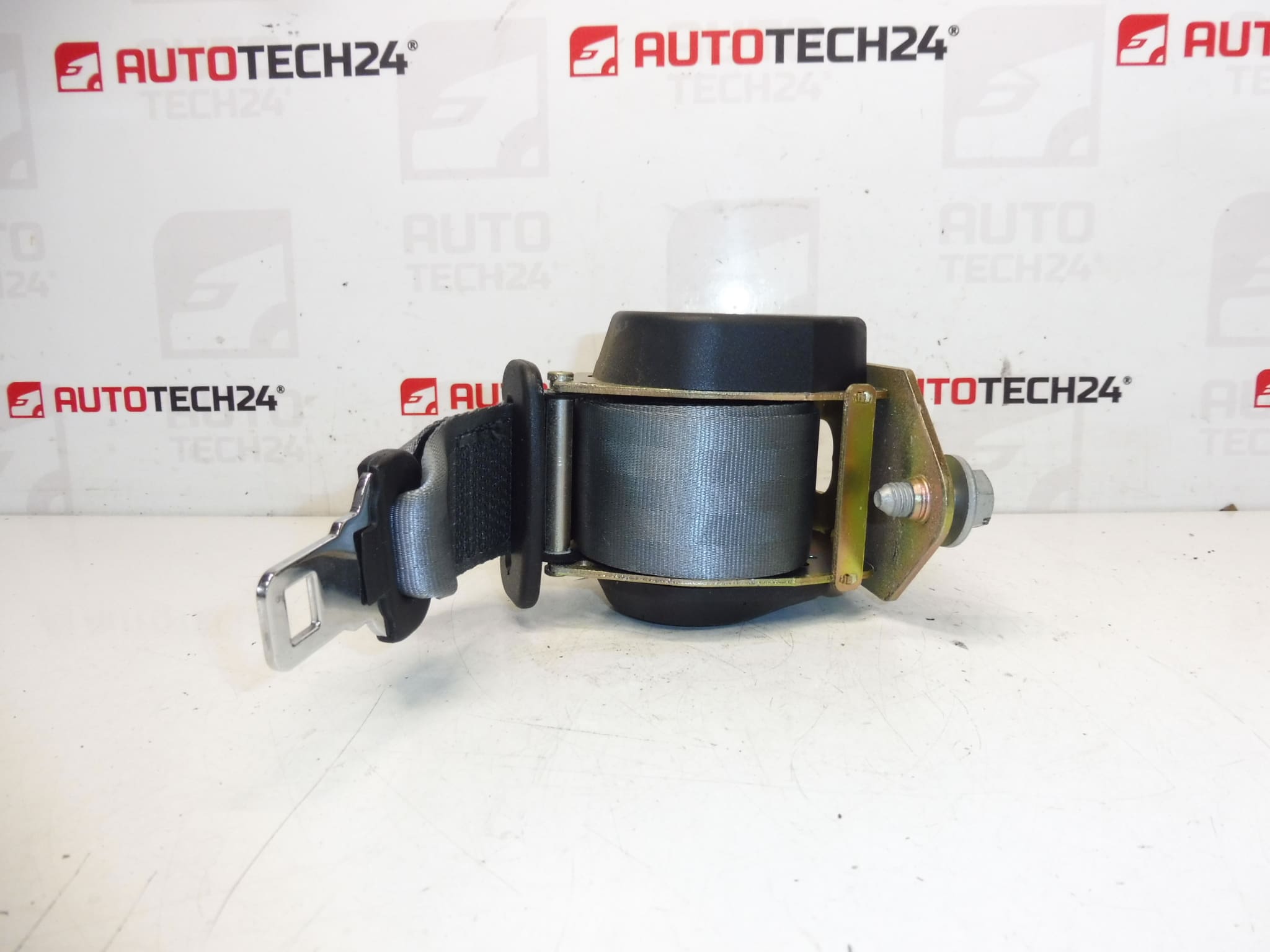
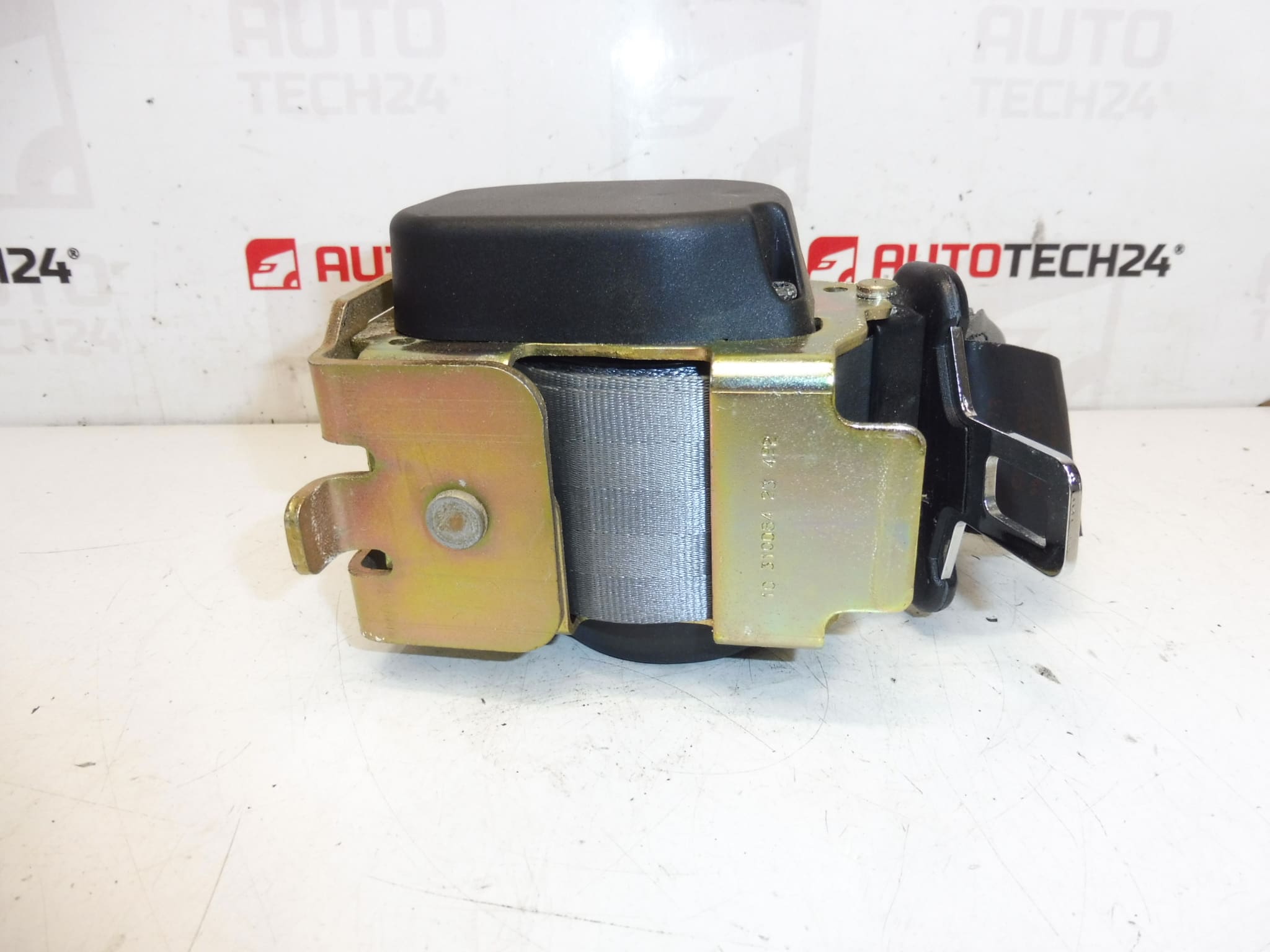
Center Rear Seat Belt Citroën Xsara Picasso. Middle position behind the driver and front passenger. Color FGW – DIGIMAT.
This center rear seat belt is a direct-fit safety component for the Citroën Xsara Picasso, designed to restore proper occupant restraint in the middle rear seating position. Ideal for professional mechanics and DIY enthusiasts, the belt comes with OEM-identical mounting points and webbing finish FGW – DIGIMAT to match the vehicle interior. Commonly searched by product codes 96314478GW and 8973LC, this part helps maintain safety compliance after wear or damage.
Function And Benefits
The seat belt restrains the middle rear occupant in the event of a collision or sudden deceleration. It prevents forward movement and reduces the risk of injury by distributing forces across the pelvis and chest. Benefits of replacing a worn or damaged belt include restored locking function, properly guided webbing, and secure anchorage to the vehicle chassis.
Fitment And Compatibility
Fits: Citroën Xsara Picasso (middle rear seating position). Check the product codes listed below when searching or ordering to ensure correct fit. This belt is intended to replace the factory unit in the center rear location behind the driver and front passenger.
How To Replace
Basic replacement steps (for experienced technicians):
- Park vehicle on level ground, engage parking brake and remove ignition key.
- Always disconnect the vehicle battery before starting work and follow the manufacturer’s safety procedures.
- Remove interior trim panels that cover the belt retractor and lower anchor points to access mounting bolts.
- Unbolt the upper guide/anchor, lower anchor, and the retractor assembly (retain any spacers or washers).
- Install the new belt in the correct orientation, ensuring webbing is not twisted and the buckle engages freely.
- Tighten all fasteners to the manufacturer’s specified torque values and reinstall trim panels.
- Verify belt pays out smoothly and locks under a sharp pull. Perform a functional check before returning the vehicle to service.
Recommendation For Installation
Installation should be performed by a qualified technician or an experienced DIYer familiar with vehicle interior trim and safety restraints. Always use the correct torque settings for anchor bolts and replace any corroded fasteners. If the vehicle is equipped with pyrotechnic pretensioners, follow the manufacturer’s prescribed procedures and safety precautions.
Why This Part Fails Most Often
Common causes of seat belt failure include:
- Wear And Fraying Of The Webbing — Caused By Age, Frequent Use Or Abrasion Against Sharp Edges.
- Locking Mechanism Jam Or Spring Failure — Retractor May Cease To Operate Smoothly After Dirt Ingress Or Mechanical Wear.
- Corroded Or Damaged Anchor Bolts — Exposure To Moisture Can Weaken Fasteners And Mounting Points.
- Damage From Collisions — After An Accident, The Belt Can Be Stretched Or The Retractor Mechanism Compromised; Replace Rather Than Reuse.
Technical Information
- Manufacturer: Citroën / Stellantis
- Model: Xsara Picasso (Center Rear)
- Product Codes: 96314478GW, 8973LC
- Other Numbers: NFP
- Color: FGW – DIGIMAT
- Position: Center Rear (between Driver And Front Passenger)