Description
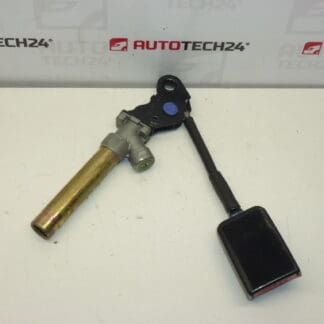
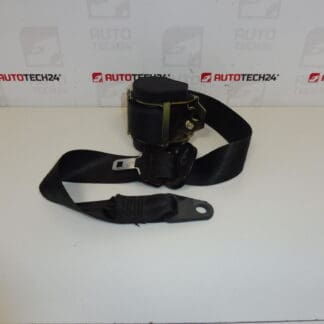
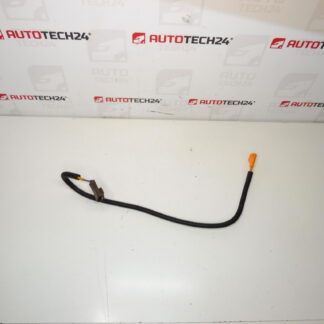
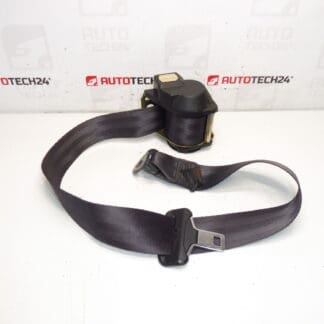
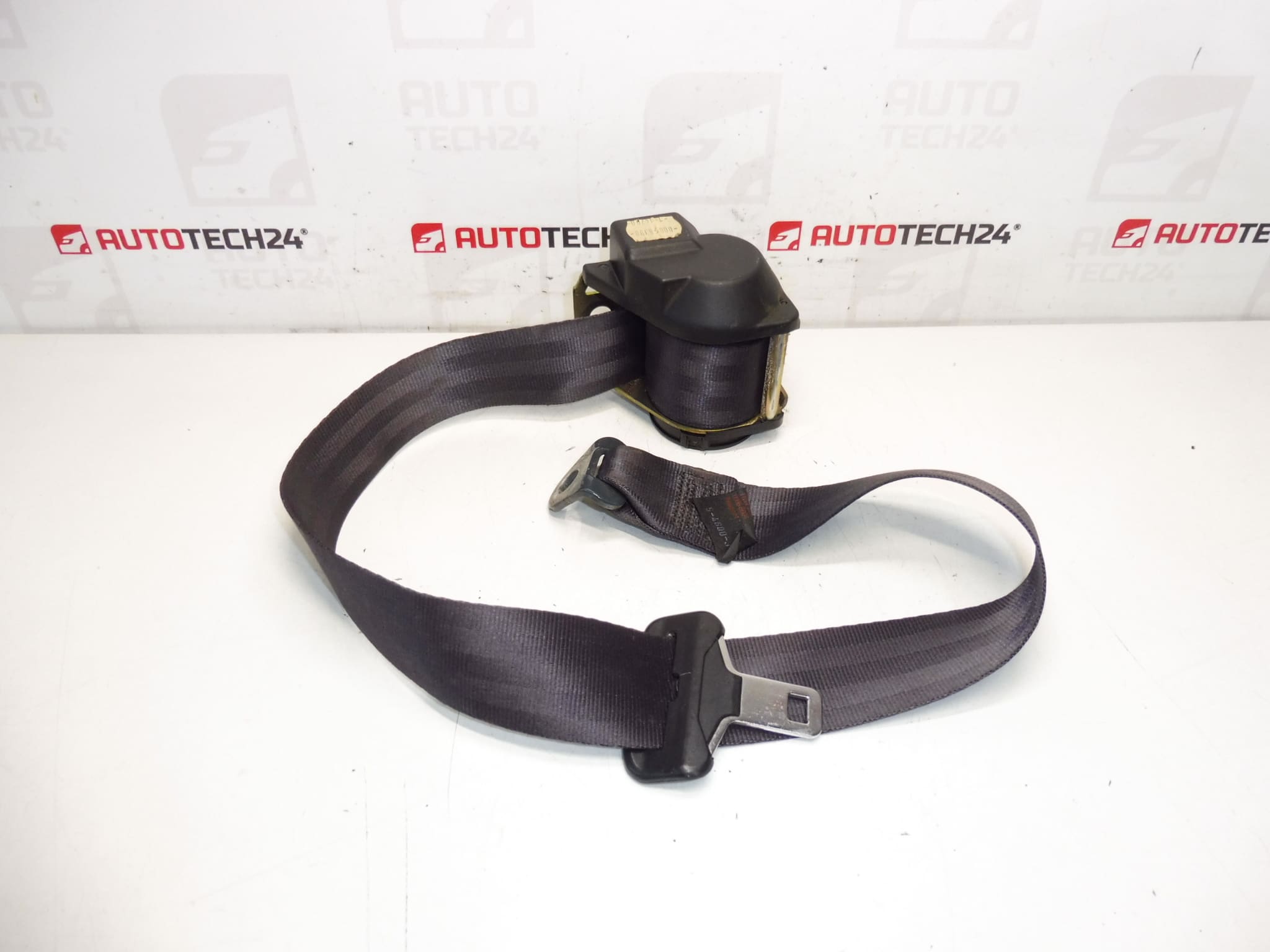
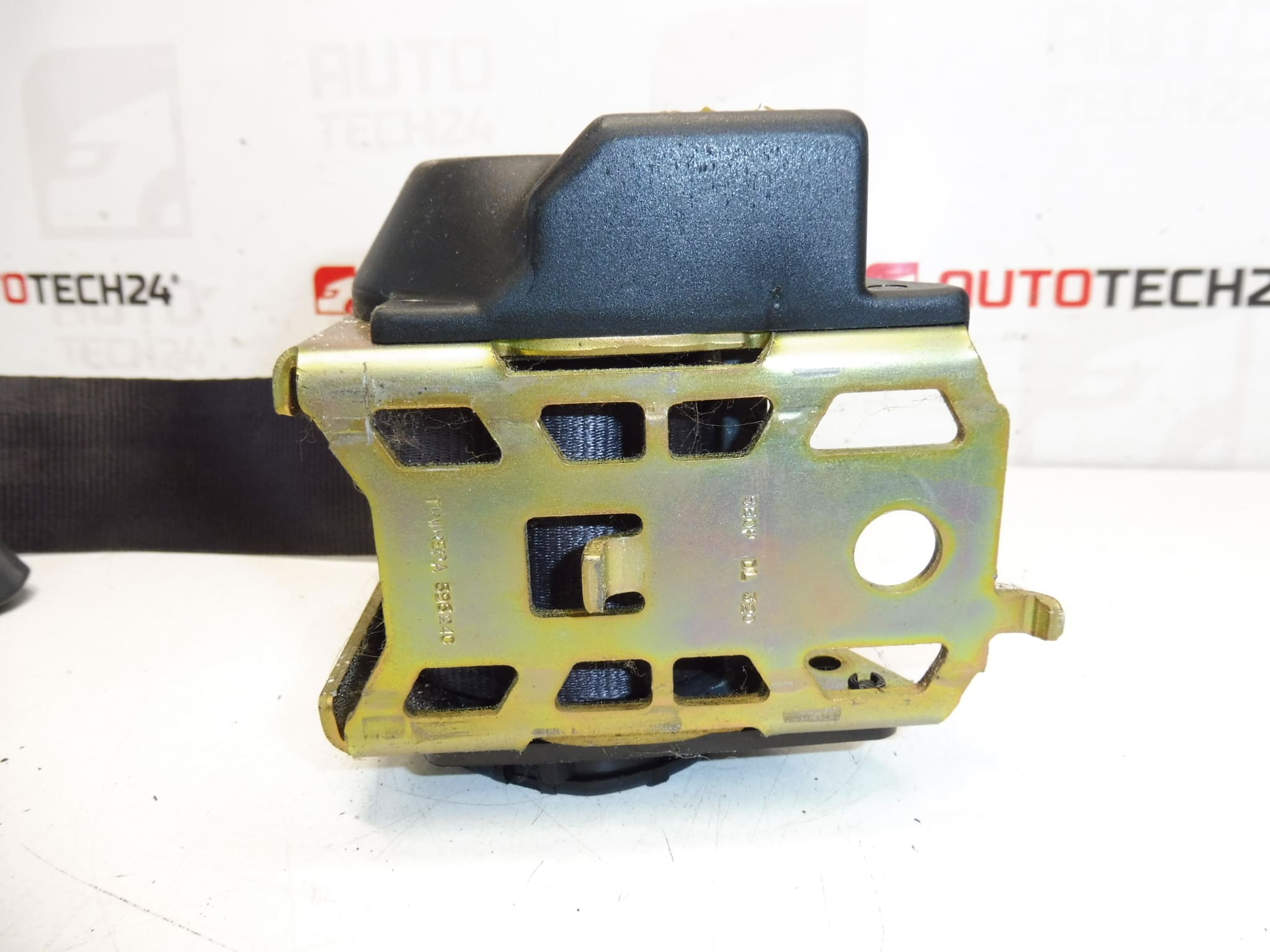
Right rear seat belt behind the passenger for Peugeot 406. Color: FXX Black.
Product Description
Replacement right rear seat belt (passenger-side rear) designed for Peugeot 406. This belt is supplied in FXX Black and is intended as a direct-fit replacement for the original equipment. Ideal for professional workshops and competent DIY mechanics who search by part number (e.g. 8974EC) to locate the correct component quickly.
Technical Information
- Manufacturer: Stellantis / Peugeot
- Model: Peugeot 406
- Product Codes: 8974EC, NFP
- Additional Numbers: N/A
Function And Typical Features
The seat belt is a three-point restraint that secures the rear passenger by using a webbing, retractor and anchor points. The inertia reel locks the belt during rapid deceleration to restrain the occupant, while the webbing and anchor hardware transfer loads into the vehicle structure. Color FXX Black provides an OEM appearance matching many Peugeot 406 interiors.
Installation Recommendations
Follow these general steps and safety precautions when replacing the seat belt:
- Remove interior trim panels to access the retractor and lower anchor points.
- Unbolt the old belt components using the correct sized sockets and keep mounting bolts for inspection—replace if damaged or corroded.
- Fit new belt ensuring webbing is routed without twists and the retractor is oriented correctly.
- Tighten all mounting bolts to the manufacturer’s torque specifications and check that anchors are free of corrosion or deformation.
- Operate the belt several times to confirm smooth extension/retraction and proper locking during a sharp pull test.
Safety Note: If the vehicle is equipped with a pretensioner or pyrotechnic components, disconnect the battery and follow the vehicle manufacturer’s service procedure before starting work. Where doubt exists, have installation performed by a qualified technician.
Reason Why This Part Most Often Fails
- Webbing Wear And Contamination: Fraying, cuts or contamination (dirt, grease) reduce effectiveness and cause jamming.
- Retractor Malfunction: Internal springs, locking pawls or inertia mechanisms can seize due to corrosion or ingress of debris.
- Accident Deployment: Pretensioners deploy in collisions and the belt assembly must be replaced after deployment.
- Corroded Mounting Points: Rusted bolts or anchor points can compromise safe mounting and lead to replacement.
Inspection And Maintenance Advice
Inspect seat belts regularly for cuts, frays, stains or uneven wear. Check that the webbing retracts fully and that the locking mechanism engages during a quick pull. Replace any belt that shows damage or after a vehicle impact. Keep mounting hardware clean and torque bolts to specification during any service.
Search And Compatibility Tips
Common search terms used by mechanics and DIYers: “Peugeot 406 seat belt”, “right rear seat belt Peugeot 406”, “8974EC seat belt”, “FXX Black seat belt”. Searching by the product code 8974EC often yields the fastest match for this exact assembly.