Description
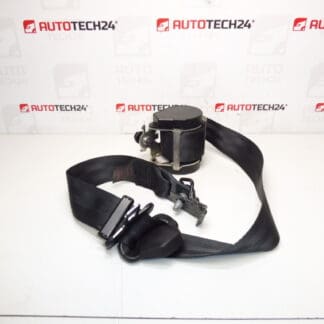
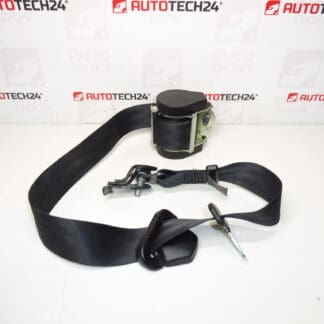
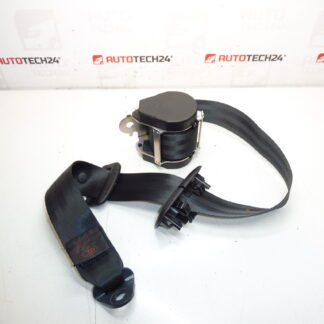
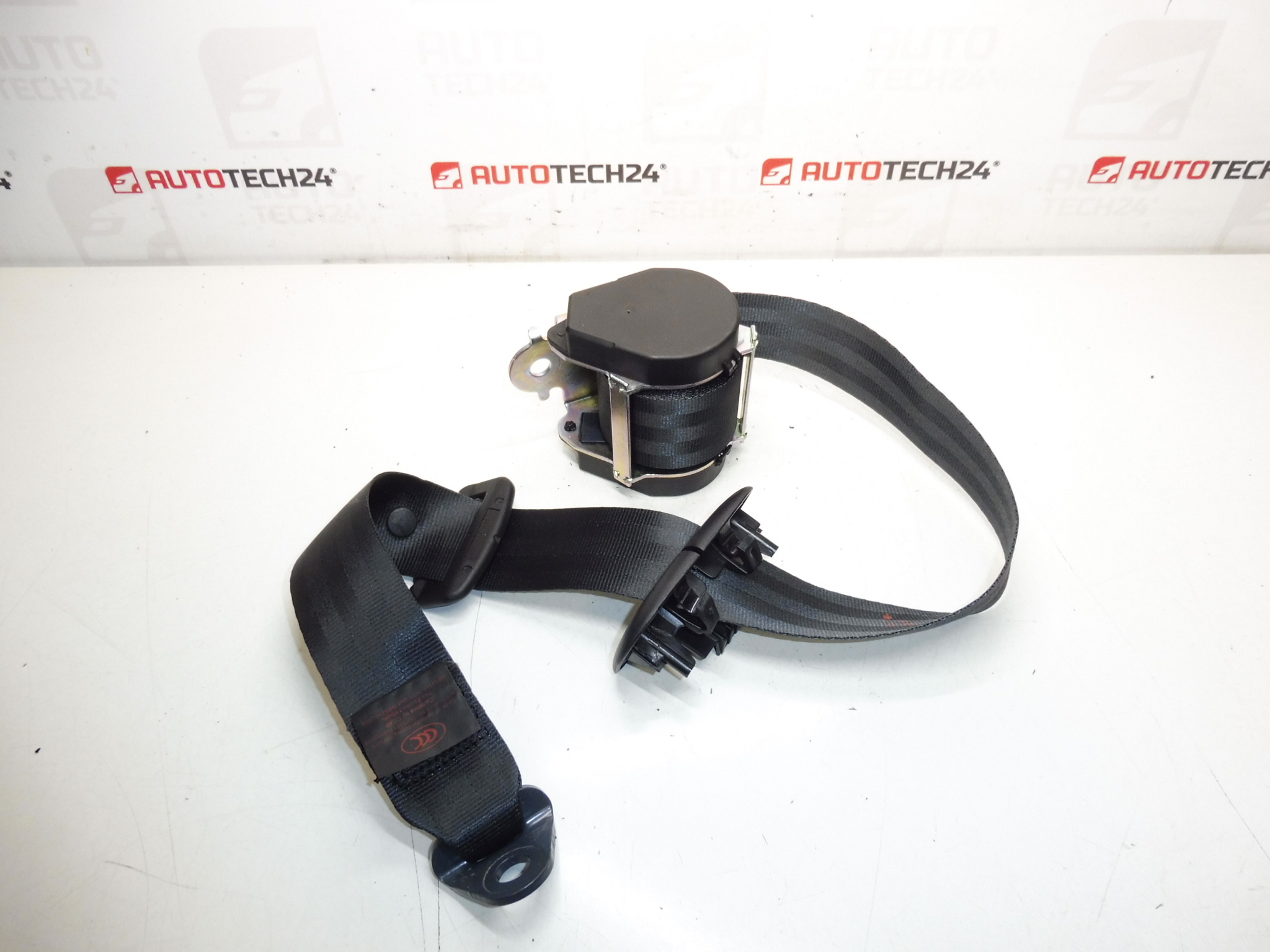
Rear center seat belt for Peugeot 308 T7
Color FXX – Black
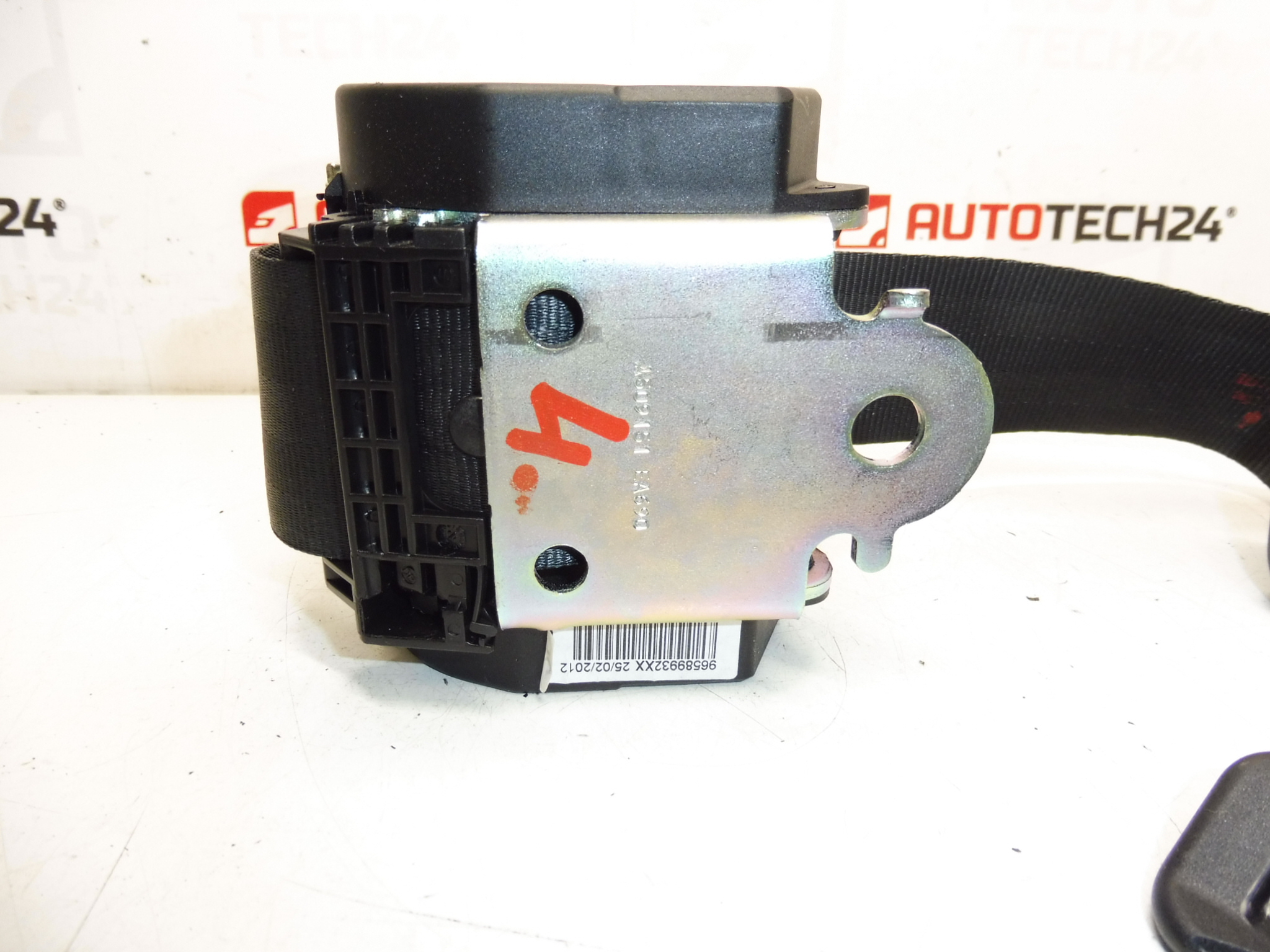
High-quality replacement rear center three-point seat belt designed for Peugeot 308 T7 models. This part corresponds to original equipment specifications and is commonly searched under product codes 96589932XX, 8975L9 and reference 8975GY. Intended for professional workshops and competent DIY mechanics, the assembly restores correct restraint performance for the rear middle passenger and helps maintain vehicle safety standards.
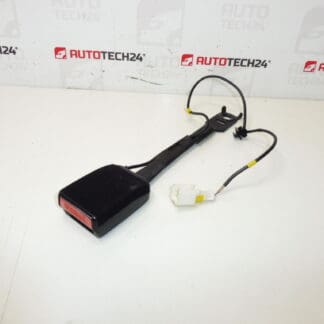
The belt features durable black webbing (Color FXX), reinforced anchor points and an integrated retractor with buckle interface compatible with factory mounting locations. It provides three-point restraint for the center rear seating position and is supplied as a direct replacement for the OEM unit.
Technical Information
- Manufacturer: Stellantis (Peugeot / Citroën)
- Model: Peugeot 308 T7 — Rear Center Seat Belt
- Product Codes: 96589932XX, 8975L9
- Other Numbers: 8975GY
- Color: FXX – Black
Installation Recommendations
Park the vehicle on a level surface and work in a safe, well-lit area. If the belt assembly includes an electronic buckle sensor or pretensioner connected to the SRS system, disconnect the battery and wait the manufacturer-recommended time before beginning work to avoid accidental deployment. Remove interior trim panels as required to access the shoulder and lower anchor bolts. Unbolt the old assembly, disconnect any electrical connectors, and remove the unit. Fit the new belt ensuring the webbing is not twisted and that mounting points align with original positions. Secure bolts to the manufacturer’s torque specification and reconnect any electrical connectors. Verify correct retraction, locking under sudden pull, and buckle engagement. If the assembly contains a pretensioner or sensor, perform an SRS system check with appropriate diagnostic equipment after installation.
Why It Usually Fails
Seat belts commonly fail due to webbing wear or fraying from abrasion, contamination with dirt or chemicals, or mechanical jamming of the retractor. Pretensioners and buckles may become inoperative after a collision or due to internal wear and debris. Long-term exposure to sunlight and contaminants accelerates degradation. As a safety rule, replace any belt that shows visible damage, does not retract smoothly, fails to lock, or has been involved in an impact event.
Maintenance And Expected Service Life
There is no fixed replacement interval for seat belts under normal conditions, but periodic inspection is essential. Replace immediately if webbing is cut, torn, or permanently stretched, if the retractor locks intermittently, or after accident-related pretensioner deployment. Regular cleaning and avoiding exposure to harsh chemicals will extend service life.
Searchable by product codes 96589932XX, 8975L9 and 8975GY — enter these identifiers to quickly find the correct replacement. Suitable for professional fitters and experienced DIY mechanics who follow manufacturer procedures.