Description
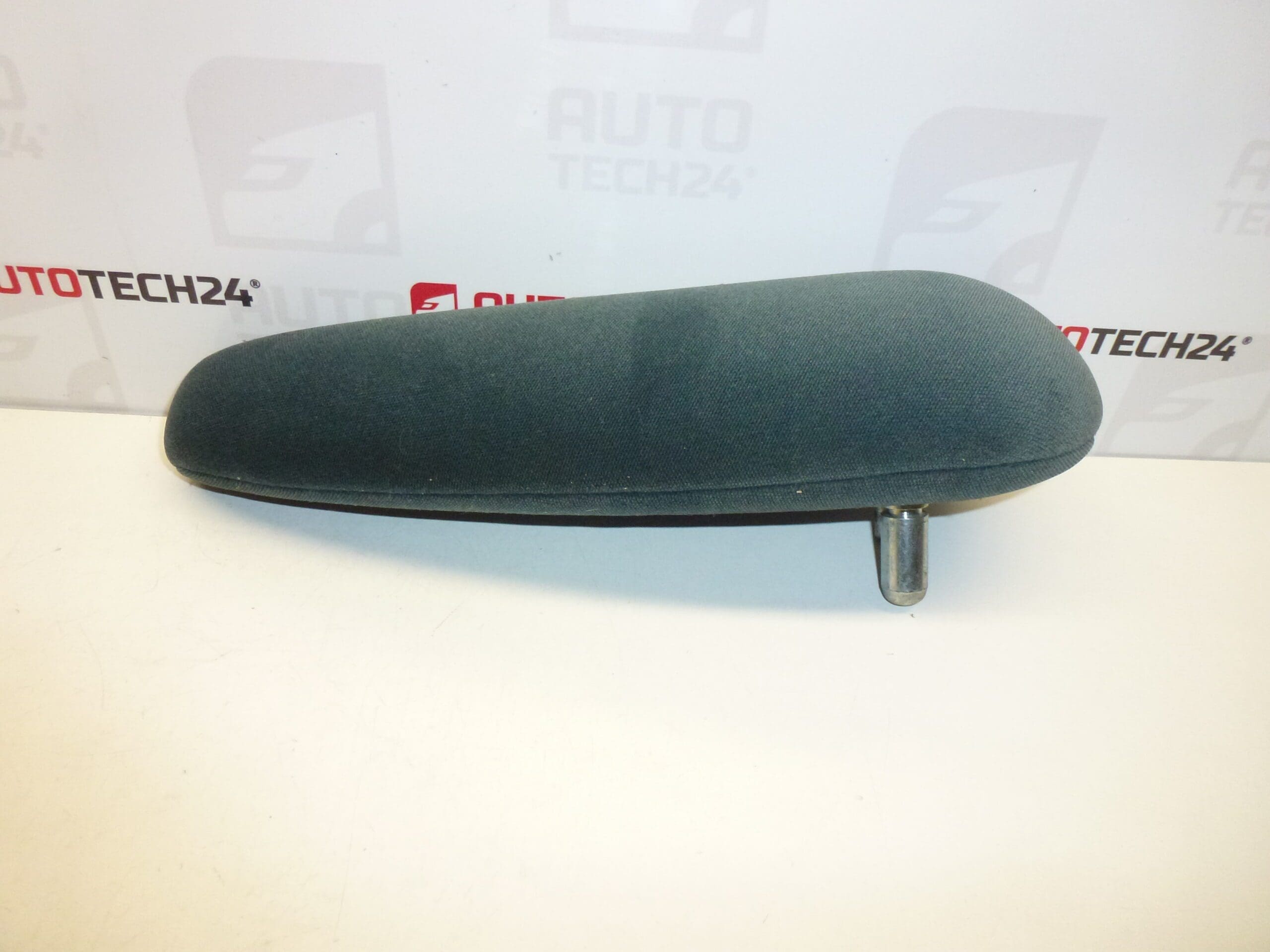
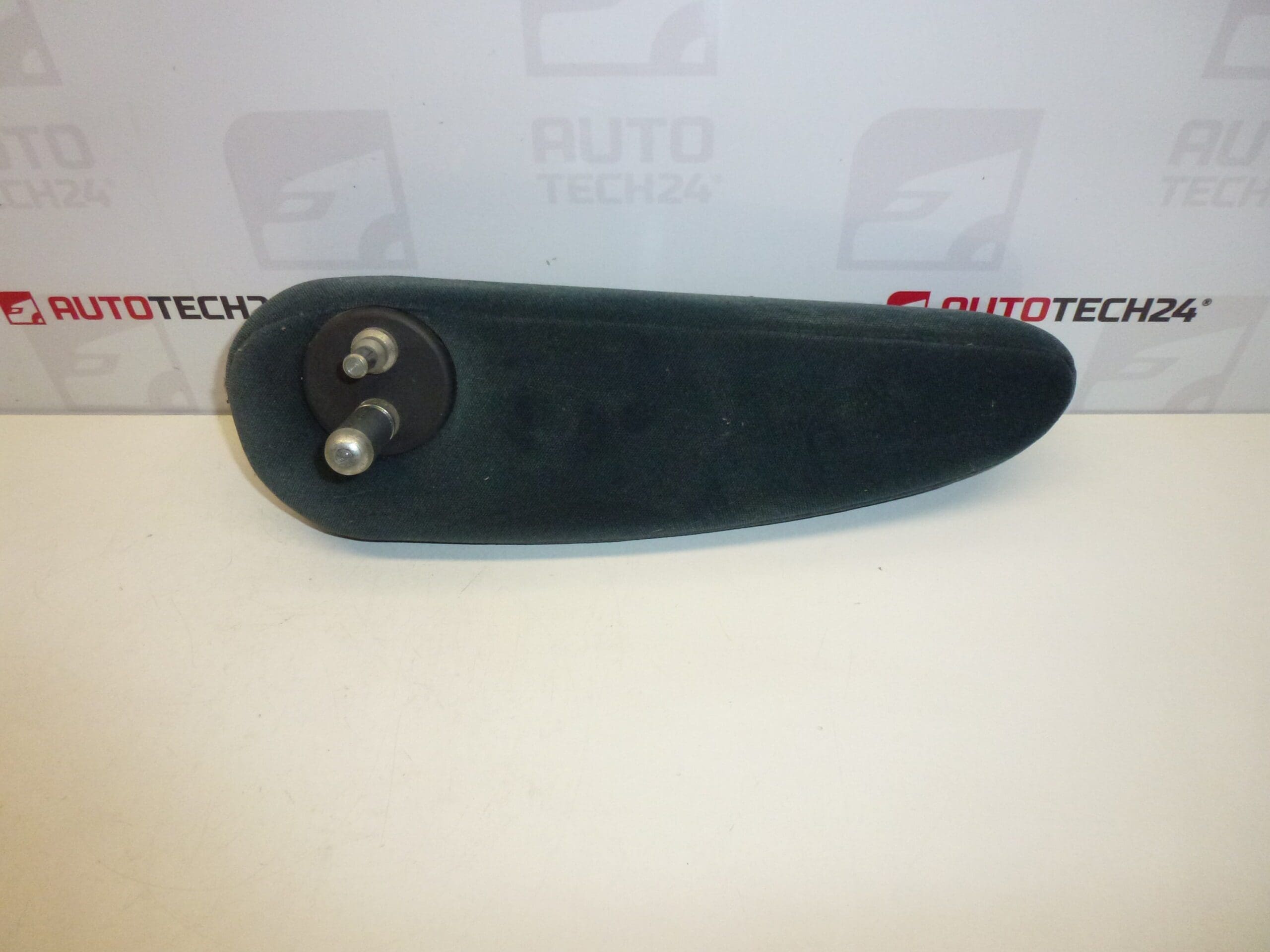
Right Armrest For Passenger Seat Peugeot 307. Version HQD – Green Ascot.
This Right Armrest For Passenger Seat Is A Direct-Fit Interior Component Designed For Peugeot 307. Built To Restore Comfort And Improve Ergonomics On The Front Passenger Side, The Armrest Combines Durable Materials With A Vehicle-Specific Shape To Match Factory Fit And Appearance. Ideal For Professional Garages And DIY Enthusiasts Searching By Part Number (883012), This Armrest Offers A Simple Way To Replace Worn Or Damaged Interior Trim And Keep The Cabin Looking Factory-New.
Features
- Direct-Fit Replacement For Peugeot 307 Passenger Seat.
- Original Style Finish In Green Ascot To Match Interior Trim.
- Robust Hinge And Mounting Points For Daily Use.
- Easy Installation Using Standard Interior Fasteners.
- Part Number Reference: 883012 (common search term For Mechanics And DIYers).
Technical Information
Installation Recommendations
Installation Is Straightforward For A Trained Technician Or Confident DIYer. Typical Steps Include: Remove Any Surrounding Trim Panels, Unscrew The Armrest Mounting Fasteners, Detach The Old Armrest And Transfer Any Required Brackets Or Clips, Fit The New Armrest And Secure Fasteners Evenly. Use Trim Removal Tools To Avoid Damaging Panels And Keep All Original Screws Or Clips For Reuse If Possible. Tighten Fasteners To Manufacturer Specifications Where Available.
Why This Part Most Commonly Fails
Armrests Tend To Deteriorate From Long-Term Mechanical Wear, Repeated Opening/Closing Loads On The Hinge, And Localized Foam Compression Or Upholstery Damage. Exposure To Sunlight, Moisture, Or Heavy Loads Can Cause Fading, Cracking, Or Breakage Of Hinge Clips. Impact From Objects And Improper Use Can Also Lead To Premature Failure.
Replacement Interval And Maintenance
There Is No Fixed Service Interval For An Armrest; Replacement Is Generally Driven By Visible Wear, Broken Hinges, Or Cosmetic Damage That Affects Comfort. Regular Cleaning With Appropriate Interior Cleaners And Avoiding Excessive Loads Extends Service Life. Inspect Mounting Points When Servicing Seats Or Interior Trim.
Practical Tips For Fitment
- Search By Part Number (883012) To Quickly Locate Compatible Units.
- Keep All Fasteners And Clips When Removing The Old Armrest To Ensure Correct Reassembly.
- If The Armrest Mounts To A Seat Frame, Check For Hidden Fasteners Under Seat Covers.
- Use A Torque Wrench Where Possible And Follow Manufacturer Procedures To Avoid Over-Tightening.
Right Armrest 883012 Is A Practical, Cost-Effective Way To Restore Passenger Comfort And Maintain The Original Look Of Your Peugeot 307 Interior. Suitable For Professional Workshops And Do-It-Yourself Repairs, The Part Is Easily Identified By Its Part Number And Vehicle Application.