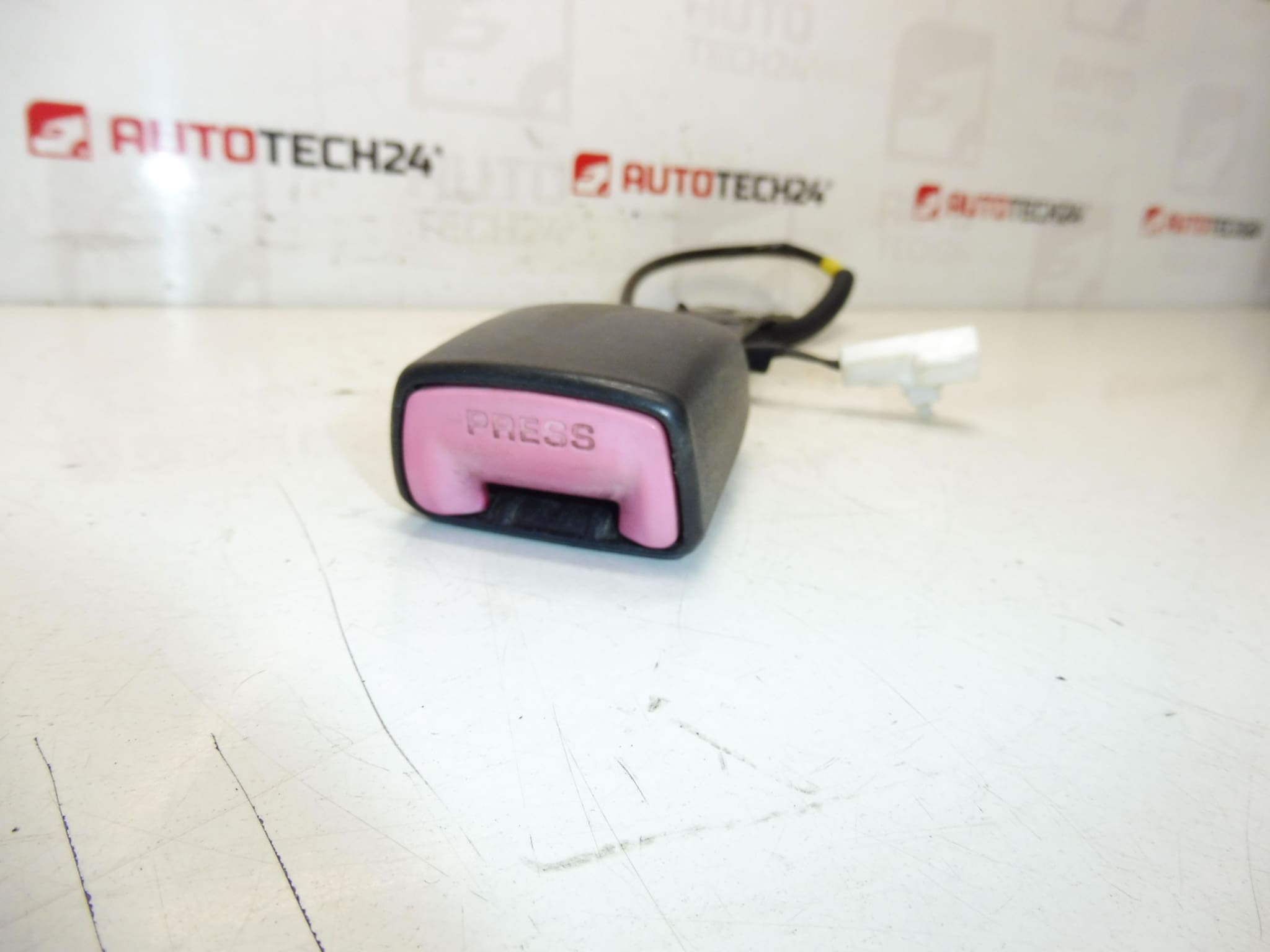
Description
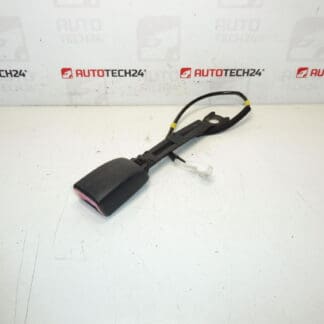
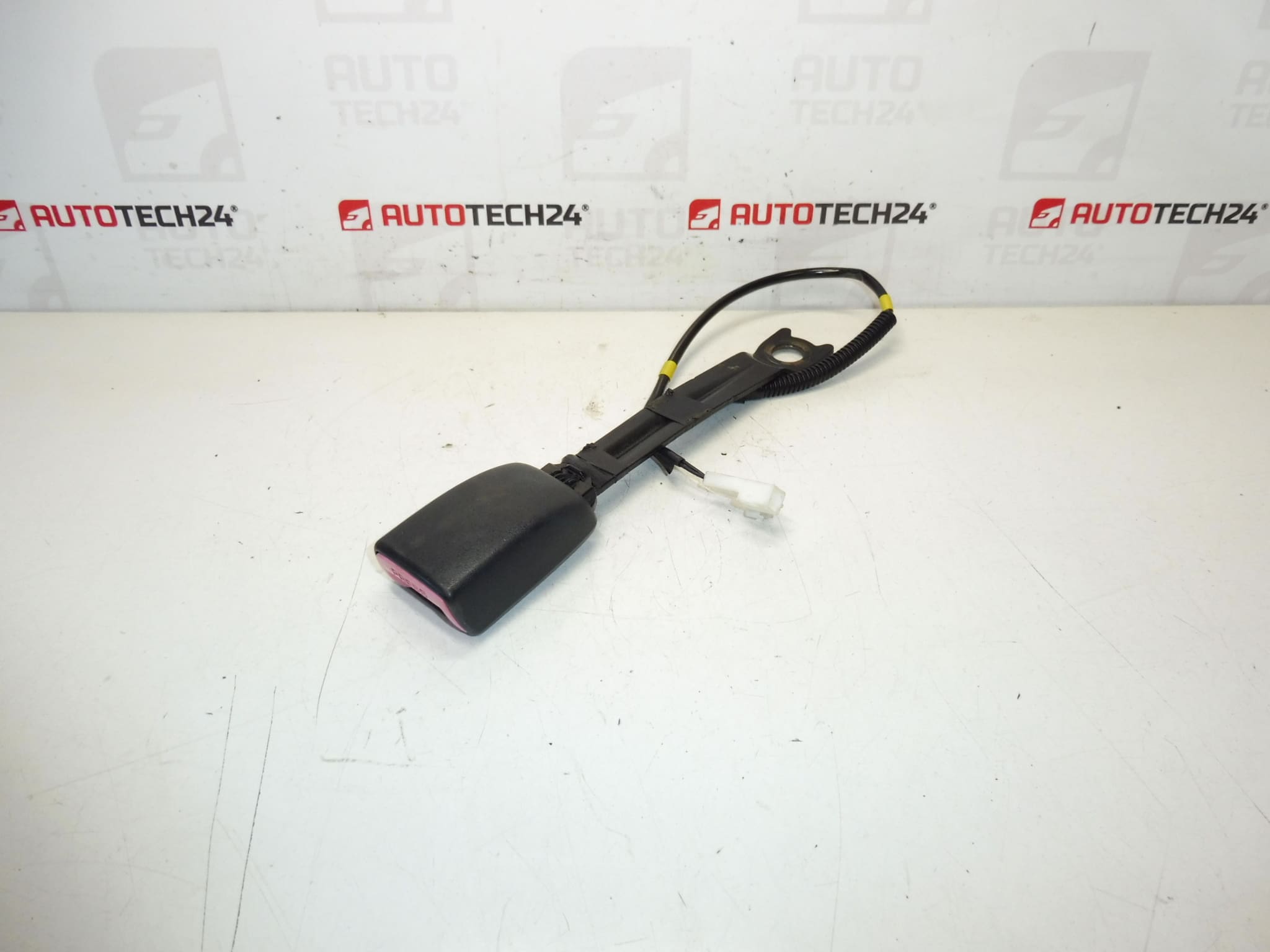
Driver’s passport holder for Citroën C1 Peugeot 107 cars of the first series
With an alarm
Part description
The used driver’s passport holder is designed for Citroën C1 and Peugeot 107 cars. It is an important part of the seat belt system that ensures the correct fit and function of the driver’s side seat belt. Thanks to the design with alarm, the part is part of the equipment that cooperates with the warning about not wearing a seat belt.
This auto part is suitable for mechanics and DIYers who are looking for a spare part according to the exact designation. When repairing the interior and safety features of the car, the correct choice of belt holder is essential not only for functionality, but also for safe use of the vehicle.
Technical information
- Manufacturer: Stellantis Citroën Peugeot
- Model: Citroën C1, Peugeot 107
- Other numbers: 8974LR, 8976N8
Product codes
- Product codes: 8974LR, 8976N8
- Models: Citroën C1, Peugeot 107
Installation recommendations
Generally/typically for this type of part, the exact installation procedure may vary depending on the specific design of the car and interior. With safety elements, it is necessary to proceed carefully, without violence and with an emphasis on checking the correct function after replacement.
1) Before assembly
- Check that the new used part matches the old part in shape, connector, attachment and product marking.
- Compare in particular the presence of the alarm function, if the original part was also equipped with it.
- Inspect plastic and metal parts for cracks, deformation or excessive wear.
- Verify the condition of the electrical connector and contacts if an electrical connection is part of the part.
2) Necessary tools and materials
- A common set of hand tools
- Suitable extensions and keys according to the type of connecting material
- Plastic pry bar for removing interior trim
- Contact cleaner and cloth
- Work gloves and sufficient lighting
3) Step-by-step assembly procedure
- Park the vehicle in a safe place and secure it against movement.
- Disconnect the battery before starting work, especially if the part is part of a system with electrical signaling.
- Access the space around the belt holder by removing the necessary covers or part of the interior trim.
- Disconnect the electrical connector if present on the original part.
- Carefully loosen the fastening of the old belt holder and remove the part without damaging the surrounding parts.
- Compare the original and new part side by side, including fit, shape and markings.
- Clean the seating surfaces and check the condition of the attachment points.
- Place the replacement passport holder in the correct place and attach it in the original way.
- Connect the electrical connector if included in the part.
- Reinstall all removed covers and interior trim.
- Restore power to the vehicle by connecting the battery.
- Test the mechanical function of fastening and releasing the seat belt and verify the possible signaling function.
-
4) Post-assembly checks and function verification
- Check that the belt holder is tight and has no unwanted play.
- Verify smooth engagement and disengagement of the seat belt buckle.
- If the part is equipped with an alarm, check the correct signaling response.
- Do a short test drive and watch for unusual sounds or signal misbehavior.
5) The most common assembly mistakes + how to avoid them
- Exchanging a part by appearance – always compare the product numbers and the connector design.
- Damage to interior trim during disassembly – use suitable plastic tools.
- Insufficient seating of the connector – after connection, check that the joint holds firmly and without play.
- Underestimation of output control – after assembly, always verify both the mechanical function and possible electrical signaling.
- Normal wear and tear from long-term daily use.
- Mechanical stress during frequent fastening and unfastening of the seat belt.
- Contamination of the interior, which can affect the operation of the latch or contacts.
- Damage to plastic parts due to age, temperature changes or careless handling.
- Failure of the electrical part of the signaling in the version with an alarm.