Description
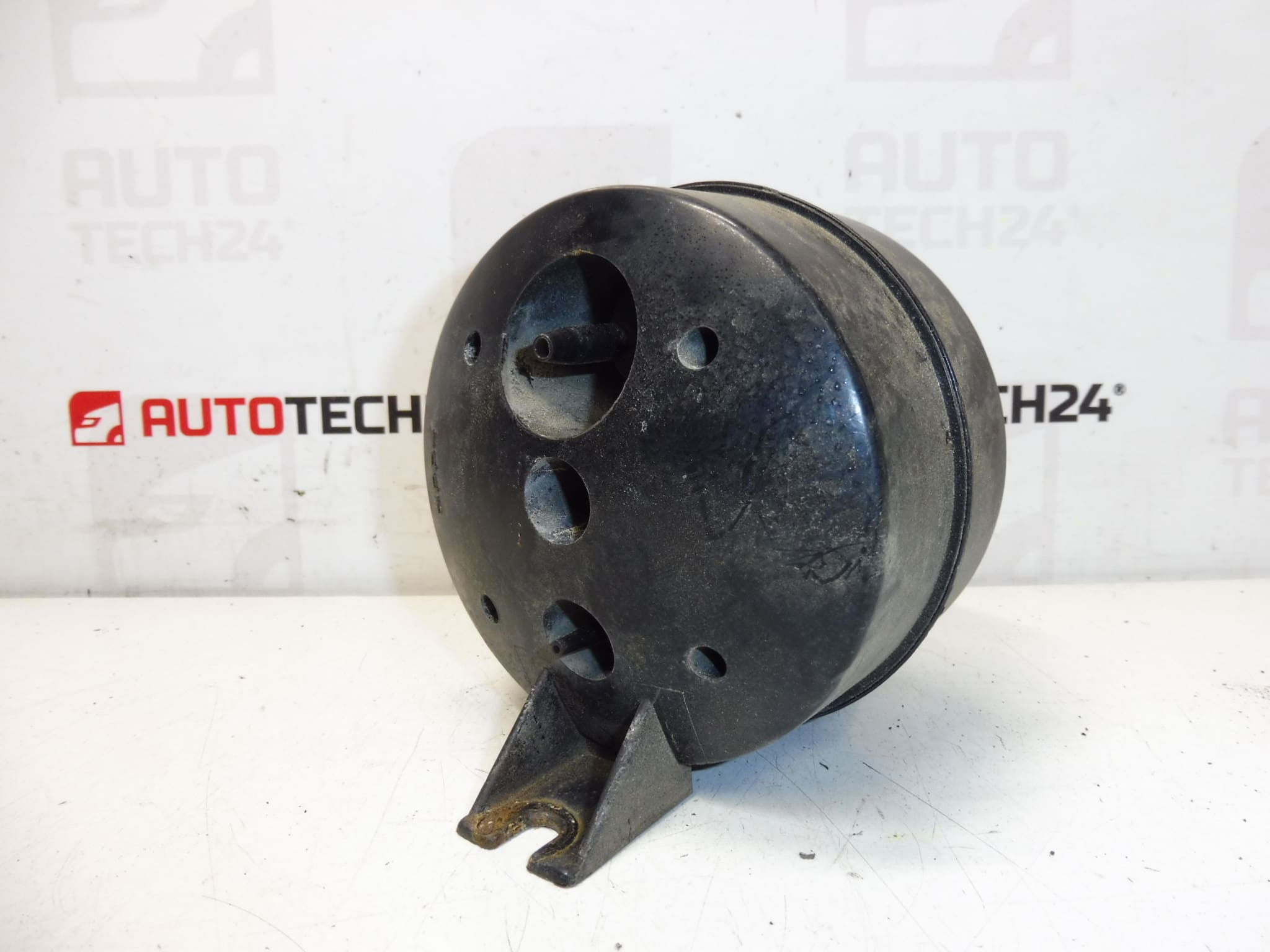
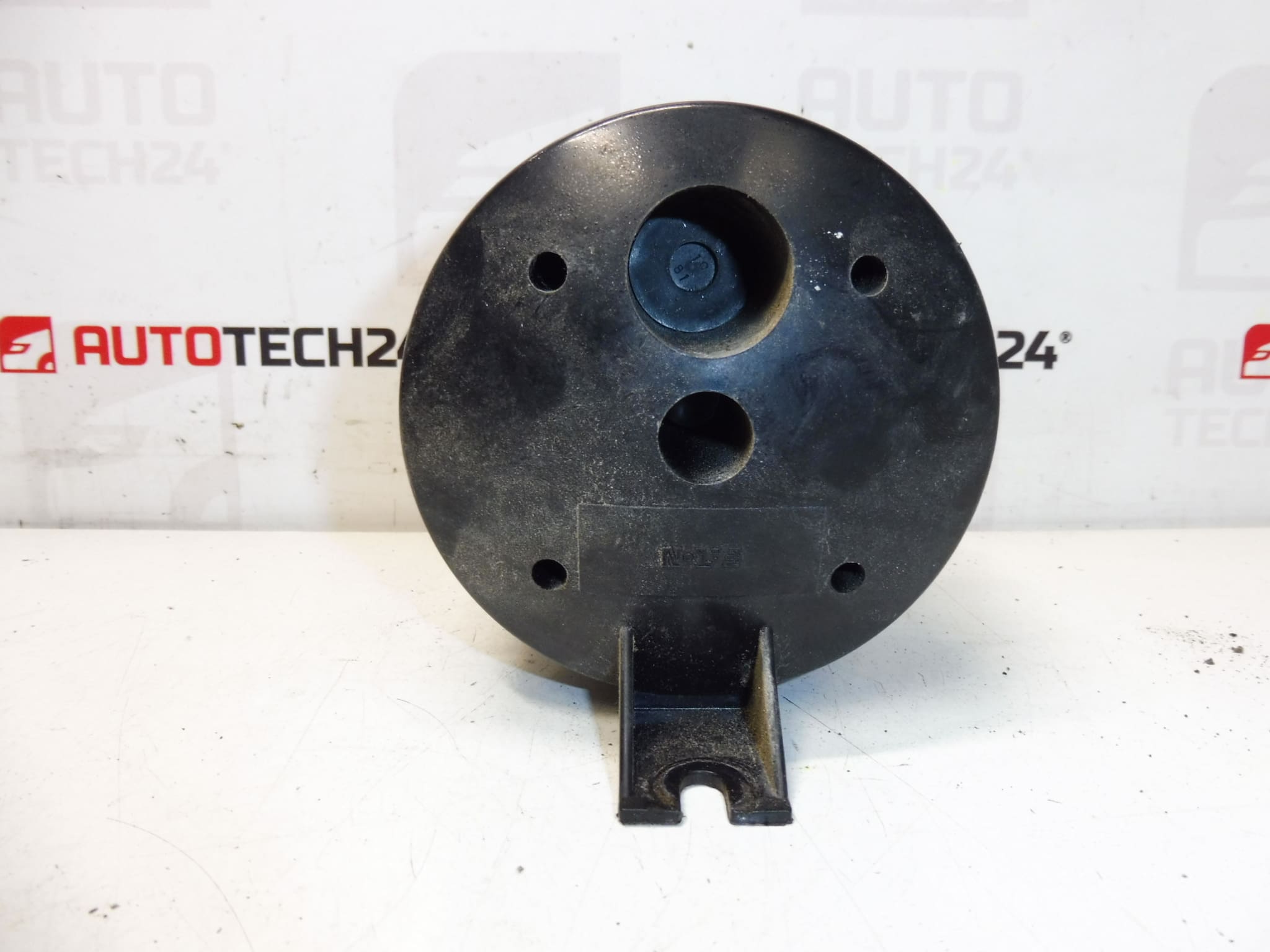
Vacuum Reservoir For PEUGEOT 2.0i 16V 130 kW Vehicles
This vacuum reservoir (stock number 1622T0) is a direct-fit replacement part designed for Peugeot and compatible Citroën models equipped with the 2.0i 16V 130 kW engine. Ideal for professional workshops and DIY mechanics, the reservoir restores stable vacuum supply for the brake booster and other vacuum-operated systems, helping to maintain safe and consistent brake feel as well as reliable engine vacuum control. Keep this part in mind when diagnosing weak or intermittent brake assist, hissing noises under the bonnet, or visible damage to the original reservoir.
Technical Information
- Manufacturer: Stellantis (Citroën / Peugeot)
- Model: Peugeot 307; Vehicles With 2.0i 16V 130 kW Engine
- Product Codes: 1622T0
- Additional Numbers: None Listed
Features And Benefits
Designed to provide a steady vacuum reserve for the brake servo, this reservoir ensures consistent brake assist even under variable engine load. Robust plastic construction resists typical underbonnet heat and vibration, and the standardized port layout allows easy connection to existing vacuum lines and one-way check valves. Keeping the vacuum system healthy improves driver confidence and contributes to overall vehicle safety.
Recommended Installation
Replacement is straightforward for a trained mechanic or competent DIYer. Typical steps include: safely raising the vehicle if required for access, relieving residual vacuum by starting the engine and then switching it off, disconnecting vacuum hoses and electrical connectors if present, removing the mounting fasteners, and installing the new reservoir in the original position. Always inspect and, if necessary, replace vacuum hoses, clips, and the check valve during installation to prevent repeat failures. Ensure secure hose clamps and correct routing to avoid chafing or heat damage. No special tools are normally required beyond basic hand tools.
Why The Part Fails Most Often
Vacuum reservoirs usually fail due to age-related degradation: plastic becomes brittle from heat cycling and exposure, leading to cracks or hairline fractures. Failures can also result from damaged vacuum hoses or a faulty check valve that allows backflow, reducing available vacuum. External impacts and mounting stresses accelerate wear. Symptoms of a failing reservoir include a hard or inconsistent brake pedal, reduced vacuum assistance at idle or during load changes, and audible hissing from the engine bay.
Notes For Buyers
Searchable by part number 1622T0—use this code when looking up fitment or ordering. Suitable for professional fitment in service garages as well as competent home mechanics performing scheduled maintenance or repairs. Inspect related vacuum components at the same time to ensure a durable repair.