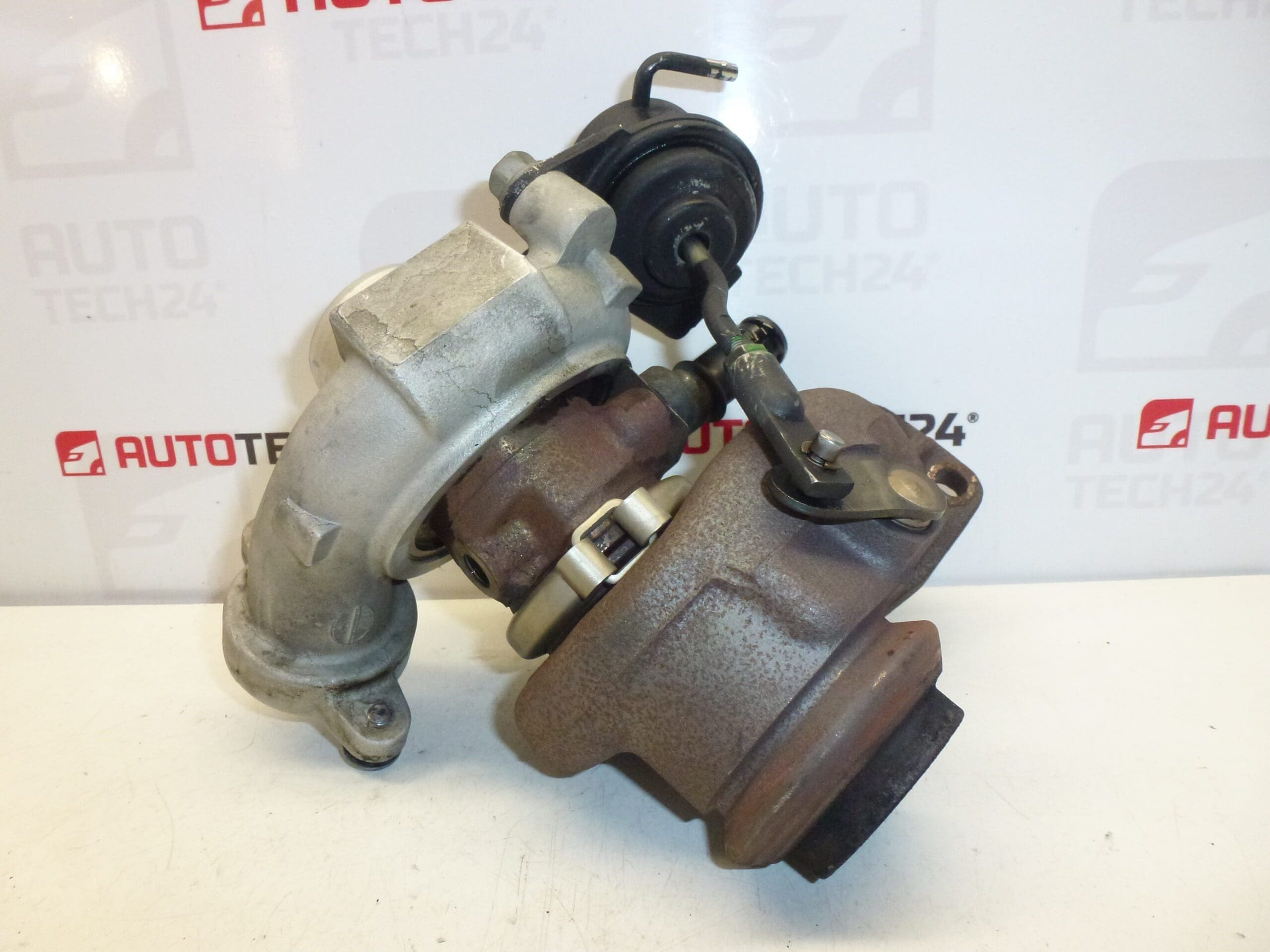
Description
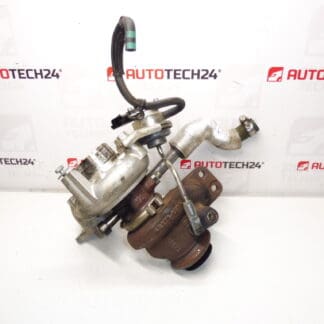
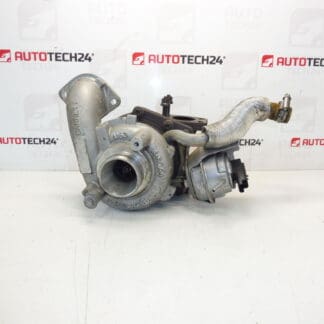
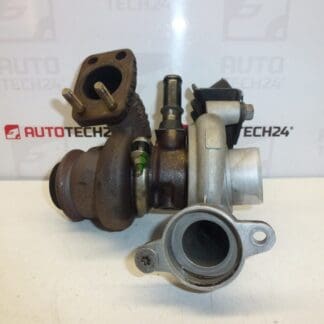
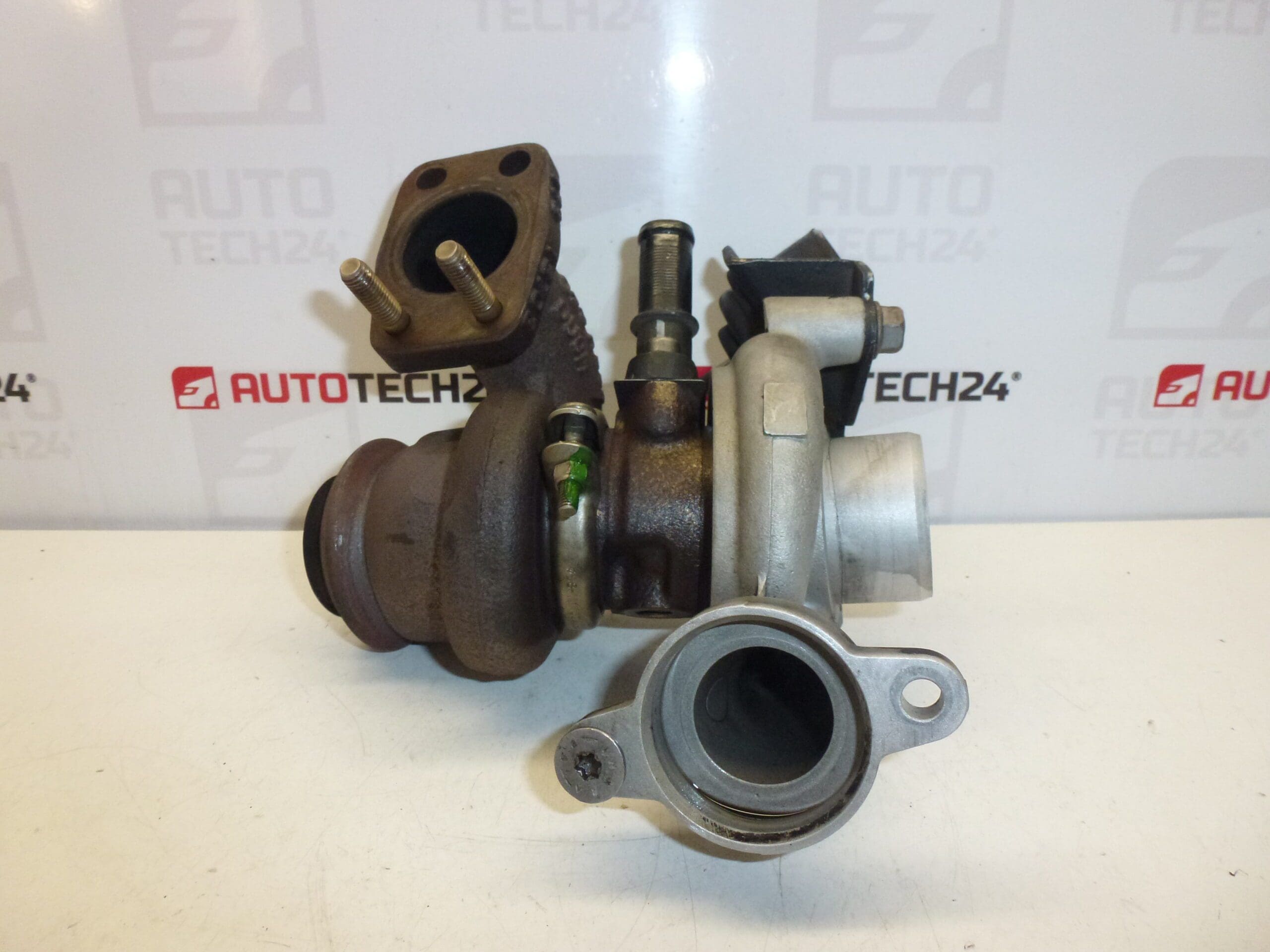
Turbocharger for CITROËN and PEUGEOT 1.6 HDi (55 and 66 kW). Removed from a vehicle with 83,000 km.
This turbocharger is suitable for mechanics and DIY enthusiasts working on 1.6 HDi diesel engines. The unit is often searched by its product codes, so you will find references to 9685293080, 9657530580 and related numbers below. Ideal as a direct replacement for worn or failed turbos on compatible Citroën and Peugeot models, the listing includes technical identifiers to simplify parts matching.
Technical Information
- Manufacturer: Stellantis (Citroën / Peugeot)
- Model: 1.6 HDi (55 kW / 66 kW)
- Product Codes: 9685293080, 9657530580, 9662371080, 9670371380, 9682881780, 9682881380
- Additional Numbers: 0375J0, 0375N5, 0375Q2, 0375Q3, 0375Q4, 0375Q5, 0375K5, 0375N0
- Removed Mileage: 83,000 km
Compatibility / Applications
Commonly fitted to the following models when equipped with the 1.6 HDi engine:
- Citroën Berlingo
- Citroën C4
- Citroën Xsara Picasso
- Peugeot 307
- Peugeot 308
- Peugeot Partner
Function And Typical Symptoms
The Turbocharger Compresses Intake Air To Increase Engine Power And Efficiency. Typical Signs Of Turbo Wear Or Failure Include Loss Of Power, Excessive Exhaust Smoke (Often Blue Or Grey), High Oil Consumption, Loud Whistling Or Rattling From The Turbo Area, And Diagnostic Trouble Codes Related To Boost Pressure.
How The Part Is Replaced
- Allow The Engine To Cool Completely Before Starting Work.
- Disconnect Any Intake Piping, Intercooler Connections, And Hoses To Gain Access To The Turbo.
- Drain Or Block Any Coolant Lines If The Turbo Is Water Cooled; Drain Oil Where Required.
- Support The Turbocharger And Unbolt The Exhaust Manifold / Downpipe Fasteners.
- Disconnect Oil Feed And Return Lines Carefully; Replace Sealing Washers And New Gaskets During Refit.
- Fit The New Turbo, Reconnect Oil And Coolant Lines, Reassemble Intake And Exhaust Connections, Then Start Engine To Check For Leaks And Correct Boost Behaviour.
Installation Recommendations
- Replace All Gaskets And Sealing Washers When Installing The Turbo To Prevent Oil Or Coolant Leaks.
- Ensure Oil Feed Line Is Clean And Free Of Debris; Prime The Turbo Oil Supply Before Initial Start-Up If Possible.
- Inspect The Intercooler, Intake Tract, And Exhaust Manifold For Debris Or Damage That Could Reintroduce Contaminants.
- Use Manufacturer-Recommended Engine Oil And Replace Oil Filter During Installation To Avoid Early Contamination.
- After Installation, Allow Engine Idle For A Short Period To Build Oil Pressure, Then Check For Leaks And Recheck Fasteners After A Short Test Drive.
Most Common Failure Reasons
- Oil Starvation Or Contaminated Oil Causing Bearing Wear.
- Ingestion Of Foreign Objects From The Intake Or Intercooler (Damaged Compressor Wheel).
- Excessive Soot Or Coking In Oil Feed Lines On Diesel Engines Leading To Restricted Oil Flow.
- Wear From High Mileage Or Aggressive Driving Resulting In Shaft Play And Reduced Compressor/Turbine Efficiency.
- Exhaust Leaks Or Cracked Manifold Causing Abnormal Loads On The Turbo.
Maintenance Tips
- Follow Regular Oil Change Intervals With The Correct Grade Of Oil And A Quality Filter.
- Avoid Aggressively Revving A Cold Engine; Allow Turbo To Cool After Heavy Use Before Shutting Down To Reduce Oil Coking.
- Inspect And Clean Intake And Intercooler To Prevent Debris Reaching Turbo.
- Address Engine Oil Consumption Issues Promptly To Protect Turbo Bearings.
Why Buy This Unit
This turbocharger is a direct-fit unit with multiple OEM cross-reference numbers included for easy identification. It’s a practical option for workshops and experienced DIYers looking for a replacement with clear part references for Citroën and Peugeot 1.6 HDi applications.