Description
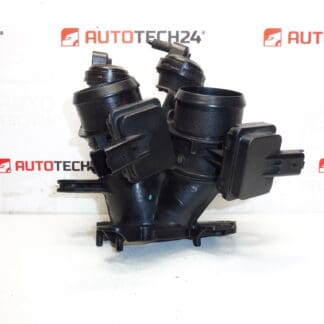
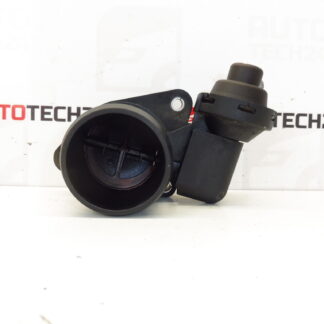
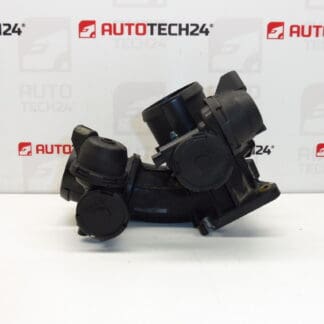
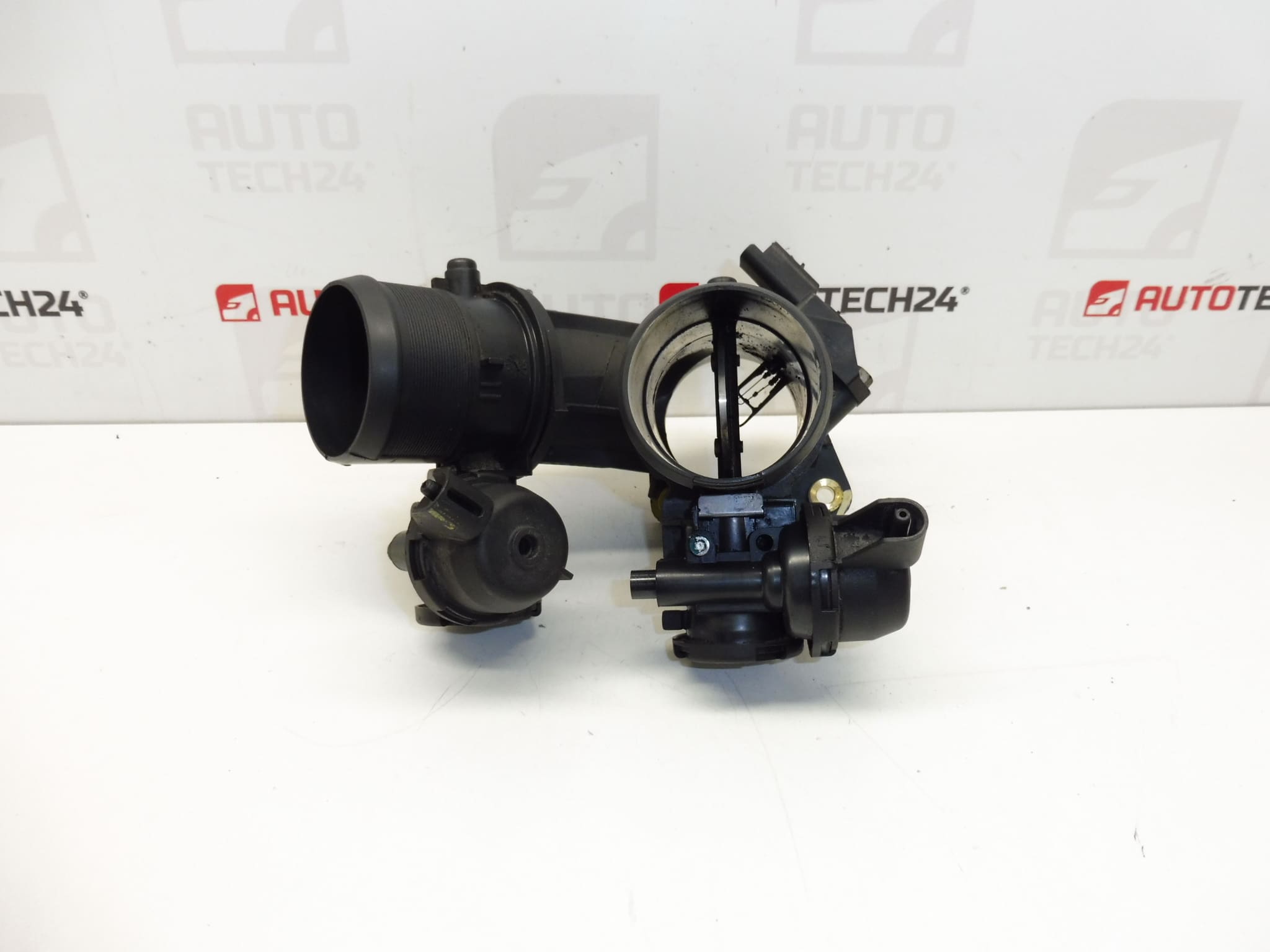
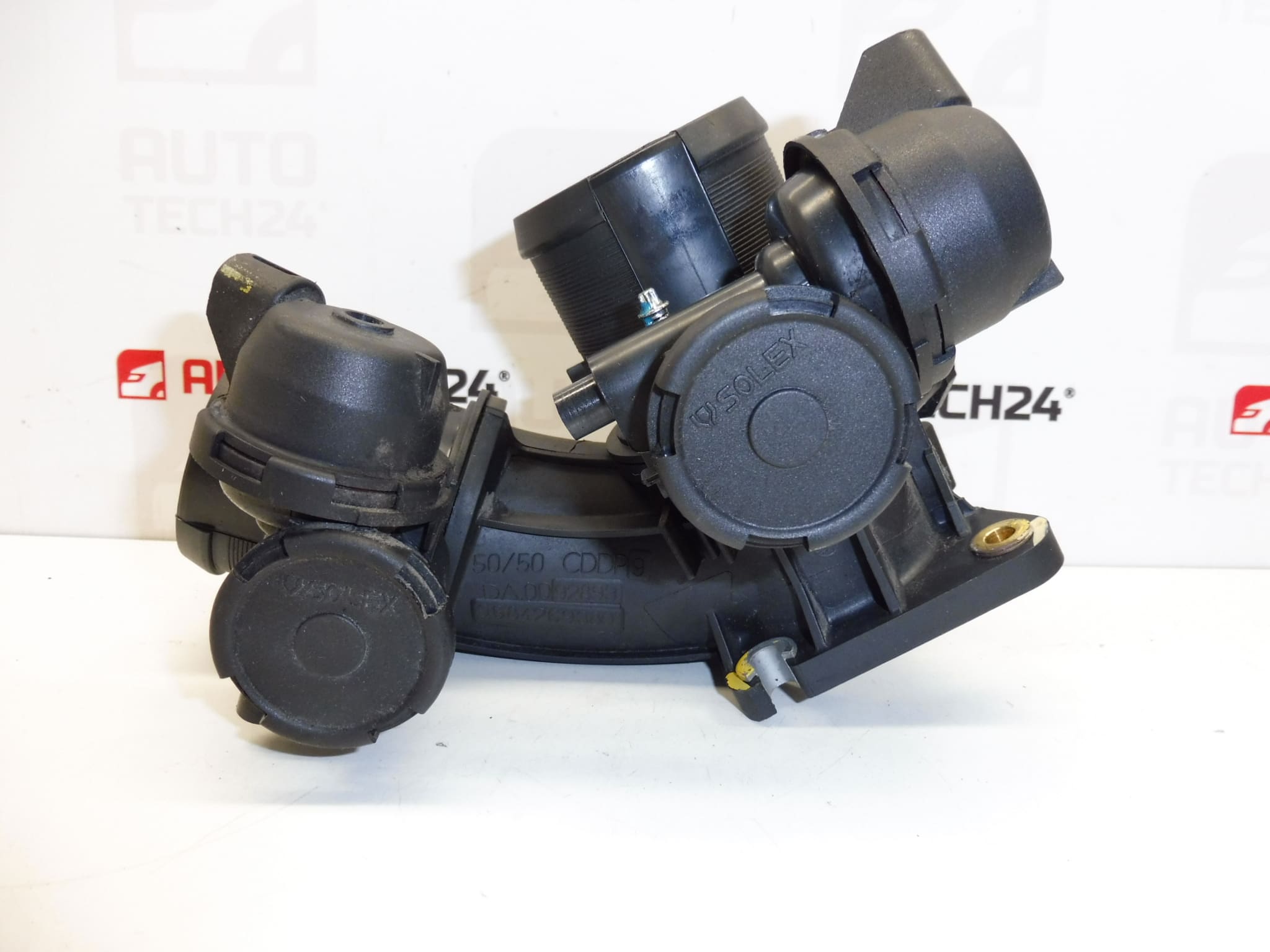
Throttle body with throttle neck for 2.0 HDI RHR 100kw engines
Throttle valve 2.0 HDI Peugeot 9646846380 0345F0 is an original part intended for diesel engines 2.0 HDI, typically with the designation RHR with an output of 100 kW. It is a complete throttle body with an intake throat, which ensures the correct regulation of the amount of air taken into the engine and contributes to smooth operation, power and refined running at idle and when coasting after the engine is turned off.
This part is especially suitable for Citroën and Peugeot cars with a 2.0 HDI engine, popular with car mechanics and DIYers who service their cars themselves. It is often searched for by product numbers, so here is an overview of the identification:
Manufacturer: PSA Citroën Peugeot
Model: 2.0 HDI RHR 100 kW (selected Citroën and Peugeot models)
Product codes: 9646846380, 0345F0, 0345E9
Other numbers: may vary depending on the specific manufacturer of the sub-group (e.g. different OEM sub-variants), but PSA numbers 9646846380 / 0345F0 / 0345E9 are important
The throttle valve in these engines plays an important role in regulating the air flow to the intake, cooperates with the EGR system and has an effect on smoke, consumption and engine operation. Erratic idle, jerking, hibernation, or intake control error codes often occur with a faulty throttle.
Thanks to a properly functioning throttle, the 2.0 HDI engine can achieve optimal performance and lower consumption, which is essential both for everyday operation and for reliability on long journeys. A used original part from a car of the same concept is in most cases a better choice than cheap non-original replacements, which may have a shorter service life or worse tightness and accuracy of regulation.
Installation recommendations:
Before installation, check the sealing surfaces of the valve and the intake and replace the seals if necessary. When replacing, carefully clean the area around the intake so that dirt does not enter the engine. Connect the electrical connector only after the damper is completely seated in the intake, tighten the screws evenly according to the engine manufacturer’s recommended tightening torque. After assembly, it is advisable to carry out the basic adjustment and adaptation of the damper using diagnostics, possibly delete the saved error codes and carry out a test drive to check the correct function.