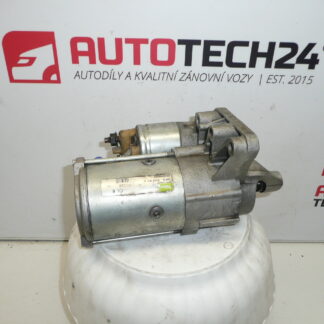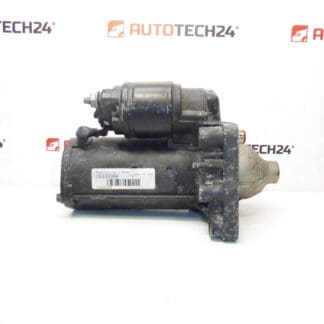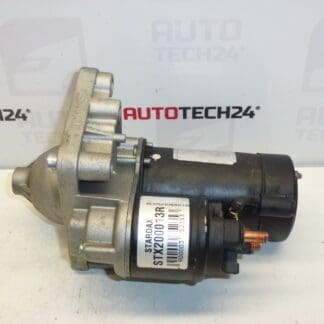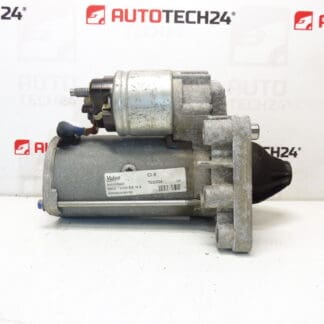
Description
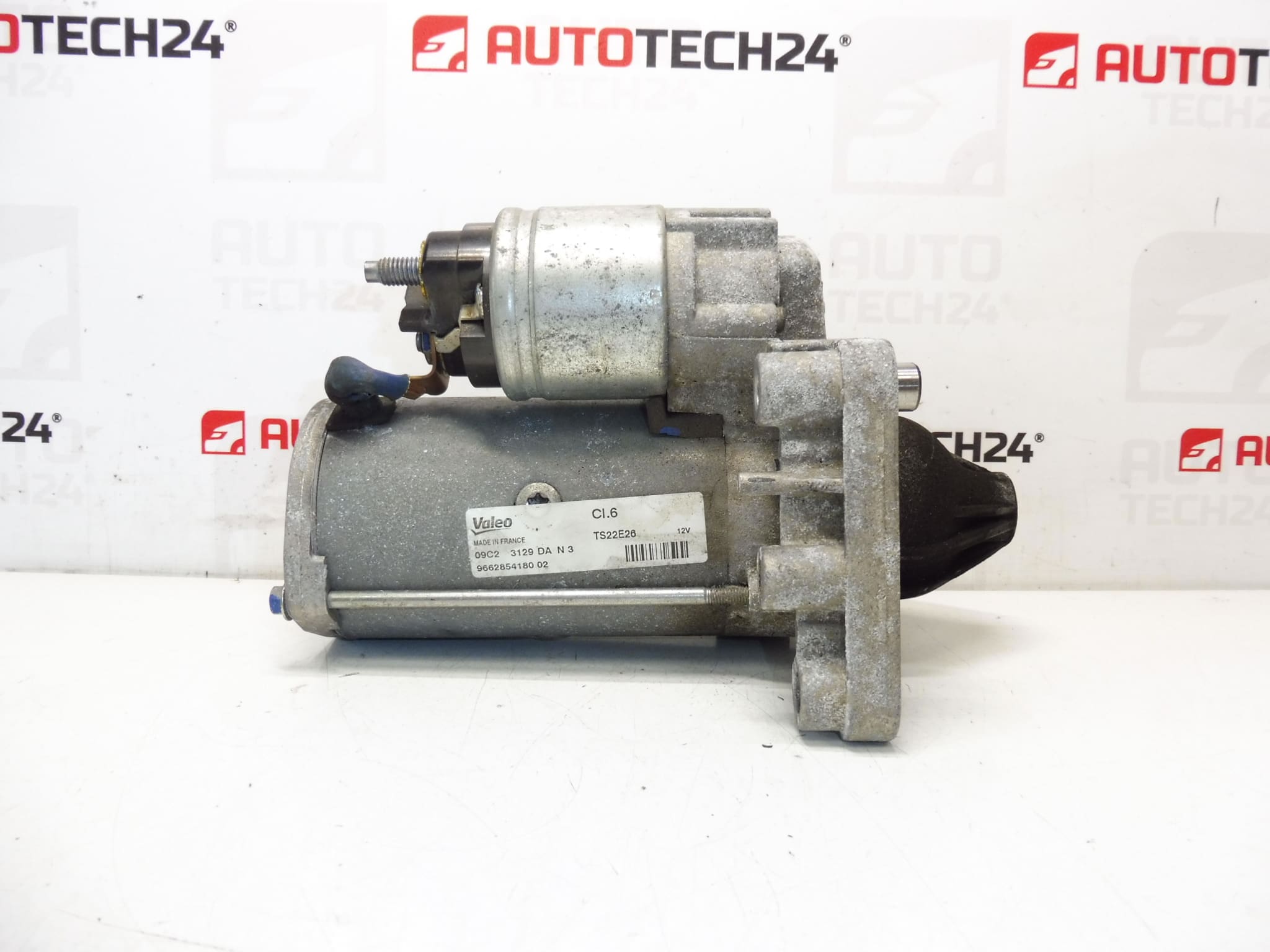
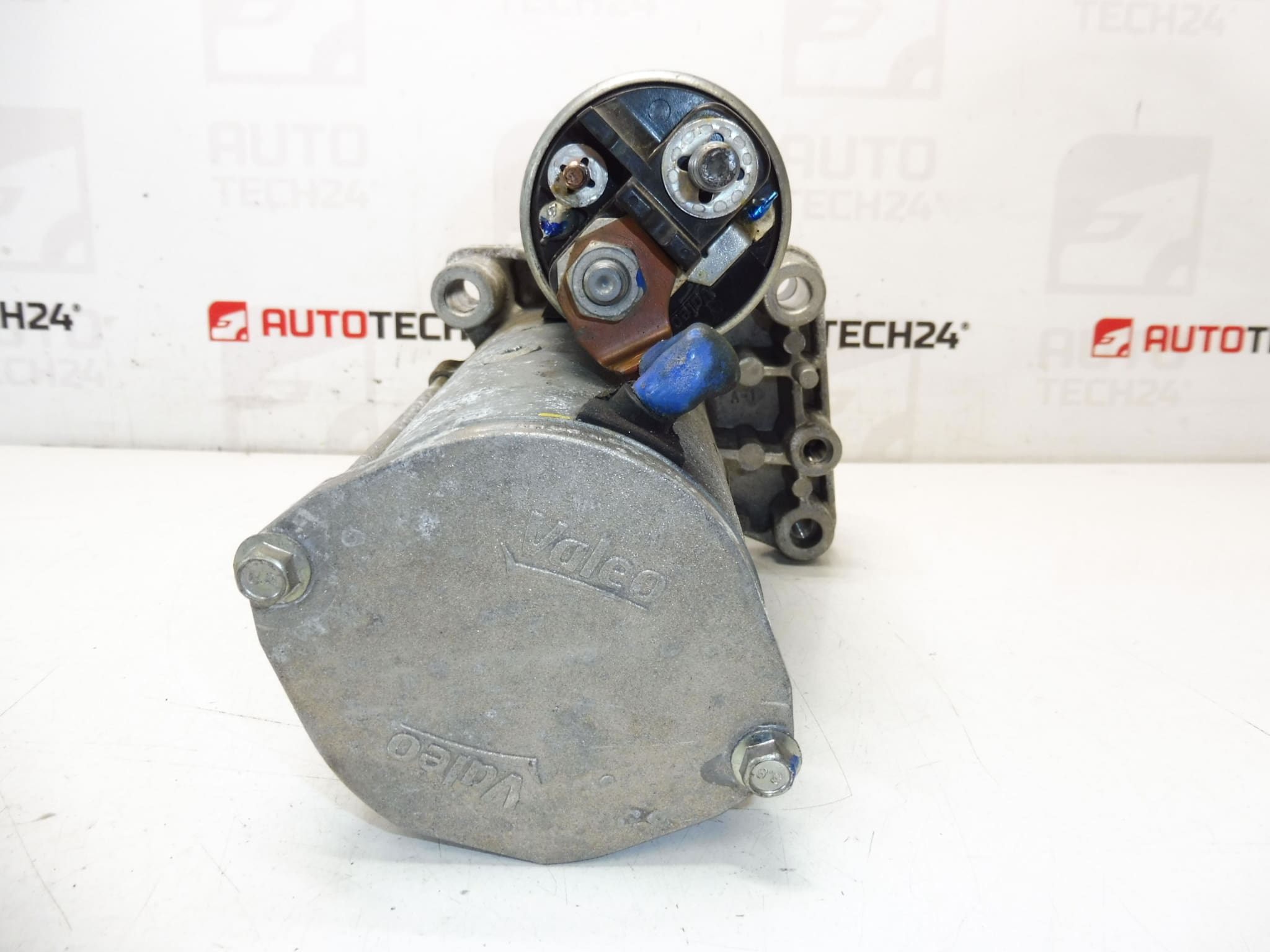
Starter VALEO TS22E26 CL6 1.4 HDI, 1.5 HDI and 1.6 HDI
Sourced from a vehicle with mileage up to 100,000 km
Voltage: 12 V
Number of Teeth: 11
Overview
This Valeo TS22E26 CL6 starter is a reliable direct-fit unit for a range of PSA HDi engines. Designed for Citroën and Peugeot models with 1.4, 1.5 and 1.6 HDi engines, it replaces the original starter and carries the common OEM references used in Stellantis applications. The unit is ideal for mechanics and experienced DIYers looking for a quality replacement that matches factory specifications in voltage and pinion tooth count.
Features and Benefits
- Direct Replacement: Matches OEM fitment and mounting points for straightforward swap.
- Proven Design: Valeo construction with compatible electrical and mechanical interfaces for PSA HDi engines.
- Correct Electrical Rating: 12 V operation suitable for standard 12 V vehicle systems.
- Pinion Specification: 11 teeth pinion suitable for the corresponding flywheel/ring gear.
- Cost-Effective Repair: Restores reliable starting performance when original starter fails.
Fitment
Compatible With: Citroën Berlingo, Citroën C4, Citroën Xsara Picasso, Peugeot 207, Peugeot 307, Peugeot 308, Peugeot Partner (1.4 HDi, 1.5 HDi and 1.6 HDi engine variants). Always verify engine code and physical fitment before installation.
Technical Information
- Manufacturer: Valeo
- Model: TS22E26 CL6 (1.4 HDi / 1.5 HDi / 1.6 HDi)
- Product Codes: 9646694080, 9662854180, TS22E26
- Additional Numbers: 5802AE, 5802AF, 5802CE
- Voltage: 12 V
- Number Of Teeth: 11
- Source Condition: Sourced from a vehicle with mileage up to 100,000 km
Installation Recommendation
Disconnect the negative battery terminal before starting and follow safe workshop procedures. Typical replacement steps: raise and support the vehicle securely, remove any obstructing components (heat shields or intake parts as required), disconnect electrical connectors and the starter solenoid wiring, unbolt the starter from the transmission bellhousing, inspect the flywheel ring gear and starter mounting faces for damage, fit the replacement unit, reconnect wiring and lower the vehicle. Torque fasteners to the manufacturer’s specifications and reconnect the battery last. If you are not confident with the procedure, have the installation performed by a qualified technician.
Most Common Failure Causes
- Brush and Commutator Wear: Normal wear over time reduces contact and starting performance.
- Solenoid Failure: Coil or contacts in the solenoid can fail, preventing engagement or current flow.
- Pinion or Ring Gear Damage: Worn teeth or damaged ring gear prevent positive engagement.
- Contamination: Oil or debris ingress shortens life and causes mechanical binding.
- Electrical Issues: Weak battery, poor ground or corroded connections cause excessive heat and premature starter failure.
- Frequent Short-Run Starts: Repeated cranking without adequate alternator recovery can overheat and wear the starter.
Practical Tips
- Check Battery And Charging System Before Replacement: Many perceived starter failures are caused by low battery voltage or charging faults.
- Inspect Flywheel Teeth And Mounting Faces: Repair or replace damaged components to avoid repeat failures.
- Ensure Clean Electrical Connections: Clean and tighten battery and starter terminals for reliable current flow.
- Listen For Symptoms: Grinding, intermittent operation, or slow cranking are common early warnings.