Description
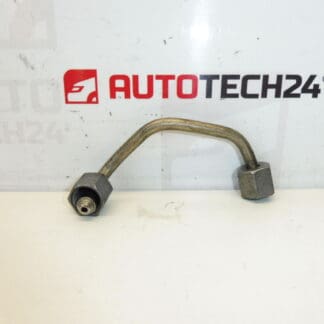
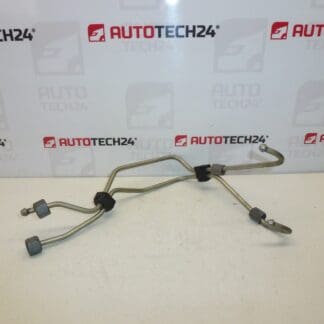
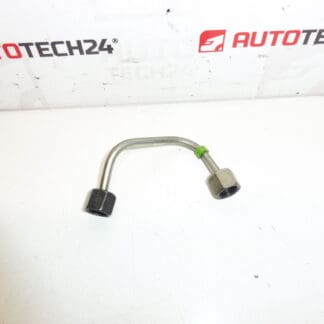
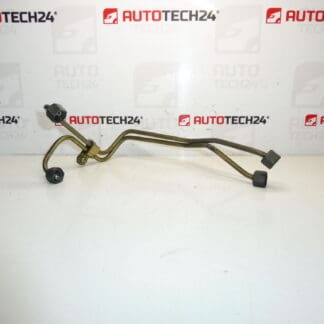
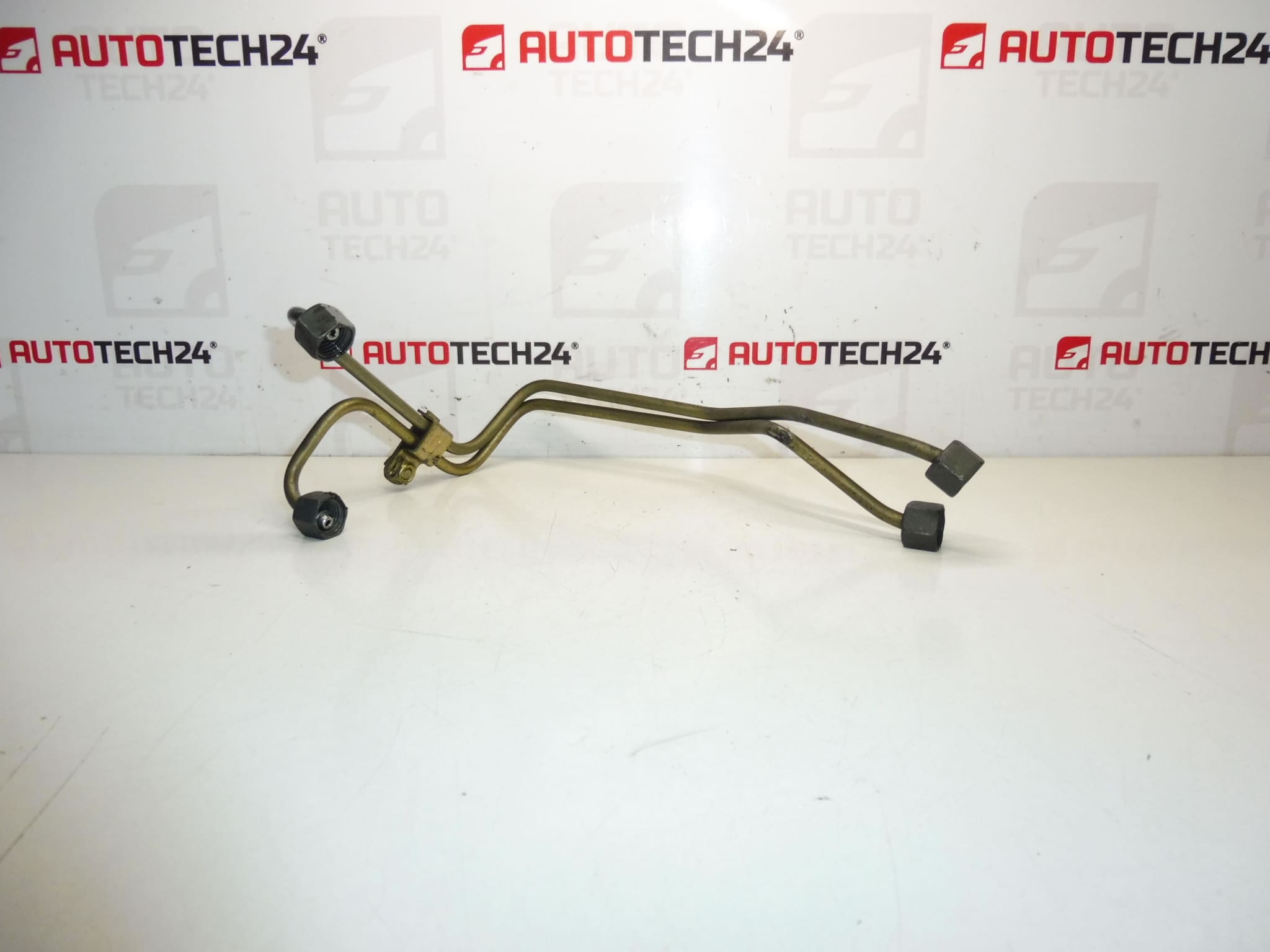
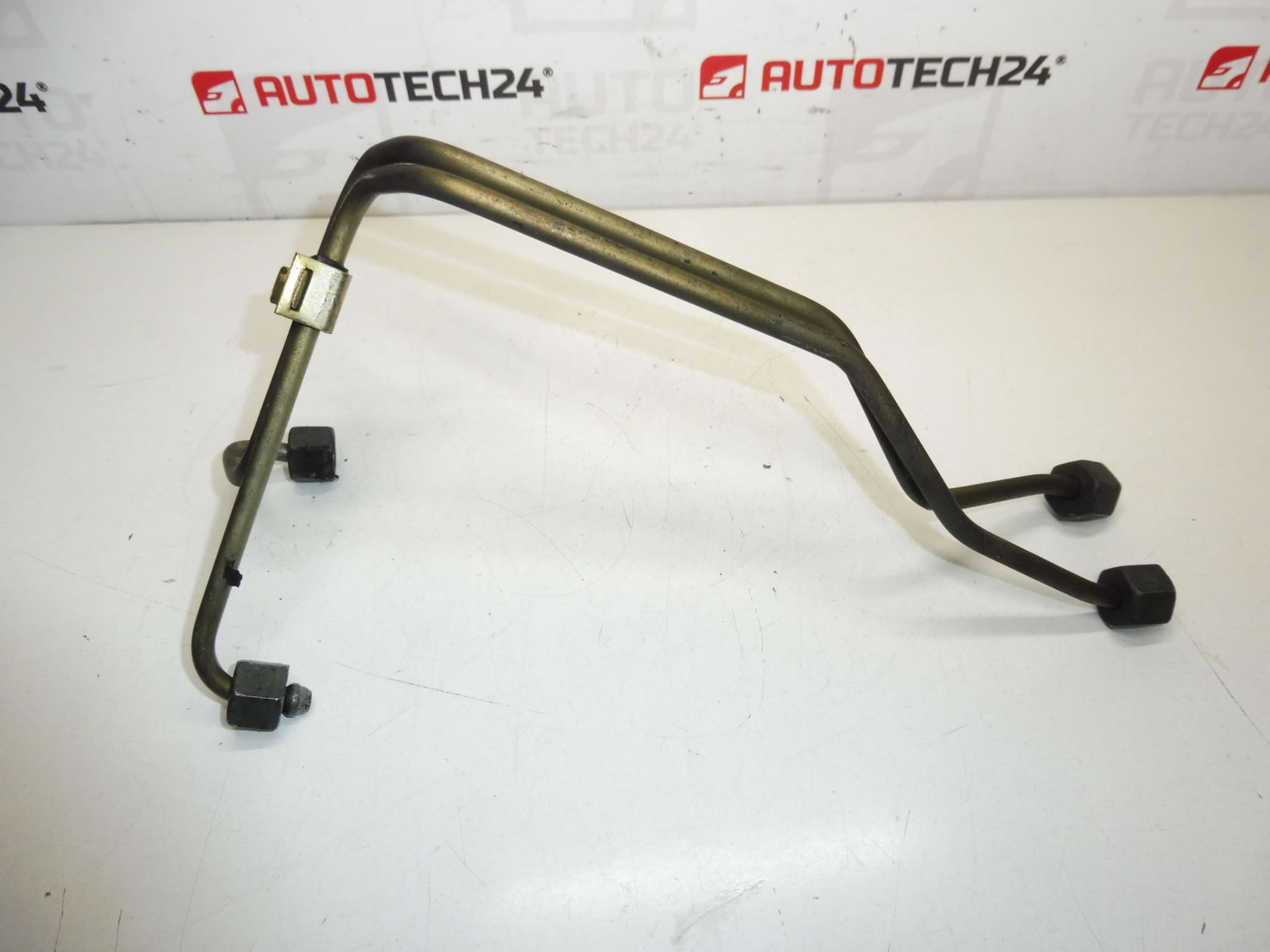
Inlet pipe to the first and second cylinder for RAIL 1.4 HDi 16V 8HY
This high-quality inlet pipe is designed for the fuel rail of the 1.4 HDi 16V engine and connects the rail to cylinders 1 and 2. Ideal for professional workshops and experienced DIY mechanics, the part restores correct fuel delivery to the front cylinders and helps eliminate leaks, pressure loss and related performance issues. The listing is optimized for searches by part number and model names (e.g. 1570F6), making it easy to find when sourcing replacement components for Citroën and Peugeot vehicles.
Technical Information
- Manufacturer: Stellantis / Citroën / Peugeot
- Model: Citroën C3; Peugeot 1007
- Product Codes: 1570F6; 1570.F6
- Other Numbers: Engine Code 8HY; 1.4 HDi 16V
Function and Application
The inlet pipe routes high-pressure diesel from the common rail to the injectors feeding cylinders 1 and 2. As part of the common-rail system, it must maintain a tight, vibration-resistant connection to prevent pressure loss and fuel leaks that cause rough running, misfires or loss of power.
Common Failure Reasons
- Corrosion and material fatigue from age and exposure to moisture or road salt.
- Mechanical damage during previous servicing or from engine movement/vibration.
- Deterioration of sealing rings or crush washers leading to leaks.
- Contamination of the fuel system causing erosion or clogging at joints.
Replacement & Fitment
Replacement is straightforward for a trained mechanic but requires care. Typical steps include depressurizing the fuel system, gaining safe access to the fuel rail, removing the old pipe and seals, fitting the new pipe with new sealing rings or washers, and checking all connections for correct seating. After installation, perform a leak test and start-up checks to ensure proper fuel pressure and no leaks.
Installation Recommendations
- Work in a clean area to avoid introducing contamination into the fuel system.
- Always use new sealing rings or crush washers when refitting fuel lines.
- Tighten connections to the Manufacturer’s specified torque values where available.
- After fitting, inspect visually and run the engine to check for leaks and correct fuel pressure/idle quality.
- Replace adjacent components showing wear (clips, brackets, seals) to prevent repeat failures.
When To Replace
There is no fixed service interval for the inlet pipe; replacement is based on symptoms or visible damage. Replace the pipe if you observe fuel smell, visible leaks at the connections, poor engine running, loss of power or if the pipe shows corrosion or mechanical damage during inspection.
Why Buy This Part
Searchable by common part numbers and vehicle models, this inlet pipe is a practical choice for efficient repairs. Sourcing the correct pipe helps restore reliable fuel delivery to the affected cylinders, reduces diagnostic time and prevents secondary damage caused by fuel leaks or low rail pressure.