Description
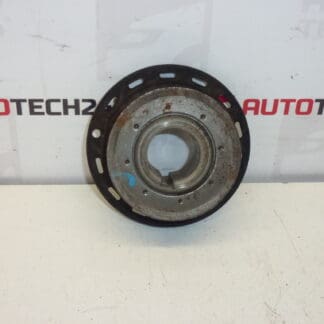
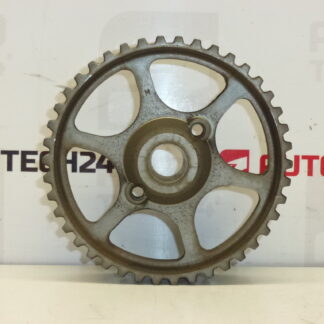
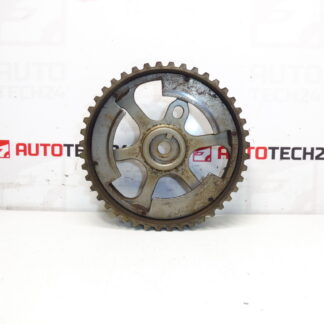
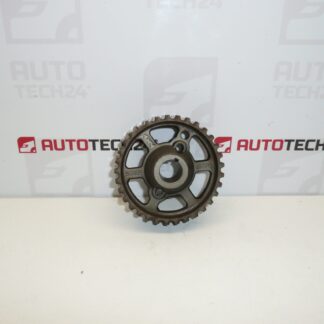
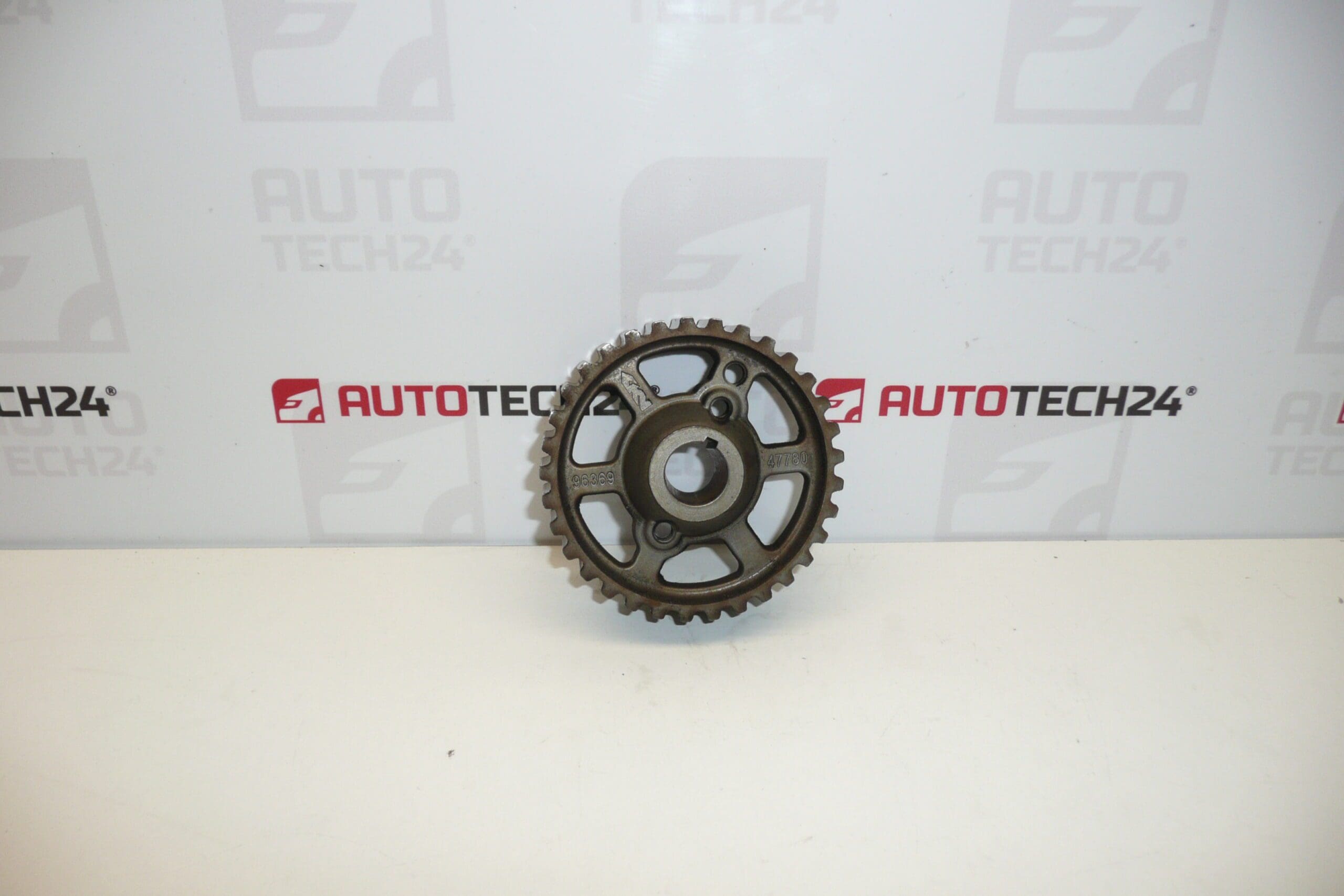
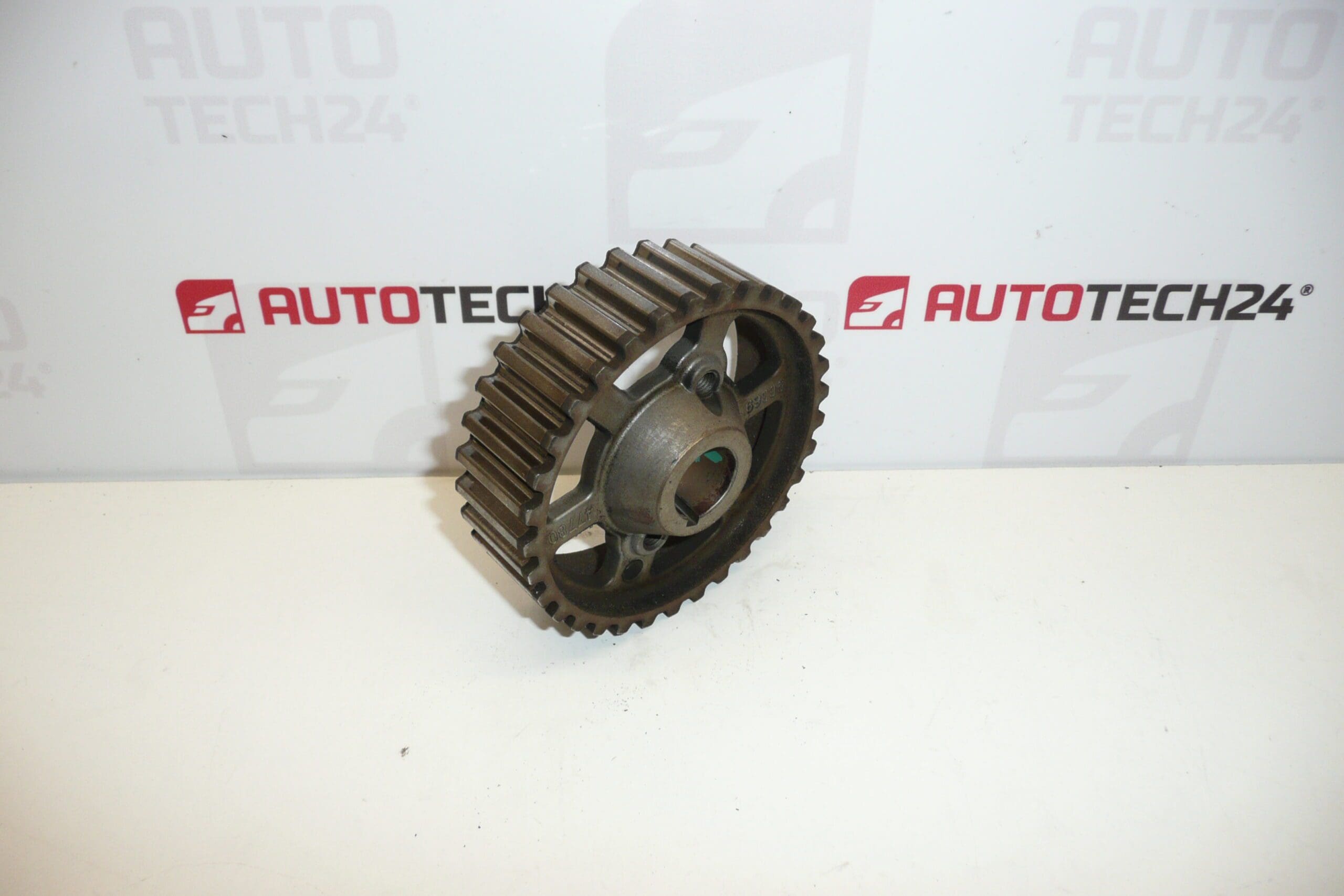
Fuel pump pulley for 1.4 HDI and 1.6 HDI engines for Citroën and Peugeot vehicles.
This fuel pump pulley is a direct-fit replacement commonly used on 1.4 HDI and 1.6 HDI diesel engines from the Stellantis family. It transfers drive from the accessory/drive system to the fuel pump, ensuring reliable fuel delivery and correct pump timing. Supplied with reference numbers 9636947780 and 193040, the part is aimed at professional mechanics and competent DIYers who service Citroën and Peugeot small diesel engines.
Technical Information
- Manufacturer: Stellantis (Citroën/Peugeot)
- Model: 1.4 HDI, 1.6 HDI
- Product Codes: 9636947780, 193040
- Additional Numbers: 193040 | 9636947780
Compatible Models (Examples)
Often found on a range of small and compact Citroën and Peugeot models with 1.4 HDI or 1.6 HDI engines, for example:
Function And What To Expect
The pulley transmits rotational force to the fuel pump so the pump can deliver fuel at the required pressure and timing. A worn or damaged pulley can cause belt slip, noise, uneven pump operation or loss of fuel delivery. Replacing a faulty pulley restores correct drive geometry and helps avoid secondary damage to belts and tensioners.
Recommended Installation
- Work Safely: Park on level ground, apply the handbrake and disconnect the battery before starting.
- Relieve Fuel System Pressure: Follow manufacturer procedures to reduce residual pressure in the fuel system.
- Access: Remove engine covers and any components obstructing the drive belt or fuel pump area.
- Belt Removal: Loosen the belt tensioner and remove the drive/accessory belt, noting belt routing or marking it to preserve timing alignment.
- Pulley Replacement: Unbolt the old pulley from the fuel pump shaft, check the pump shaft and keyway for wear or damage, fit the new pulley ensuring correct seating and alignment.
- Tightening: Tighten fasteners to the manufacturer’s specified torque (consult the repair manual for the exact value).
- Reassembly And Test: Refit the belt and tensioner, prime the fuel system if required, reconnect the battery and start the engine. Verify quiet operation and correct belt alignment, and check for fuel leaks.
Why The Part Fails Most Often
- Bearing Wear: Bearings inside the pulley degrade over time, causing noise and wobble.
- Belt Misalignment Or Tension Issues: Incorrect tension or misaligned belts accelerate wear and can damage the pulley face.
- Corrosion And Contamination: Moisture and debris can corrode the pulley or contaminate bearings, reducing life.
- Impact Or Mechanical Damage: Improper removal/installation or external impact can deform the pulley.
For routine maintenance, inspect the pulley when replacing accessory belts, tensioners or when diagnosing unusual noises from the front of the engine. Replacing a worn pulley early prevents belt failure and potential loss of fuel delivery while driving.