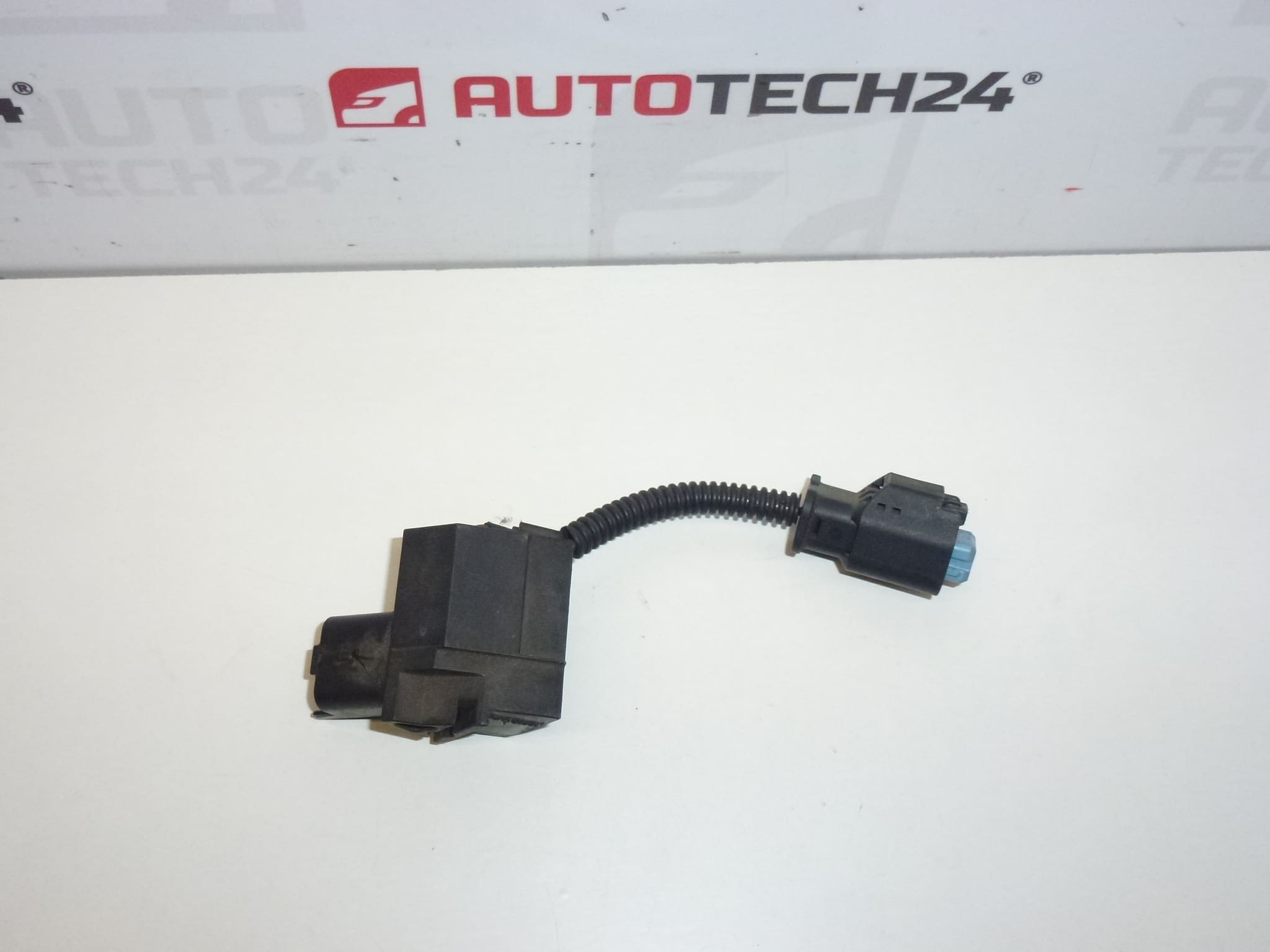
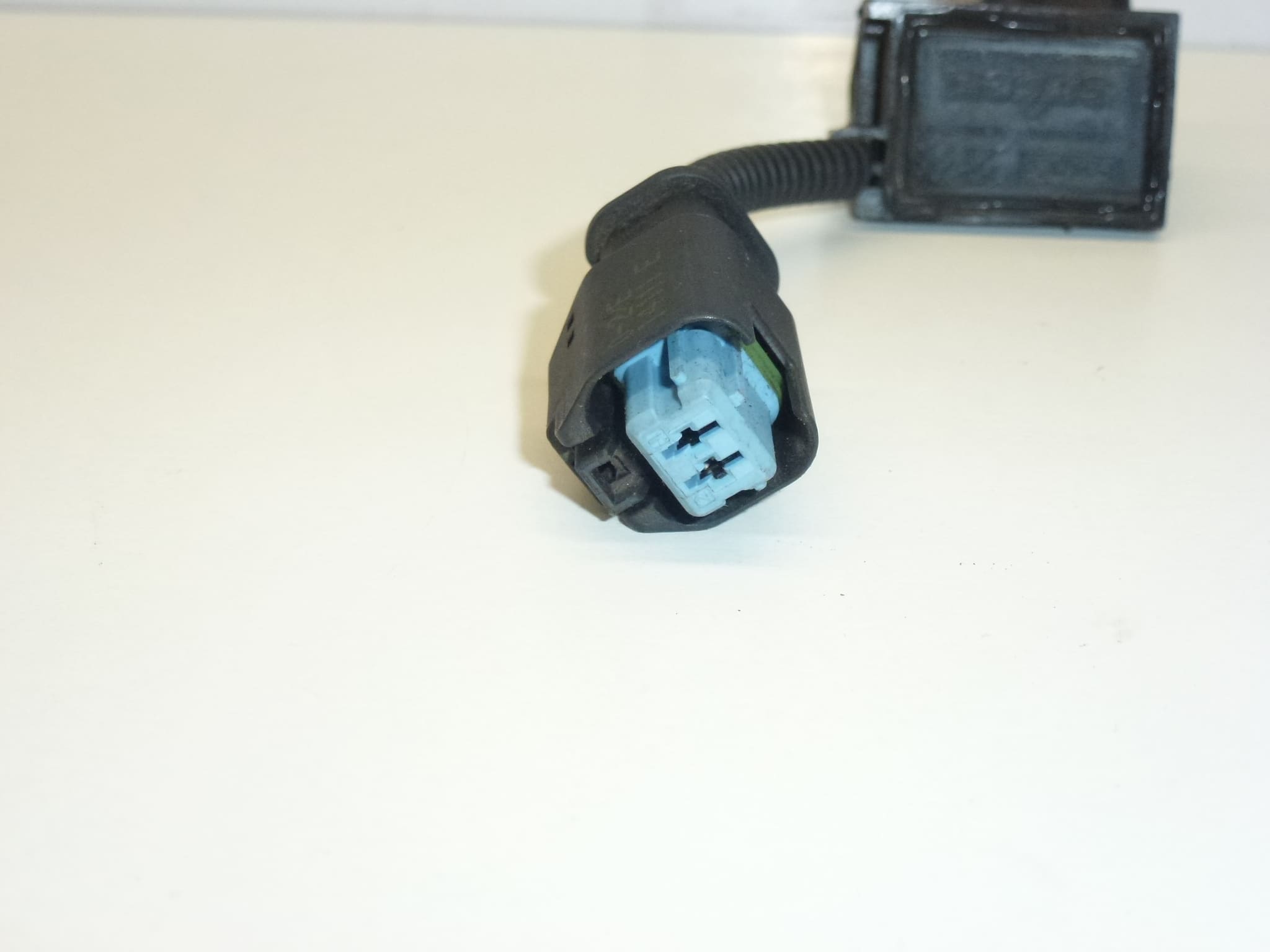
Description
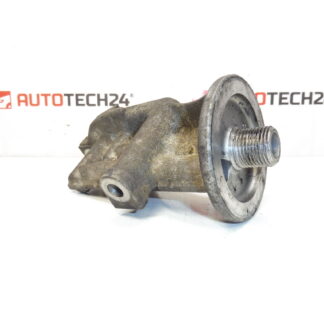
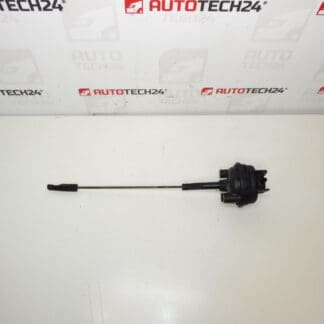
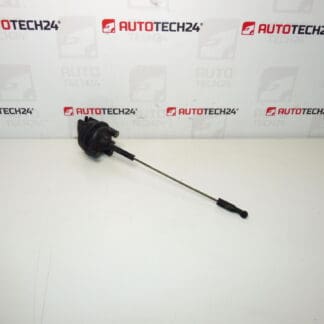
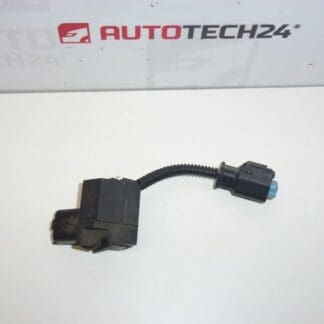
Sensor for 1.6 e-HDi engines for Citroën and Peugeot vehicles.
High-quality replacement sensor designed for 1.6 e-HDi powertrains used across multiple Citroën and Peugeot models. Ideal for professional workshops and experienced DIY enthusiasts, this sensor uses OEM part references 9689058080 and 9689057280 to ensure correct fitment and reliable communication with the engine management system. A properly functioning sensor helps maintain engine performance, fuel efficiency and emissions control.
Technical Information
- Manufacturer: Stellantis (Citroën / Peugeot)
- Model: 1.6 e-HDi
- Product Codes: 9689058080, 9689057280
- Additional Numbers: 9689057280 | 9689058080
Fitment
Common applications include a range of Citroën and Peugeot models equipped with the 1.6 e-HDi engine, for example:
- Citroën Berlingo B9
- Citroën C4 II
- Citroën C4 Picasso
- DS4
- Peugeot 3008 I
- Peugeot 308
- Peugeot 5008 I
- Peugeot Partner Tepee
Installation Recommendation
- Disconnect the negative battery terminal before starting work to avoid electrical damage and erroneous fault codes.
- Locate the sensor following the vehicle’s workshop manual or OEM repair instructions. Ensure the engine is cool and access is safe.
- Disconnect the electrical connector and remove any retaining bolts or clips. Retain seals or O-rings and replace them if damaged.
- Install the new sensor, fit a new seal if required, tighten fasteners to the torque specified by the manufacturer and reconnect the electrical connector.
- Clear relevant fault codes and perform a live-data check with an OBD-II diagnostic tool to confirm proper operation after replacement.
Why The Part Fails Most Often
- Connector Corrosion Or Wiring Damage: Moisture and road salt can corrode pins or damage wiring, causing intermittent signals or open circuits.
- Contamination: Oil, dirt or soot ingress can affect sensor elements or seals, leading to incorrect readings.
- Heat And Vibration: Prolonged exposure to engine heat and vibration can degrade internal electronics or the housing.
- Mechanical Damage: Impact during maintenance or from debris can crack the sensor body or connector.
- Ageing: Over time sensor accuracy may drift, prompting fault codes or poor engine performance.
Diagnostics And Practical Tips
- Use an OBD-II scanner to read fault codes and monitor live sensor values before replacing the part to confirm failure.
- Compare live readings to known-good values from a service manual; intermittent faults can point to wiring/connectors rather than the sensor itself.
- Always replace damaged seals and ensure connectors are clean and secure to prevent premature failure of the new sensor.
Recommended For
Automechanics and competent DIYers who require an OEM-referenced sensor for reliable replacement on 1.6 e-HDi Citroën and Peugeot engines. Use in conjunction with proper diagnostic tools and repair documentation for best results.