Description
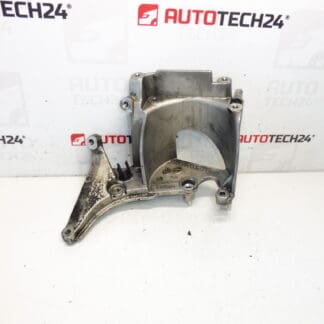
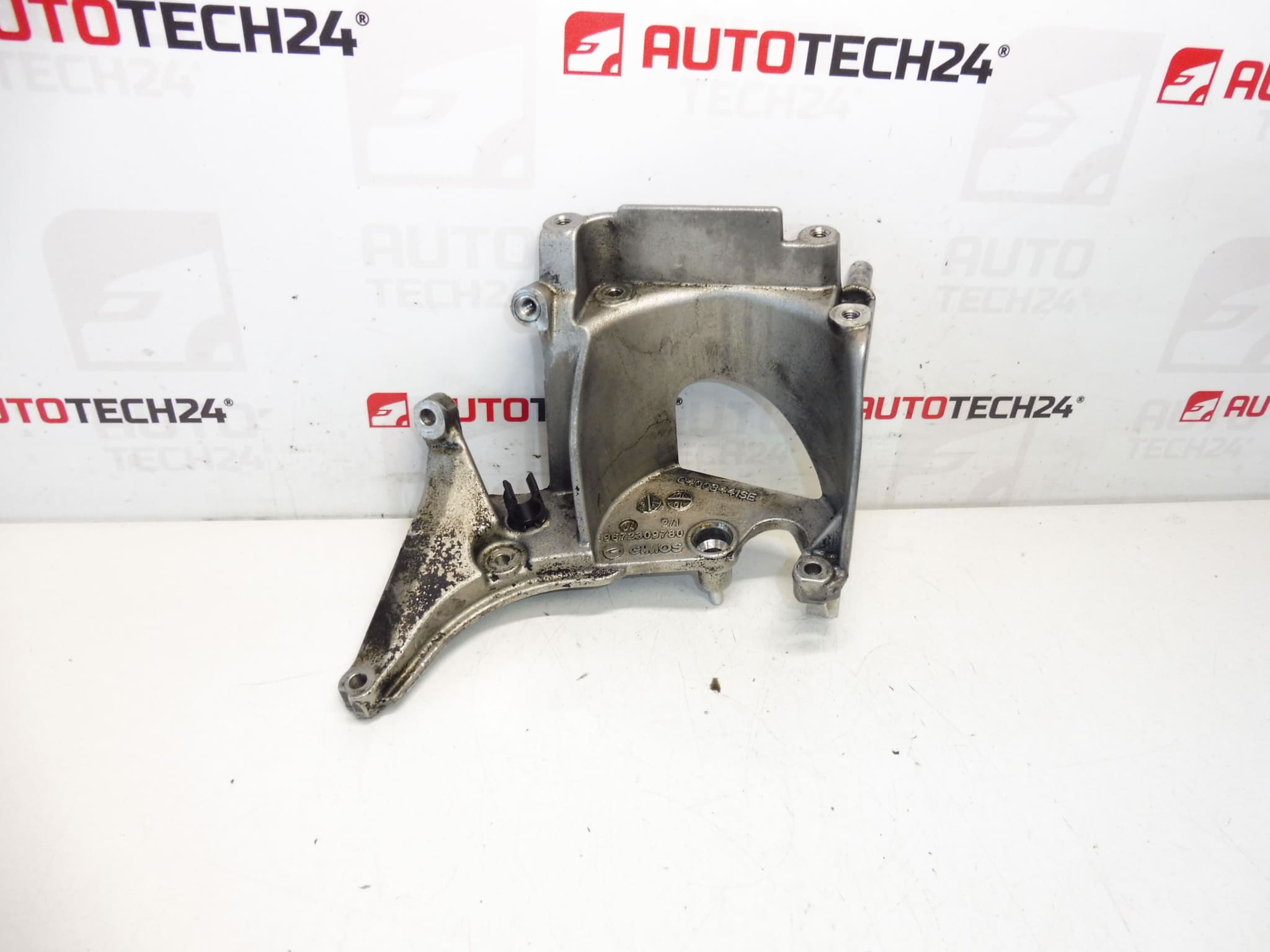
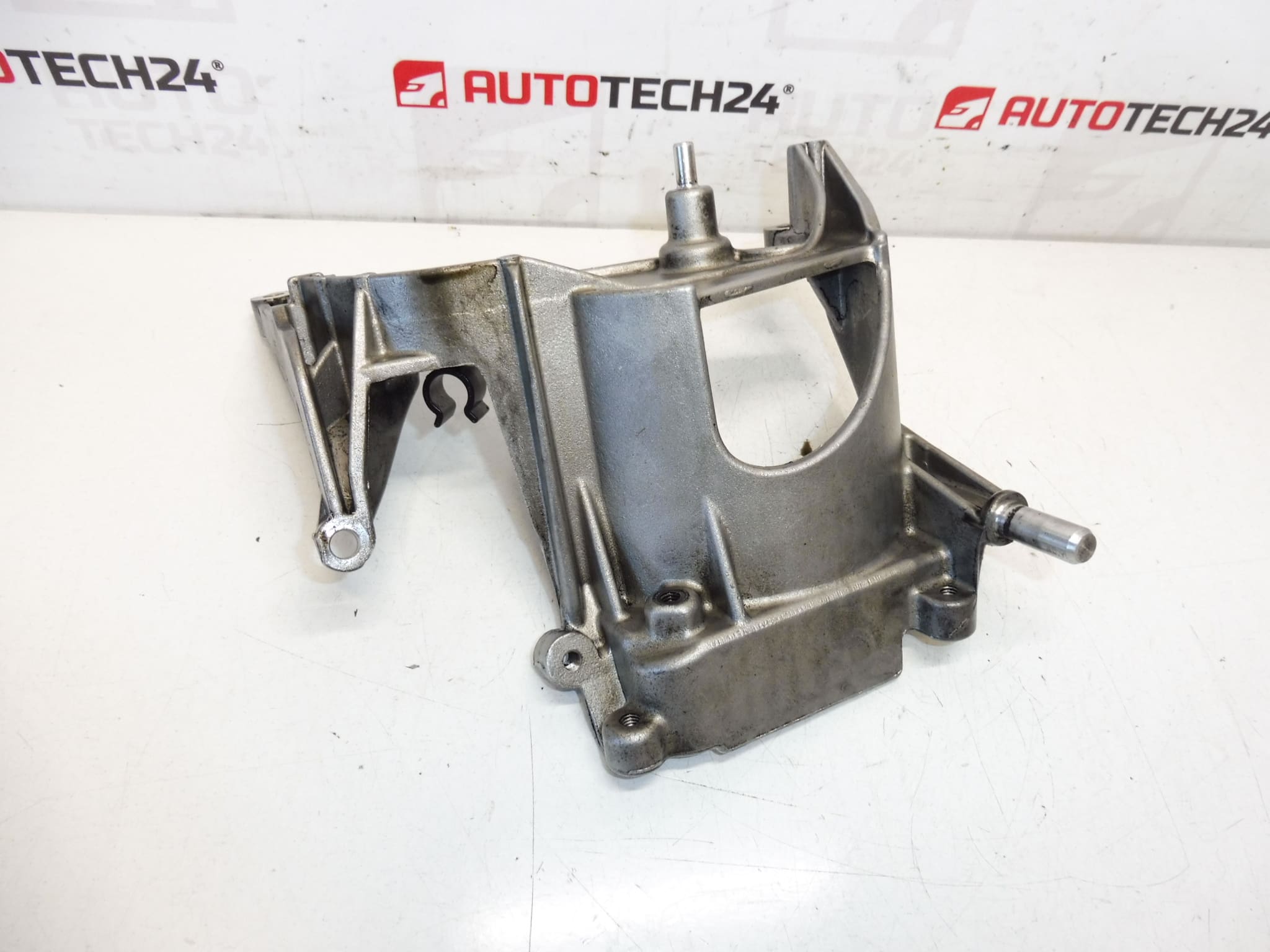
Fuel filter holder for Citroën Peugeot cars with 1.6 eHDI Euro5 engines
Part description
This fuel filter holder is designed for Citroën and Peugeot cars and is used to firmly and correctly hold the fuel filter in the engine compartment. It is an important component that helps ensure a stable fit of the filter and limits the transmission of vibrations during vehicle operation.
If you are looking for a spare part by serial number, this piece is listed under 9672309780 and 190268. Searching by code is often the safest way to buy a used car part, especially for Citroën and Peugeot cars with 1.6 eHDI Euro5 engines.
The fuel filter holder is suitable for repairing a damaged, cracked or deformed original part. Replacement is usually a practical solution when the original attachment no longer holds the filter firmly enough, or the material has worn out or been damaged during a previous service.
Technical information
- Manufacturer: Stellantis Citroën Peugeot
- Model: Citroën Berlingo B9, CITROEN BERLINGO III, Citroën C3, Citroën C3 Picasso, Citroën C3 Pluriel, Citroën C4, Citroen C4 II, Citroën C5, Citroen C5 X7, Peugeot 207, Peugeot 308, Peugeot Partner, PEUGEOT PARTNER III, Peugeot Partner Tepee, Peugeot 508
- Other numbers: 9672309780, 190268
Product codes
- Product codes: 9672309780, 190268
Installation recommendations
For this part, the exact replacement procedure may vary depending on the specific model and make of the car. In general, however, the following recommendations apply to replacing the fuel filter holder in Citroën and Peugeot cars with 1.6 eHDI Euro5 engines.
1) Before assembly
- Check that the bracket shape, attachment points and part marking match the old part.
- Inspect the used part for cracks, deformation or excessive wear at the attachment points.
- Compare the position of holes, seating surfaces and any handles for routing hoses or cables.
- Before starting work, secure the vehicle against movement and work on a cold engine.
2) Necessary tools and materials
- A common set of hand tools
- Ratchet and suitable attachments
- Screwdrivers
- Degreaser and rag cleaner
- Protective gloves and possibly protective glasses
3) Step-by-step assembly procedure
- Open access to the space where the fuel filter and its holder are located.
- Visually document the original placement of the part so that the new piece can be mounted in the same position.
- If necessary, carefully release the related parts that prevent access to the bracket.
- Dismantle the original fuel filter holder including the fasteners.
- Check the condition of the fastening points on the vehicle and clean the contact surfaces from dirt and the remains of old seating.
- Compare the old and new part side by side and verify that all important mounting points match.
- Place the new bracket in place without applying force and check for proper alignment.
- Install the fasteners and gradually fix the bracket so that it sits straight and without tension.
- Return the fuel filter to the correct position in the holder, or reattach anything that was loosened during removal.
- Check that there is no contact with surrounding parts and that the filter is firmly seated.
-
4) Post-assembly checks and test drive/function verification
- After assembly, check that the bracket fits firmly and without play.
- Check that the fuel filter is not tilted or mechanically stressed.
- After starting, observe for excessive vibration or looseness at the mounting location.
- After a short test drive, check the stability of the attachment again.
5) The most common assembly mistakes + how to avoid them
- Part replacement based on similar appearance – always compare product codes and mounting points as well.
- Assembly on dirty bearing surfaces – clean everything carefully before seating the part.
- Incorrect mounting of the holder – before final tightening, check that the part is not under tension.
- Insufficient post-assembly inspection – always re-check the strength of the attachment after the first use.
- Long-term exposure to vibrations and shocks during vehicle operation
- Material fatigue and aging of plastic or metal parts of the holder
- Damage due to improper disassembly or assembly of the fuel filter
- Excessive stress when the filter is improperly seated
- Corrosion or contamination around attachment points
- Cracking of handles due to mechanical stress during service intervention