Description
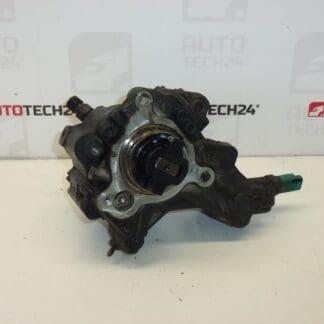
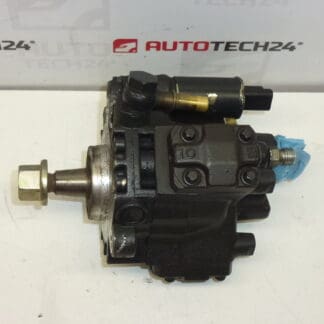
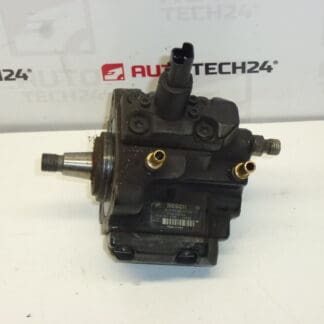
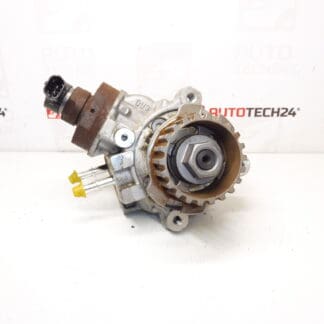
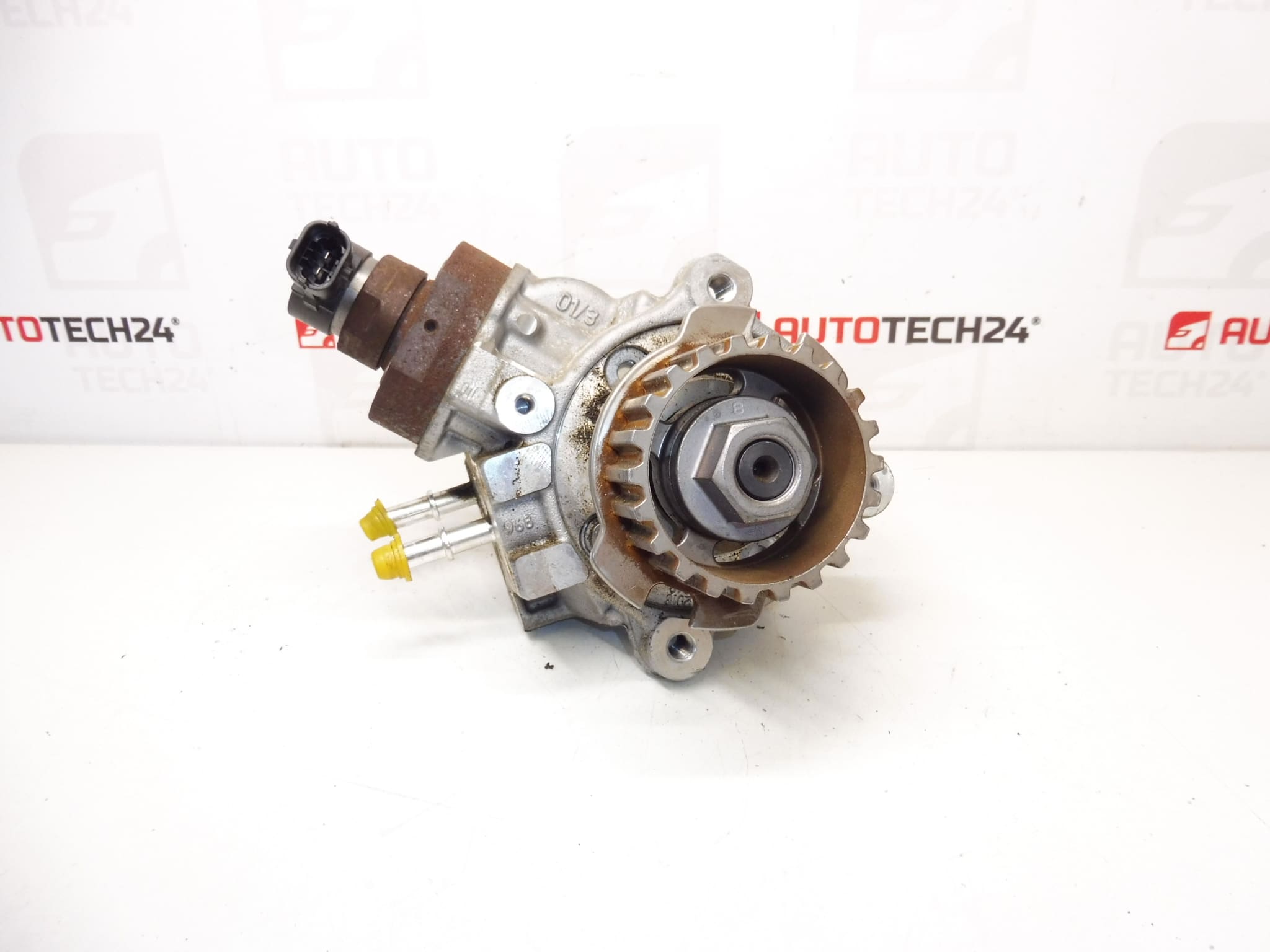
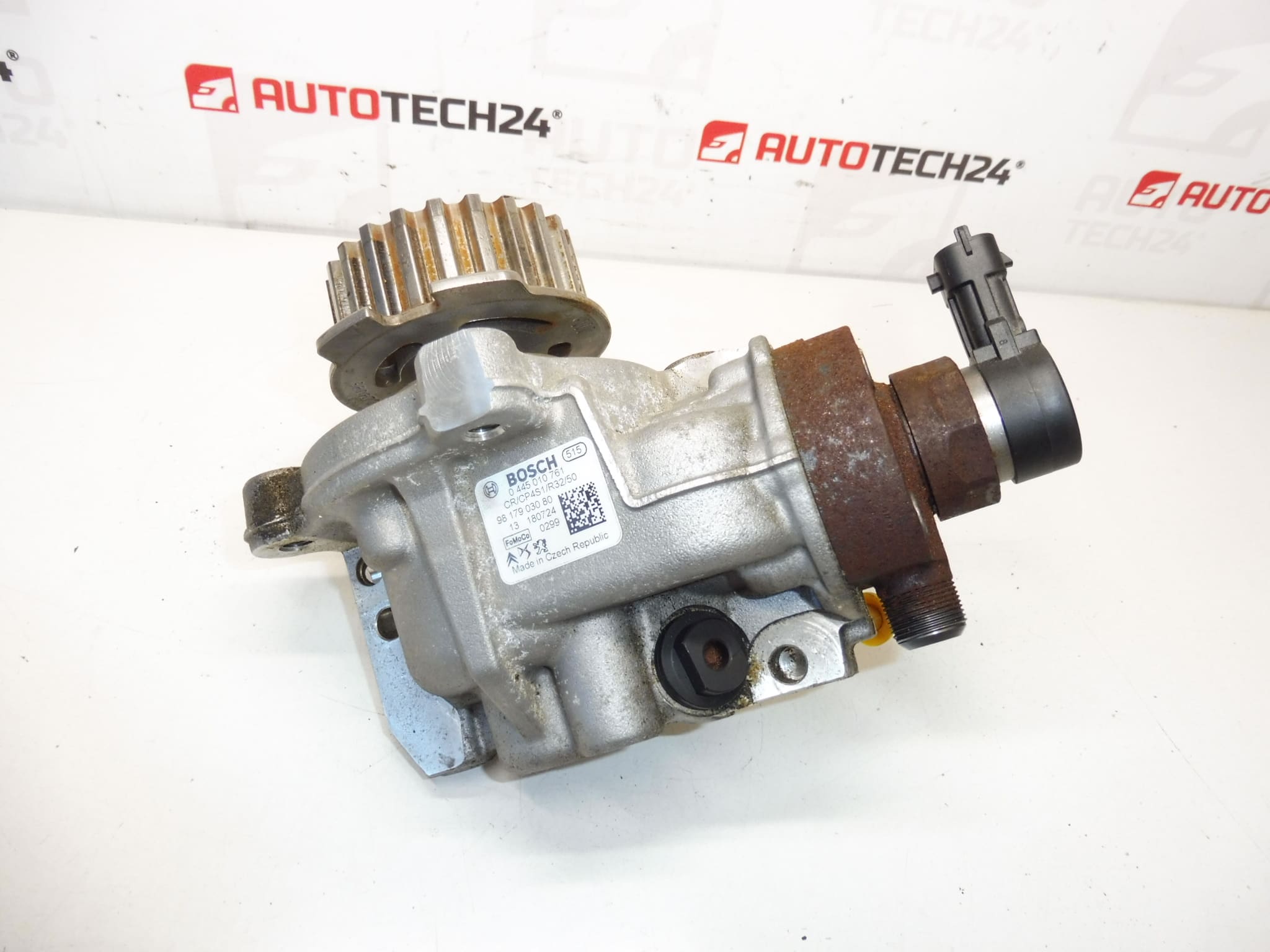
Bosch fuel injection pump for Citroën, Peugeot, Opel, Fiat vehicles. For 1.5 HDi engines. Removed from a vehicle with 48,000 km mileage.
This high-pressure Bosch injection pump is designed for 1.5 HDi diesel engines and is commonly searched for by its part numbers. It is suitable for professional workshops and experienced DIYers who perform fuel-system repairs. The unit supplies high-pressure fuel to the common-rail system, ensuring correct injection pressure and dosing for smooth combustion and reliable engine performance. Common search keywords include the Bosch and OEM codes listed below, which helps find the exact replacement quickly.
Technical Information
- Manufacturer: Bosch
- Model: 1.5 HDi Applications (Citroën, Peugeot, Opel, Fiat)
- Product Codes: 0445010761, 9817903080, 1631886980
- Additional Numbers: 445010761
Compatible Models (Examples)
Citroën Berlingo III, Peugeot Partner III, Peugeot Rifter and other small vans and passenger cars equipped with 1.5 HDi engines. Compatibility is typically verified by matching the pump part number with the vehicle’s OEM references.
Function And Importance
The high-pressure injection pump delivers the pressurised fuel required by the common-rail injectors. It regulates rail pressure and the amount of fuel available for each injection event. A properly working pump is essential for fuel economy, emissions control and engine drivability—symptoms of a failing pump include hard starting, loss of power, rough idling and fuel leaks.
Common Causes Of Failure
- Fuel Contamination: Dirty fuel or water in the diesel causes accelerated wear of internal components.
- Wear And Tear: High-pressure elements and seals wear over time, especially when maintenance intervals are neglected.
- Fuel System Issues: Faulty filters, clogged return lines or failing injectors increase load on the pump.
- Electrical Or Control Faults: Problems with the pump’s control actuator or wiring can cause malfunction.
Replacement And Installation Recommendations
- Safety First: Depressurise the fuel system and disconnect the battery before starting work.
- Prepare: Clean the surrounding area to avoid contamination when removing fuel lines. Replace all sealing washers and O-rings with new parts during installation.
- Removal: Carefully disconnect fuel lines and electrical connectors. Retain fasteners and mark timing/reference points if visible.
- Installation: Fit the pump with new seals, tighten mounting bolts to manufacturer specifications, reconnect lines and electrical plugs. Prime the fuel system and bleed air from the circuit.
- Calibration: After installation, priming and bleeding are required. The engine management may need a diagnostic tool to purge air, reset adaptations or confirm rail pressure—professional diagnostic equipment is often necessary to complete the job correctly.
- Test: Check for fuel leaks, proper idle and rail pressure (if equipment is available). Road-test the vehicle to verify drivability.
Why This Part Fails Most Often
Pump failures most commonly result from contaminated fuel and neglecting fuel-filter maintenance, which allows abrasive particles and water to damage high-pressure components and seals. Repeated cold starts, short-trip operation and clogged return lines also shorten pump life.
Notes For Buyers
Search by the listed product codes (0445010761, 9817903080, 1631886980, 445010761) to ensure you select the correct unit. This pump is a direct-fit replacement for vehicles using the listed 1.5 HDi systems—installing and commissioning should be carried out by a competent mechanic or by a DIYer familiar with diesel fuel-system procedures and diagnostic tools.