Description
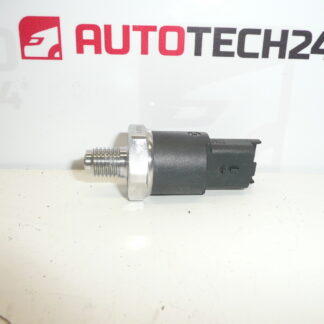
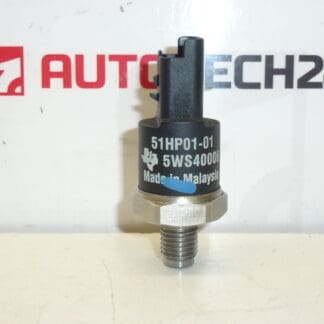
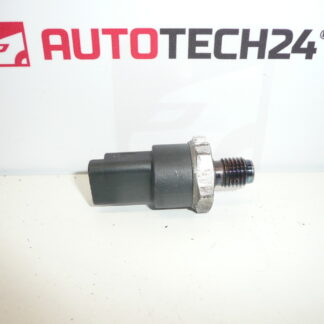
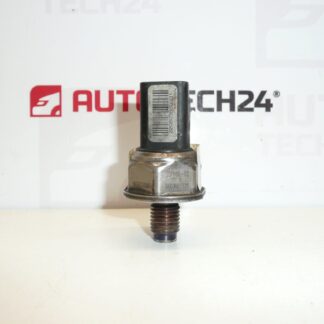
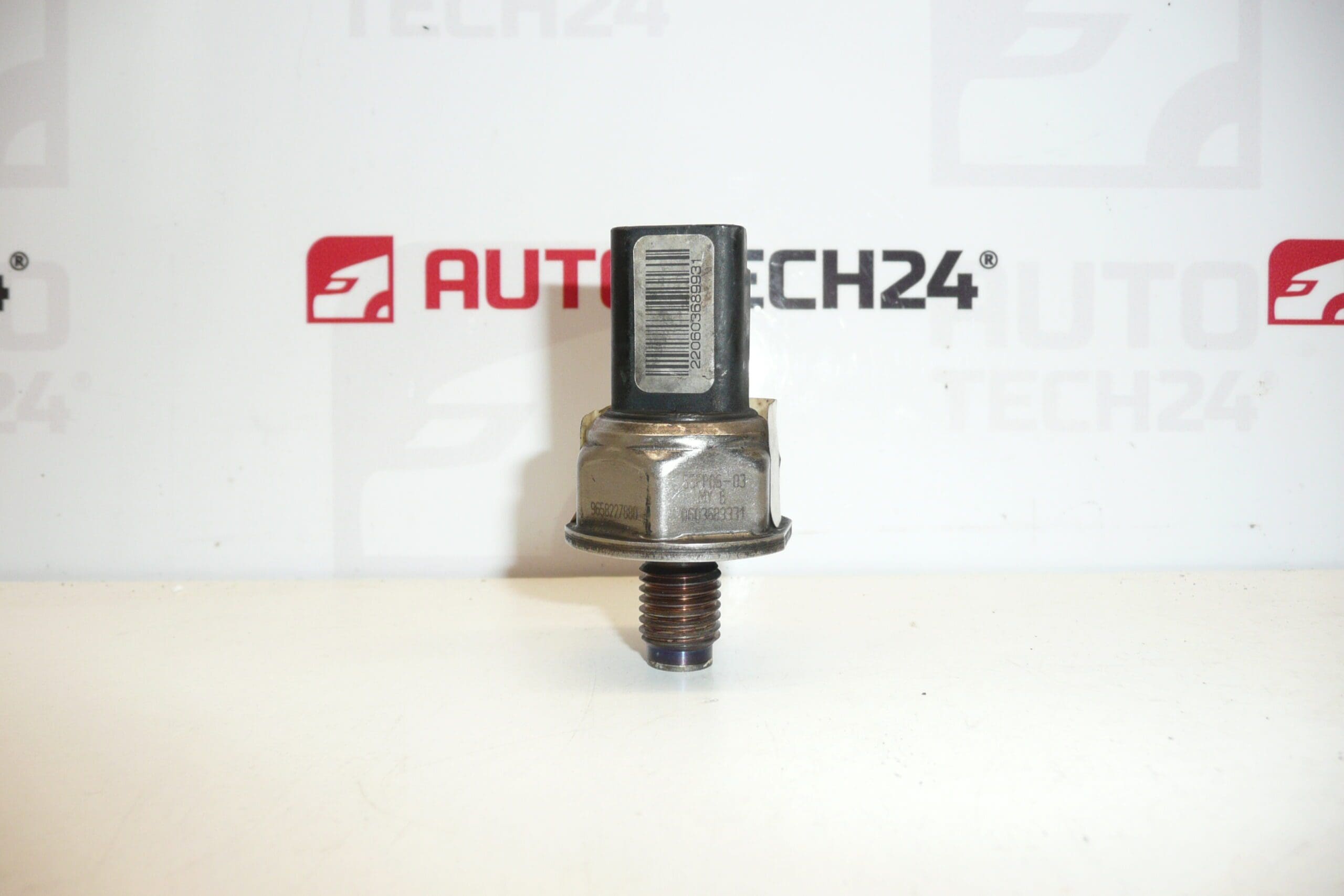
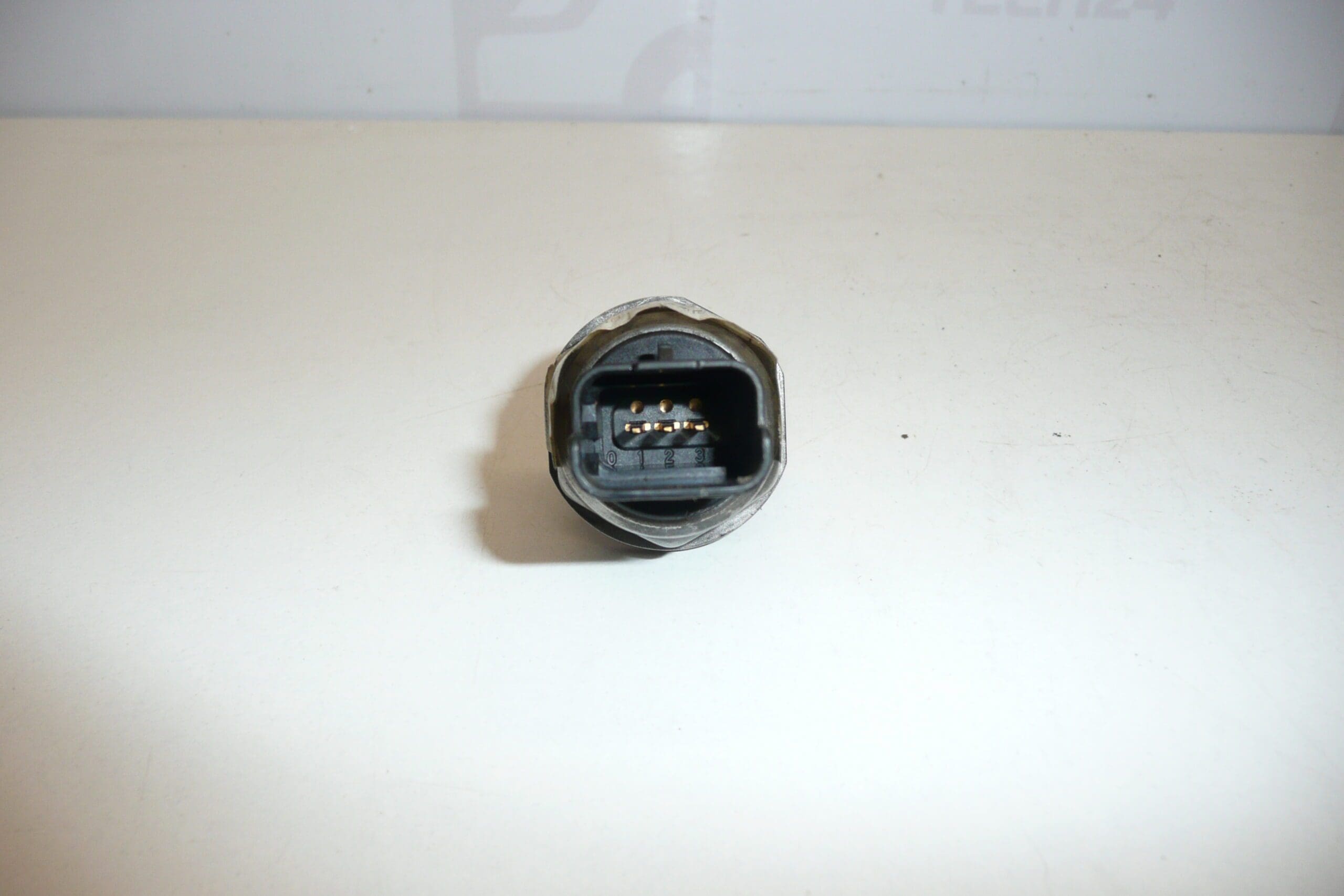
Fuel pressure sensor for 1.6 HDI and 2.0 HDI engines. Used part with guaranteed functionality.
This Fuel Pressure Sensor is a direct-fit unit commonly used on Stellantis diesel engines and referenced under OEM numbers 9658227880, 1920GW and 5WS40039. Designed for mechanics and DIY enthusiasts, the sensor helps maintain correct rail pressure, ensure stable injection timing and prevent drivability issues. The part is particularly sought by customers using product numbers when searching online, so the OE references are included for fast identification.
Technical Information
- Manufacturer: Stellantis (Citroën / Peugeot)
- Model: Engines 1.6 HDi, 2.0 HDi
- Product Codes: 9658227880, 1920GW, 5WS40039
- Other Numbers: Commonly Cross-Referenced By The Above OE Codes
Compatibility And Typical Applications
Fits Many Citroën And Peugeot Models Equipped With 1.6 HDi Or 2.0 HDi Engines. Typical Examples Include Citroën C3, C4, Berlingo And Peugeot 207, 308, Partner. Use The OE Numbers Above To Confirm Exact Fitment For Specific Model Years And Engine Variants.
Function And Symptoms
The Fuel Pressure Sensor Measures Rail Pressure And Sends A Signal To The Engine Control Unit (ECU) To Adjust Injection Timing And Quantity. Symptoms Of A Faulty Sensor Include:
- Check Engine Light (MIL) Illumination
- Hard Starting Or Extended Cranking
- Rough Idle And Hesitation Under Load
- Reduced Engine Power And Increased Fuel Consumption
- Intermittent Stalling Or Limp-Home Mode
Common Failure Causes
Fuel Pressure Sensors Typically Fail Due To Contamination From Particulate Or Water In Fuel, Corrosion Of Electrical Connectors, Mechanical Wear Of Internal Sensing Elements, Or Damage From Excessive Heat And Vibration. Failure Can Occur Gradually With High Mileage Or Abruptly After Exposure To Contaminated Fuel Or Electrical Faults.
Recommended Replacement Procedure
- Work In A Well-Ventilated Area And Wear Eye Protection. No Open Flames Or Smoking Nearby.
- Relieve Fuel System Pressure Safely According To Workshop Practice (For Example By Using The Fuel Pressure Relief Port Or By Following Vehicle Manufacturer Procedure).
- Disconnect The Negative Battery Terminal To Reduce Risk Of Sparks When Working Near The Fuel System.
- Disconnect The Electrical Connector From The Sensor And Carefully Remove Any Retaining Fasteners.
- Remove The Sensor From The Fuel Rail, Inspect The Mounting Port And Replace The O-Ring Or Seal If Damaged. Lightly Lubricate New O-Ring With Clean Engine Oil Or Specified Grease Before Installation.
- Install The New Sensor, Refit Fasteners To Manufacturer Guidance, Reconnect The Electrical Connector And The Battery.
- Prime The Fuel System If Required, Start The Engine And Check For Leaks. Clear Any Stored Fault Codes With An OBD Scanner And Verify Proper Operation.
Installation Recommendations
Always Replace The O-Ring Or Seal When Installing A New Sensor To Ensure A Leak-Free Fit. Clean The Surrounding Area Before Removal To Prevent Debris Entering The Fuel Rail. Inspect Wiring Harness And Connector Pins For Corrosion Or Damage And Repair As Necessary. After Replacement, Monitor For Leaks And Recheck Engine Codes To Confirm Normal Operation.
Typical Service Life
Service Life Depends On Fuel Quality, Operating Conditions And Electrical Environment. Sensors May Last Well Over 100,000 Km Under Normal Conditions, But Contamination Or Connector Corrosion Can Shorten Lifespan Significantly.