Description
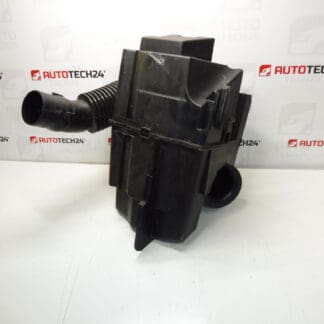
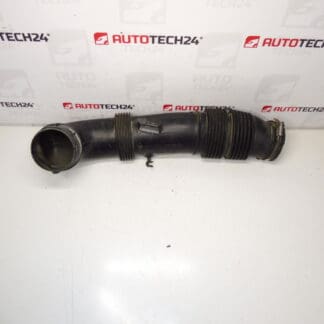
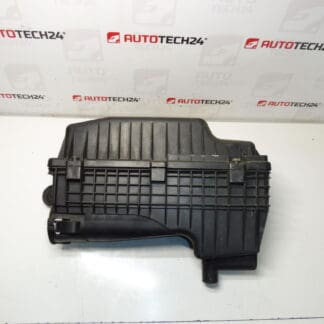
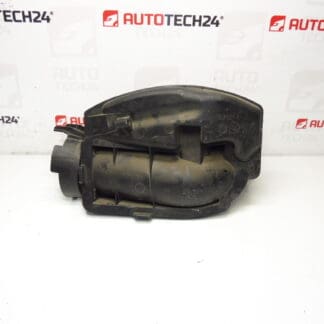
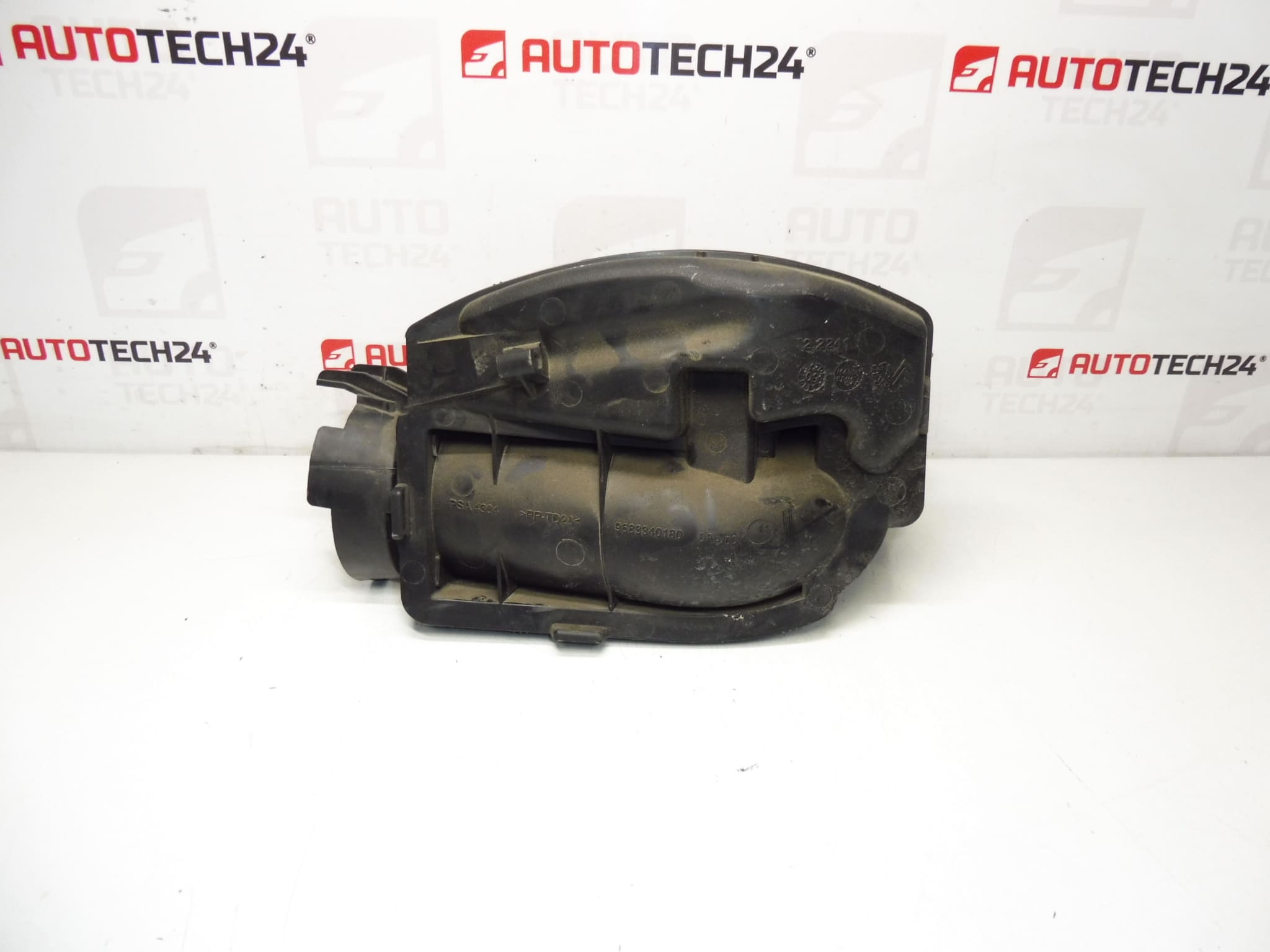
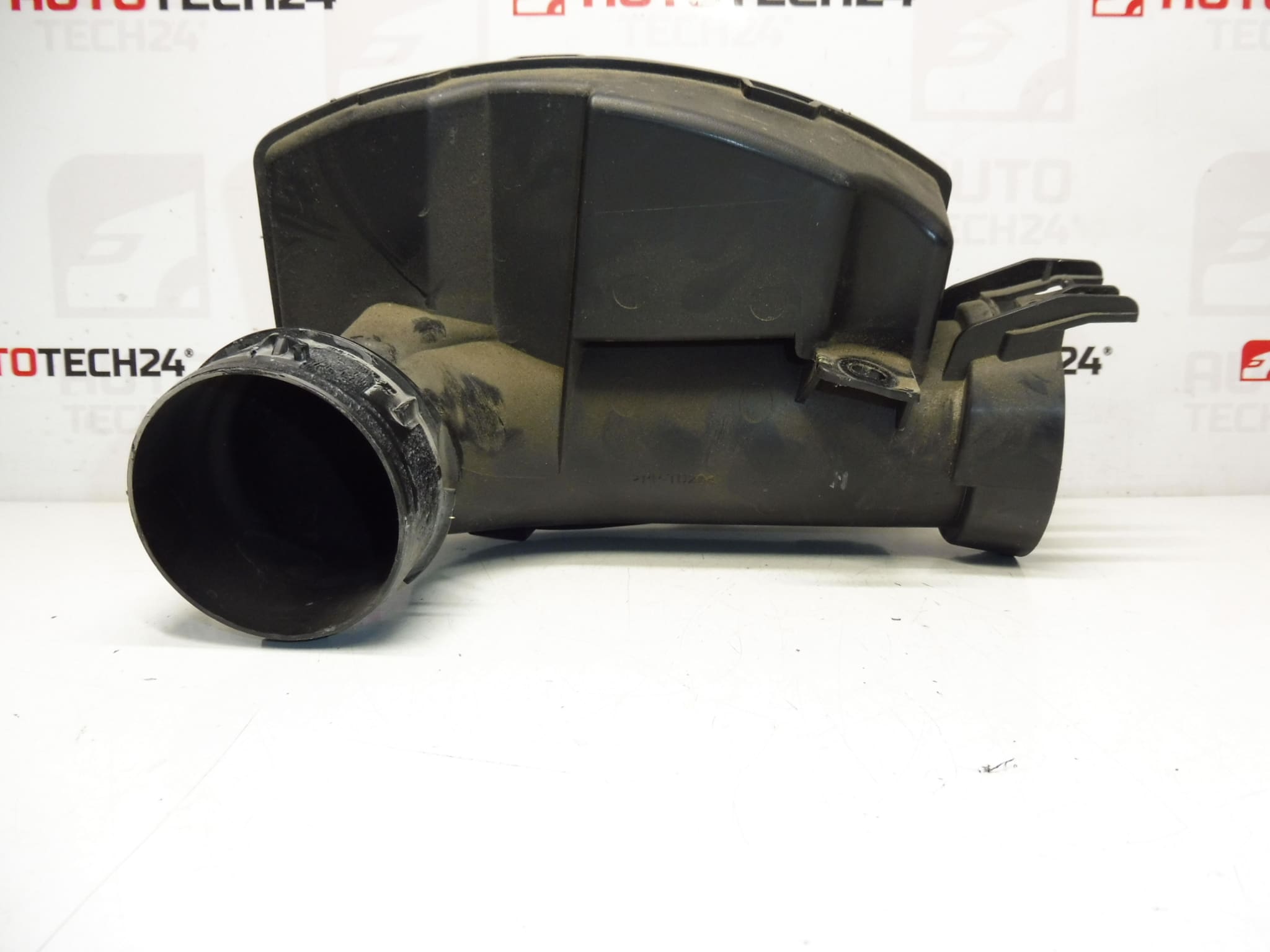
Intake Air Resonator For 1.4 VTI And 1.6 VTI Engines For Peugeot And Citroën Vehicles
This intake air resonator is designed for petrol 1.4 VTI and 1.6 VTI engine families used in a range of Citroën and Peugeot models. It dampens intake tract noise, evens airflow pulses and helps maintain stable induction characteristics — improving throttle response and reducing unpleasant resonance at certain engine speeds. The part is frequently searched under OE numbers 9683340180 and 1436Q9, making it easy to find for professional mechanics and DIY enthusiasts alike.
Key Benefits
– Reduces Intake Noise And Resonance
– Helps Maintain Consistent Airflow To The Engine
– Direct Replacement For Specified OE Numbers
– Simple Fitting With Standard Intake Clamps
Technical Information
- Manufacturer: Stellantis (Citroën / Peugeot)
- Model: Citroën C3 II, Citroën C3 Picasso, Peugeot 207, Peugeot 208
- Product Codes: 9683340180, 1436Q9
- Additional Numbers: Compatible With 1.4 VTI (70 kW) And 1.6 VTI Petrol Variants Where Factory Intake Layout Matches
Installation Recommendations
Installation Is Straightforward For Any Mechanic Familiar With The Intake System:
- Work On A Cold Engine And Park On A Level Surface.
- Remove The Air Intake Hose Or Airbox Cover To Access The Resonator Body.
- Loosen Hose Clamps And Unclip Any Fasteners Holding The Resonator.
- Inspect Adjacent Hoses, Clamps And The Airbox Sealing Surface; Replace Any Fragile Or Cracked Hoses.
- Fit The New Resonator, Ensure Tight Seals On All Connections And Reuse Or Replace Clamps As Needed.
- Start Engine And Check For Air Leaks, Unusual Noises Or Error Codes. A Short Road Test Confirms Correct Function.
Why This Part Most Commonly Fails
Resonators Are Exposed To Heat, Vibration And Occasional Oil Vapors From The PCV System. Over Time Rubber And Plastic Chambers Can Become Brittle Or Crack, Producing Vacuum Leaks Or Whistling Noises. Physical Damage From Road Debris Or Poorly Seated Hoses During Previous Work Also Contributes To Failure. When The Resonator Is Compromised, Drivers May Notice Increased Intake Noise, Slight Loss Of Low-Range Smoothness Or Erratic Idle In Severe Cases.
Practical Tips For Mechanics And DIYers
- Always Compare The OE Numbers (9683340180 / 1436Q9) Before Ordering To Ensure Correct Fitment.
- Replace Any Worn Intake Hoses And Use Quality Clamps To Prevent Future Leaks.
- When Diagnosing Intake Noise, Inspect The Resonator Early — It Is A Common And Inexpensive Source Of Noise And Driveability Issues.
With Correct Fitment This Resonator Restores The Original Acoustic And Flow Characteristics Of The Intake System, Making It A Practical Repair For Both Professional Workshops And Competent Home Mechanics.