Description
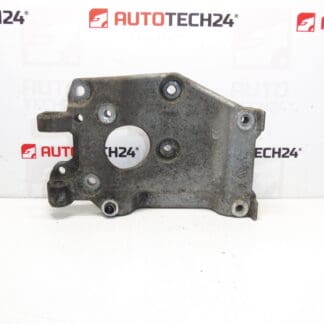
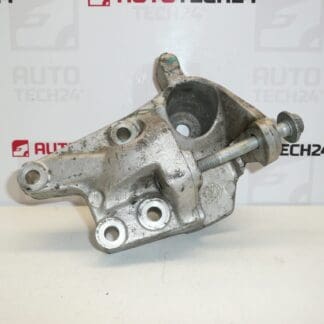
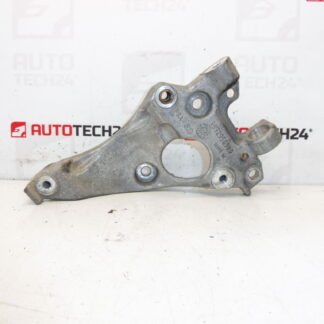
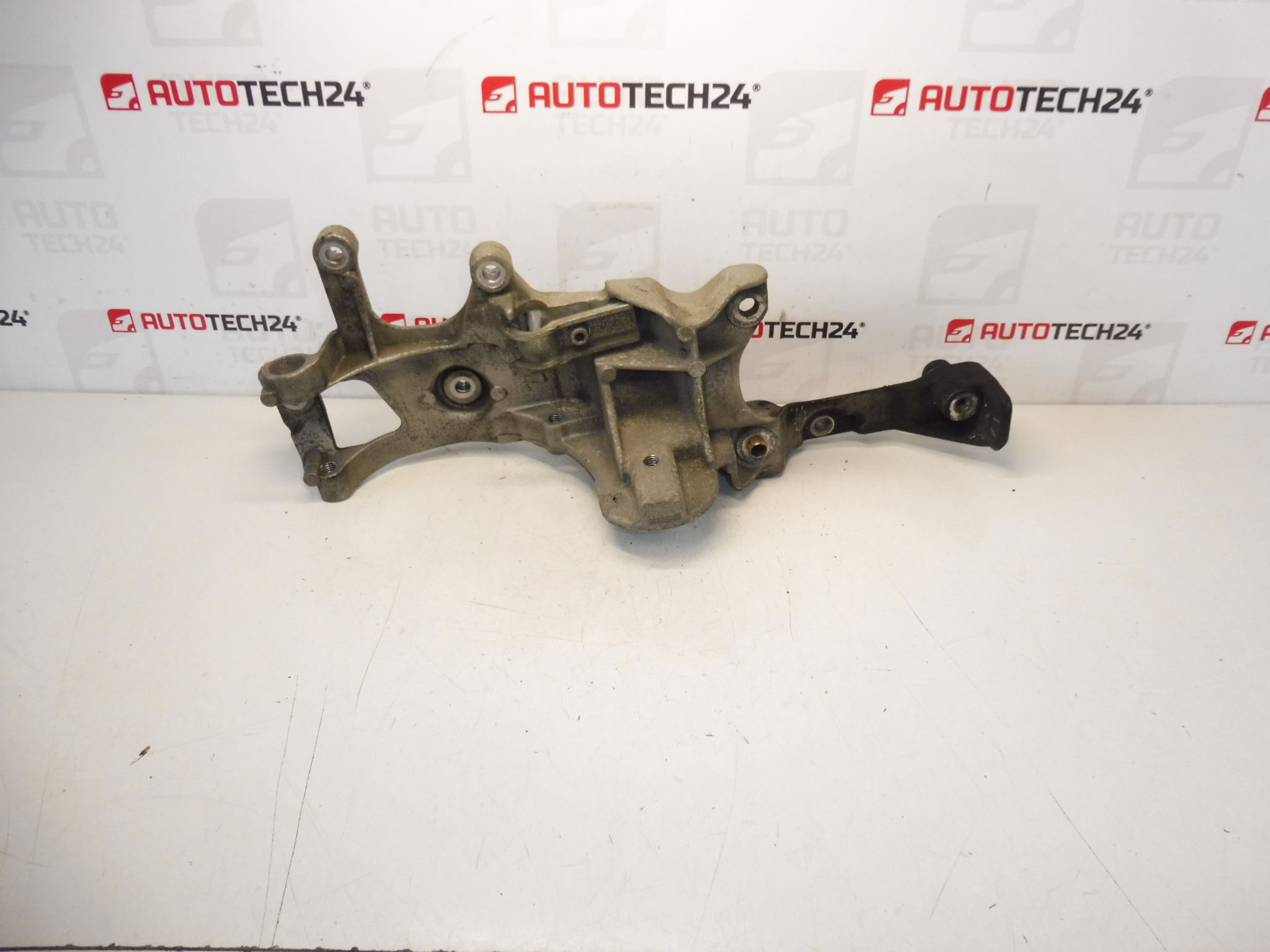
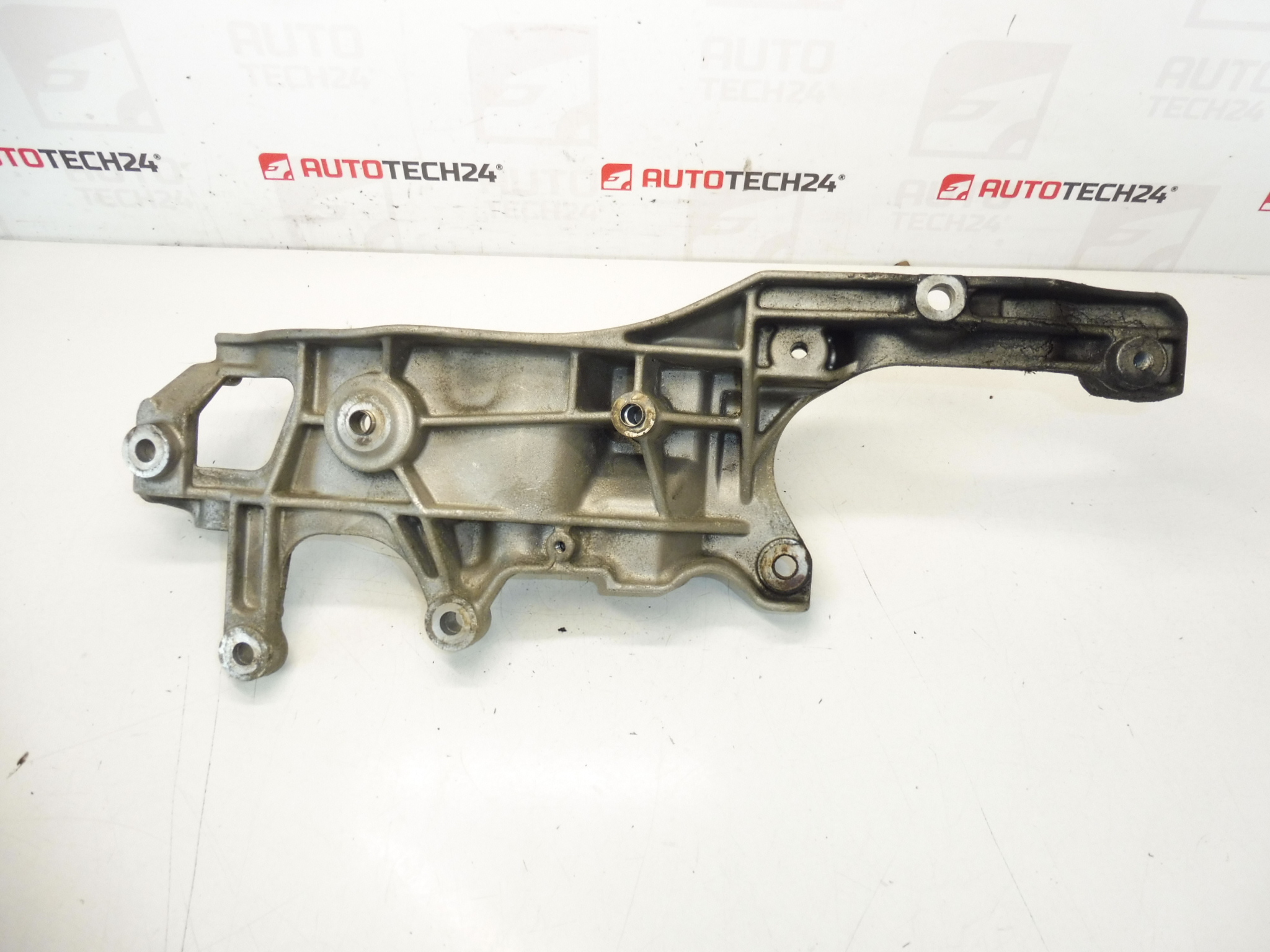
Mount for Air Conditioning Compressor And Alternator For 2.0 HDi RH02 Engine For Citroën And Peugeot Vehicles.
High-quality replacement mounting bracket designed for the 2.0 HDi RH02 engine to secure the air conditioning compressor and alternator. Ideal for professional workshops and DIY mechanics who need a reliable, OE-compatible bracket that restores correct alignment and belt tension. Frequently searched by part numbers 9688628680 and 5706N7, this bracket improves engine accessory stability, reduces vibration and prevents premature wear of belts and pulleys.
Technical Information
- Manufacturer: Stellantis (Citroën / Peugeot)
- Model: 2.0 HDi RH02
- Product Codes: 9688628680, 5706N7
- Additional Numbers: NFP
- Compatible Vehicles: Citroën C4 Picasso; Citroën C5 (X7); Citroën C8; DS4; DS5; Peugeot 3008 I; Peugeot 308; Peugeot 407; Peugeot 807; Peugeot 508
How It Is Replaced
Replacement requires basic workshop tools and some experience with engine accessory removal. Typical procedure:
- Park on level ground, engage handbrake and support the vehicle securely on axle stands.
- Disconnect the negative battery terminal to avoid accidental short circuits when working near the alternator.
- Relieve belt tension and remove drive belts (serpentine/accessory belts) to gain access to the bracket.
- Support the compressor and alternator (or remove them from the bracket) so they do not hang on hoses or wiring.
- Unbolt the old bracket from the engine block and remove. Inspect mating surfaces and fasteners for corrosion or damage.
- Fit the new bracket, tighten bolts to manufacturer torque specifications, and reinstall compressor/alternator and belts. Replace any damaged fasteners or worn belt tensioners.
- Start the engine and verify correct belt alignment, tension and absence of unusual vibration or noise.
Installation Recommendations
- Use Correct Torque: Always tighten mounting bolts to the manufacturer’s torque settings to avoid deformation or premature loosening.
- Inspect Related Parts: Replace worn belts, tensioners, pulleys and any corroded fasteners while replacing the bracket to ensure a long-lasting repair.
- Transfer Components Carefully: If transferring compressor or alternator between brackets, support electrical connectors and refrigerant lines to avoid damage.
- Clean Mating Surfaces: Remove rust and debris from engine block mounting points to ensure full contact and correct alignment.
- Professional Tools: Use an engine support or jack with a protective pad when supporting engine accessories to prevent damage to oil pan or components.
Why This Part Most Often Fails
- Corrosion And Rust: Road salt and moisture accelerate metal corrosion, weakening the bracket and mounting points.
- Mechanical Fatigue: Long-term vibration and cyclical loads from the engine can cause cracks or deformation.
- Impact Or Accident Damage: Front-end impacts can bend or break the bracket or its mounts.
- Worn Ancillary Components: Failed tensioners or misaligned pulleys increase stress on the bracket and accelerate wear.
- Improper Installation: Loose bolts or incorrect torque can lead to movement, fatigue and eventual failure.