Description
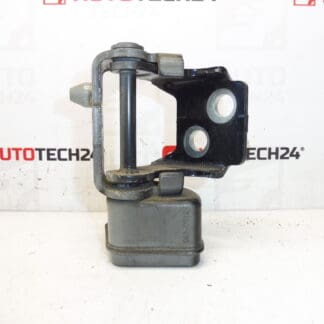
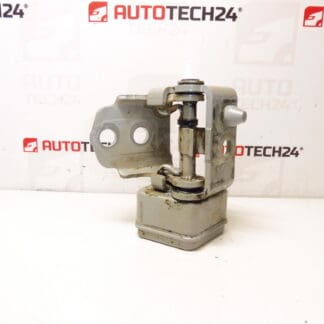
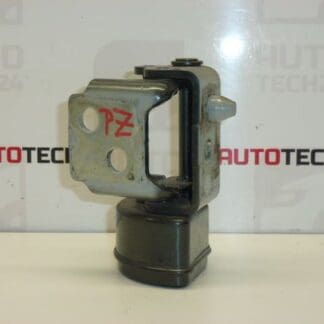
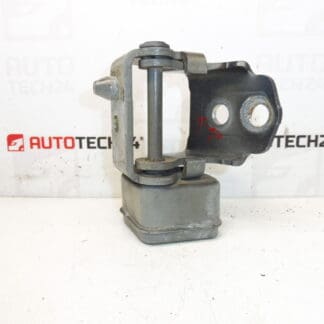
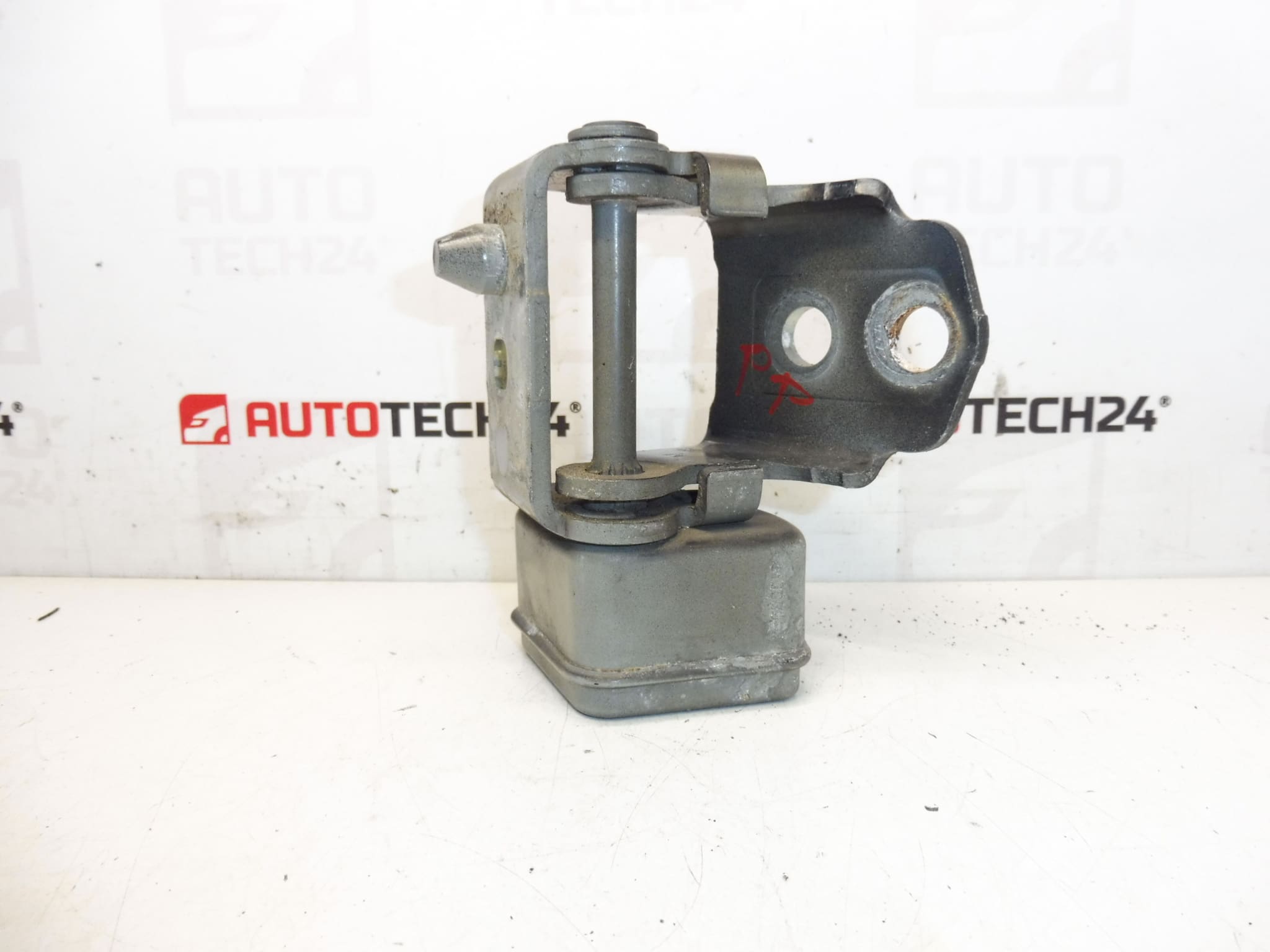
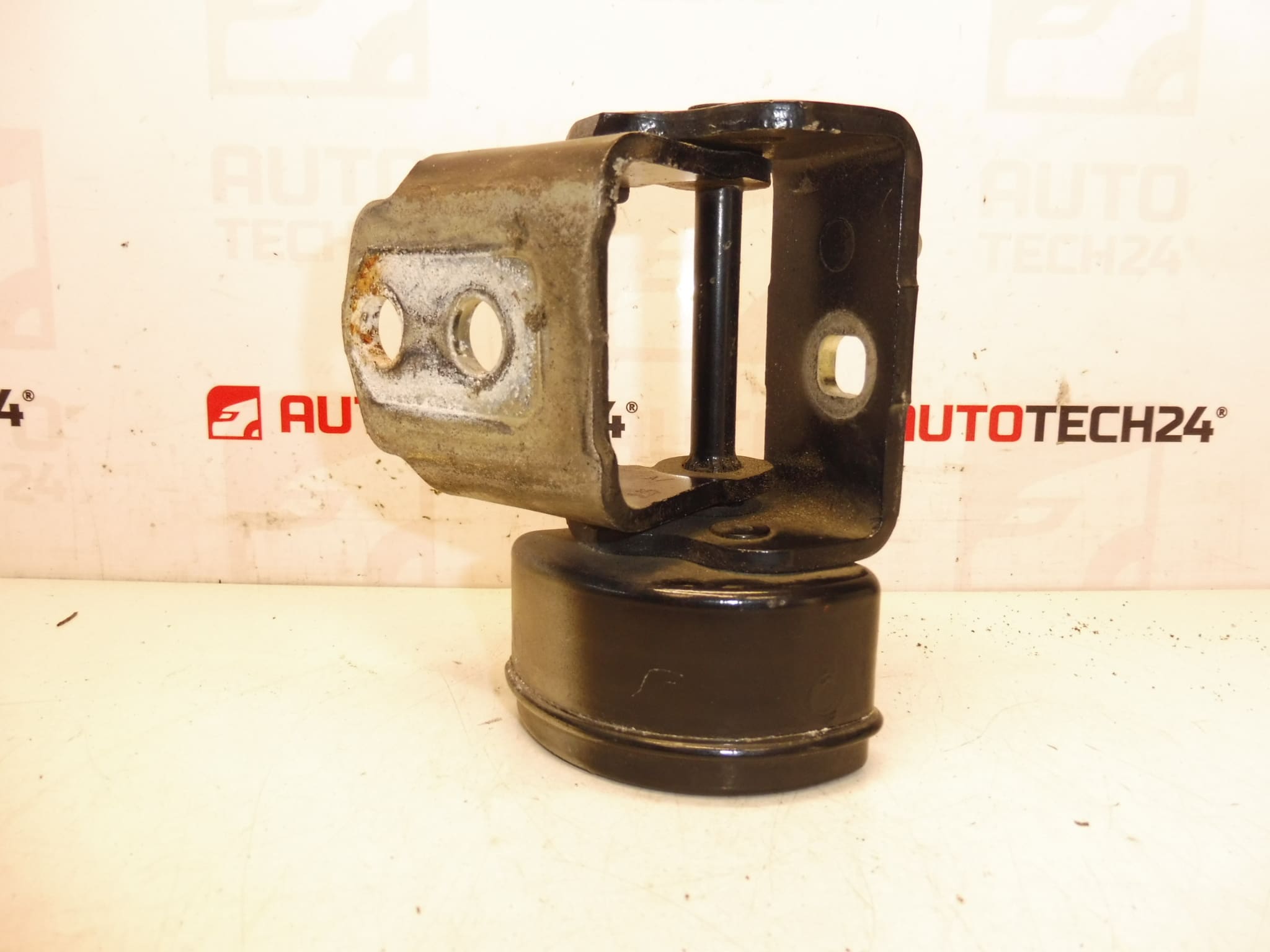
Door limiter, hinge for the right front door for PEUGEOT 207. Color EXL – Obsidian Black paint. Front passenger door.
This door limiter and hinge assembly is an original-fit component for the right front (passenger) door of the Peugeot 207. It secures the door in set open positions, prevents over-travel and reduces stress on the door hinges and body pillar. Ideally suited for professional workshops and competent DIYers who search by part number (9035T4) to ensure correct replacement. Constructed to match the factory mounting points and paint finish (EXL – Obsidian Black) for a precise visual and functional fit.
Features & Benefits
Provides reliable door stopping and controlled opening action to avoid damage to paintwork and bodywork. Direct-fit design simplifies replacement and restores OEM behavior. Compatible finish reduces the need for additional painting when replacing the visible hinge limiter on vehicles finished in Obsidian Black (EXL).
When To Replace
Replace the door limiter if you notice loose or sloppy door movement, the door does not hold in open positions, abnormal noises (clunking or grinding) when opening/closing, visible wear or deformation of the limiter arm, or corrosion that compromises structural integrity. Replacement is recommended after accident damage to the door or A-pillar area, or when wear starts to affect safe door operation.
Replacement Procedure (Overview)
- Prepare: Park on level ground, secure the vehicle, and have appropriate tools ready (torx/sockets, trim tools, torque wrench).
- Support Door: Open the door and support it to prevent sagging—use a padded prop or a second person if necessary.
- Remove Fasteners: Unscrew the mounting bolts that attach the limiter to the body and the inner door. Typical assemblies use two or three bolts on each side.
- Replace Assembly: Install the new limiter in the same orientation, hand-start bolts, then tighten to the manufacturer’s torque specification where available. Check alignment so the door closes and latches correctly.
- Test Operation: Operate the door through its full range, verify the limiter holds in detented positions and there is no binding. Re-check fasteners after a short test drive.
Technical Information
- Manufacturer: Stellantis (Peugeot/Citroën)
- Model: Peugeot 207
- Product Codes: 9035T4
- Additional Numbers: EXL (Obsidian Black Paint)
Recommendation For Installation
Perform installation in a clean, well-lit workspace. Support the door to avoid strain on hinges and latch mechanisms during replacement. Use appropriate torque values for fasteners where available and ensure bolts are tightened evenly. Lubricate pivot points with a suitable grease after installation to prolong service life. If the door alignment changed after replacement, check hinge bolts and striker position and adjust as needed.
Why This Part Fails Most Often
Common causes of failure include metal fatigue from repeated opening/closing cycles, corrosion from road salt and moisture that weakens the housing or bolts, impact damage from accidents or door strikes, and wear of internal detent mechanisms. Lack of lubrication and heavy loads (holding the door open against strong wind) accelerate wear.
Particularly useful for mechanics and experienced DIYers searching by part number 9035T4; ensures fast identification and correct fit for Peugeot 207 right front passenger doors.