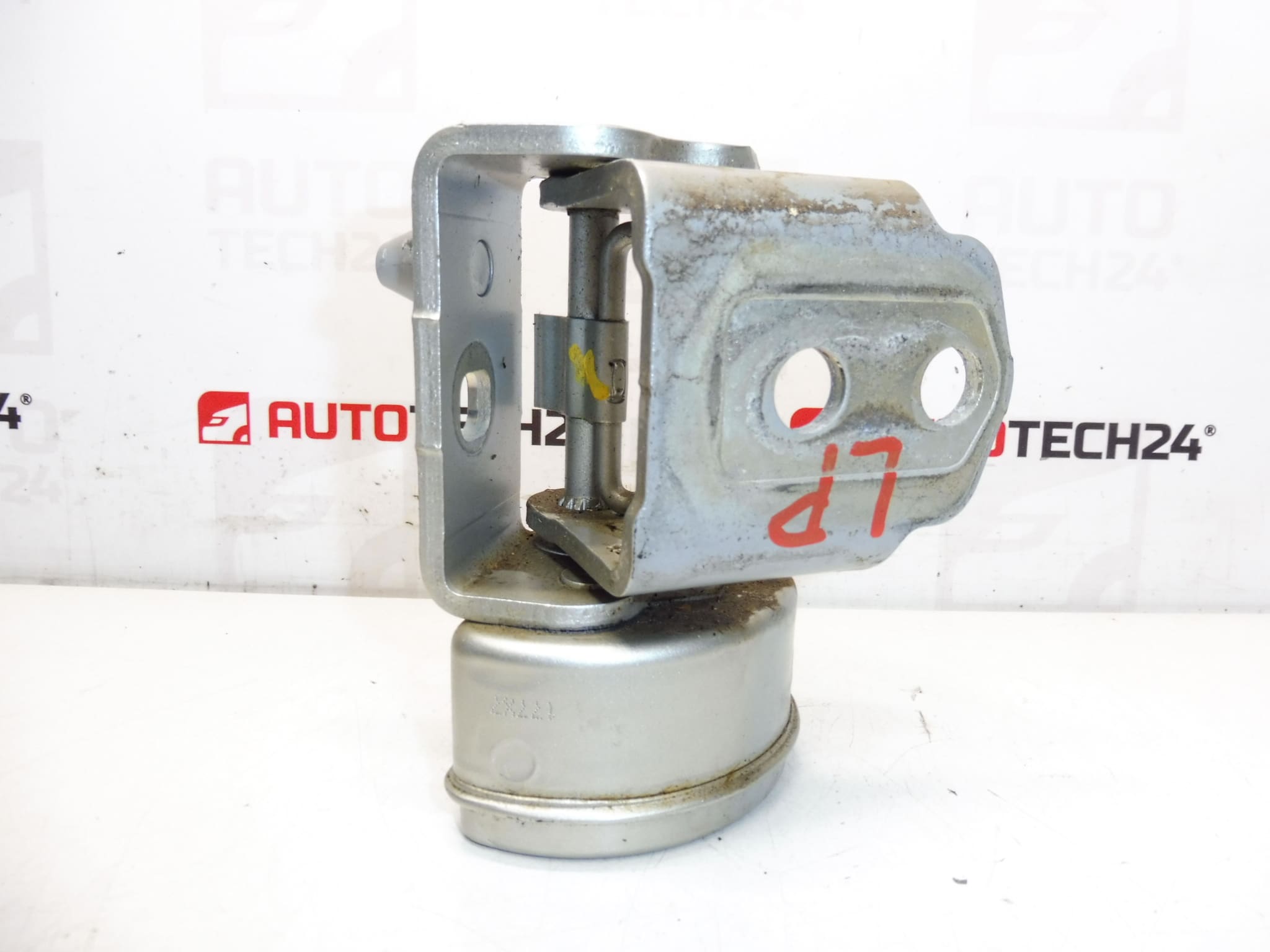
Description
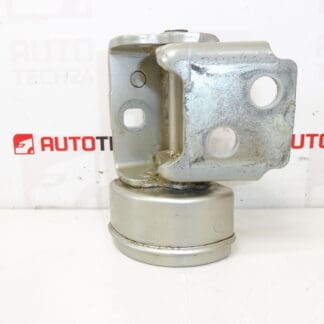
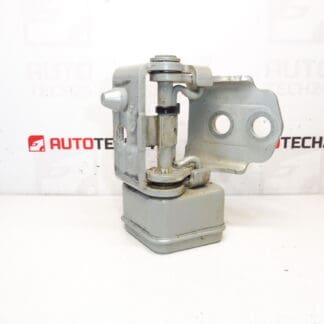
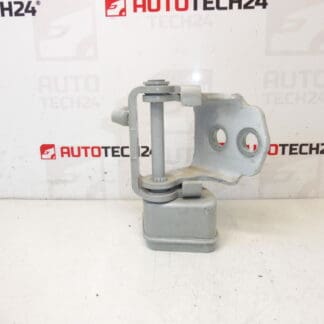
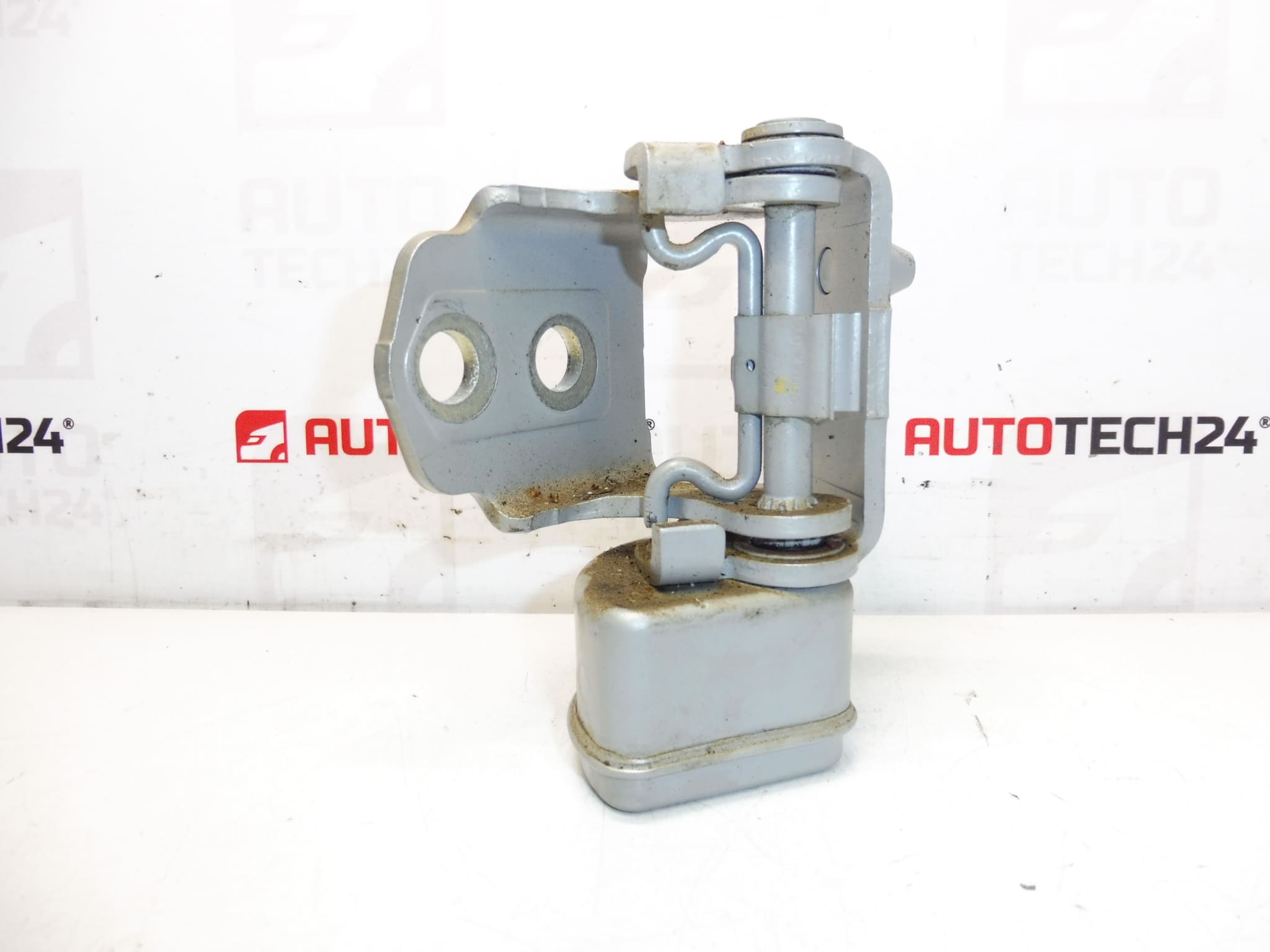
Stop – limiter of the left front door PEUGEOT 207
From a car with only 46,000 km
ETS color – CENTRE GRAY PAINT
Solid – tried and tested
Part description
This left front door stop for Peugeot 207 serves to continuously limit the opening of the doors and to hold them in typical positions. It helps protect the hinges and the door itself from excessive stress (e.g. during sudden opening or a gust of wind) and contributes to the safe operation of the door without unwanted noises and “skipping”.
The part is from a low mileage car and is listed as solid and tested. For used stops, it is essential that they have the right stiffness and are not squeezed in the joints – these are exactly the properties that you will feel the most in practice during replacement.
Technical information
- Type of part: stop / door limiter
- Side: left front door
- Color: ETS – Cendre gray lacquer
Product codes
- Product codes: 23709080, 9035T5
Installation recommendations
Generally/typically replacing a door stop is mechanical work in the door and A-pillar area. The exact design may vary depending on the specific design of the car.
1) Before assembly (checks of used part)
- Compare the new stop with the old piece: shape, length, fit, orientation and markings/codes (if visible).
- Check that the stop is firm, without excessive play in the joints and without cracks or deformations.
- Check the condition of the mounting holes/pins – they must not be squeezed out.
2) Necessary tools and materials (in general)
- Normal set of gola/ratchet and attachments, or bits depending on the used connecting material
- Pry bar/plastic pry bar for removing covers or upholstery (if access is obstructed)
- Door support or helper to secure the door in the open position
- Work gloves, possibly cleaning agent for degreasing
3) Step-by-step assembly procedure
- Secure the vehicle against movement and open the door to a stable position.
- Support the door or get a helper – manipulating the stop can change the stability of the open door.
- If it obstructs access, remove the relevant covers/section of upholstery in the area where the stop is attached (careful not to damage the clips).
- Release the fasteners of the stop on the side of the door.
- Release the stop fasteners on the body side.
- Remove the old stop and check the contact surfaces (corrosion, dirt, bruises).
- Clean the mating surfaces and threads (if dirty) so that the stop fits without tension.
- Insert the stop in the correct position and first lightly clamp it on one side (without final tightening).
- Attach the other side of the stop and check that the stop does not conflict with the position of the door and nothing twists.
- Tighten the fasteners gradually and evenly.
- Perform the opening/closing of the door several times and observe the fluidity of the operation and holding in the positions.
- Reinstall the removed covers/upholstery and double check that nothing rubs anywhere.
-
4) Post-assembly checks and functional test verification
- Check that the door opens smoothly, without metallic sounds and without “skipping”.
- Verify that the stop actually restricts opening and the door holds in typical positions.
- Inspect the fasteners for loosening and the stop for play.
5) The most common assembly mistakes + how to avoid them
- Unsecured door: there is a risk of switching the stop or damaging the hinge – always support the door.
- Ignoring play: if there is play in the mounting, the door will click – check the stop and the mounting before assembly.
- Assembly “by force”: the stop must sit without tension; check the orientation and contact surfaces for resistance.
- Frequent sudden opening of the door and reaching the stop (mechanical overload).
- Gusts of wind, when the door is “torn” to the extreme position.
- Wearing of joints and friction parts – formation of backlash, clicking and irregular operation.
- Corrosion and dirt in the mechanism (mainly for cars operated in demanding conditions).
- Damage after an accident or after hitting the door/hinge, when misalignment occurs and the stop is stressed off-axis.