Description
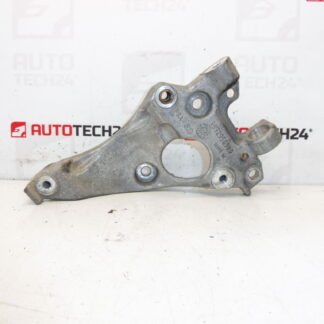
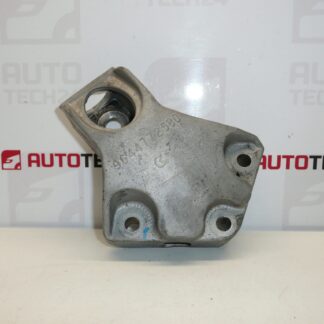
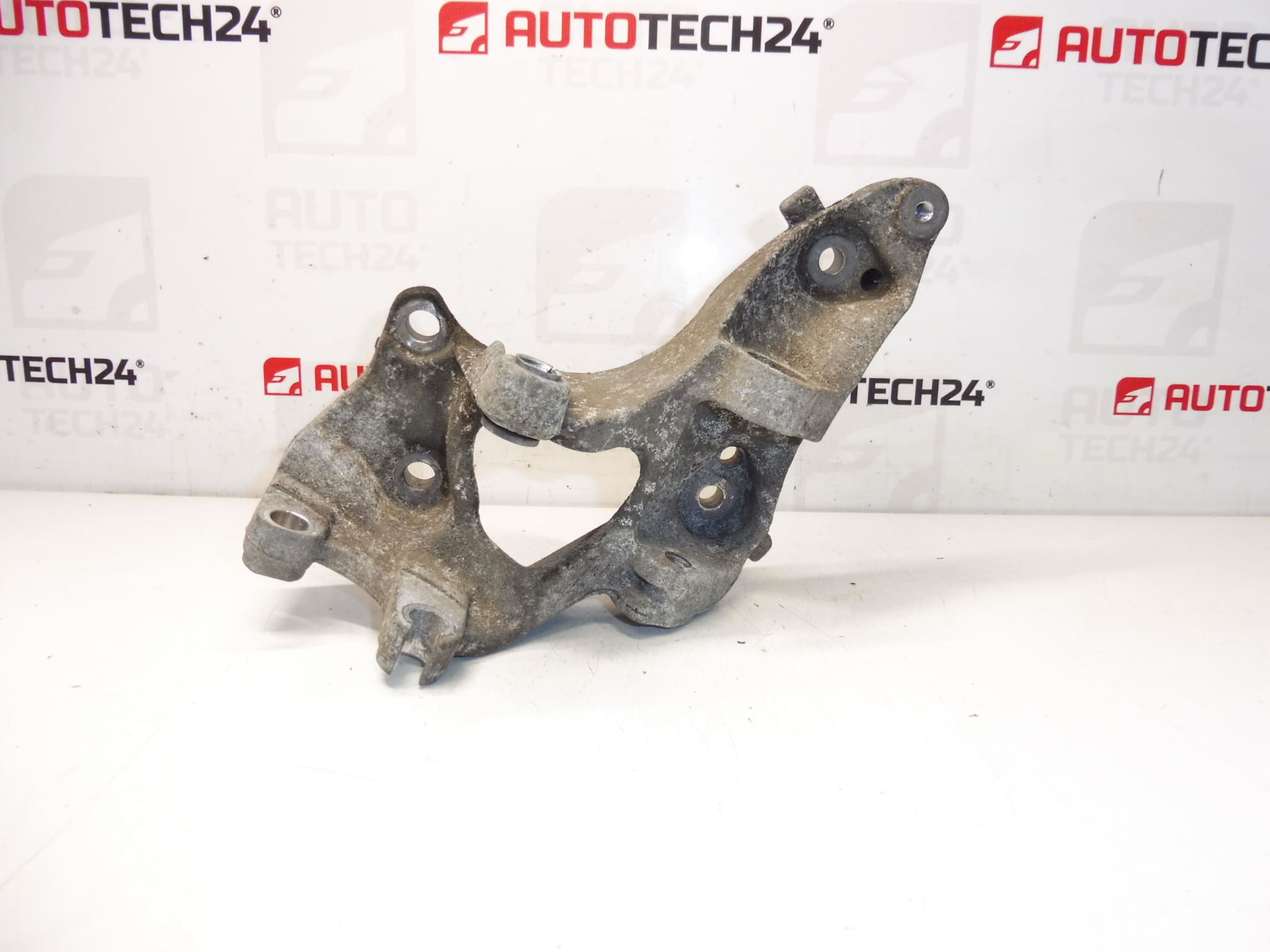
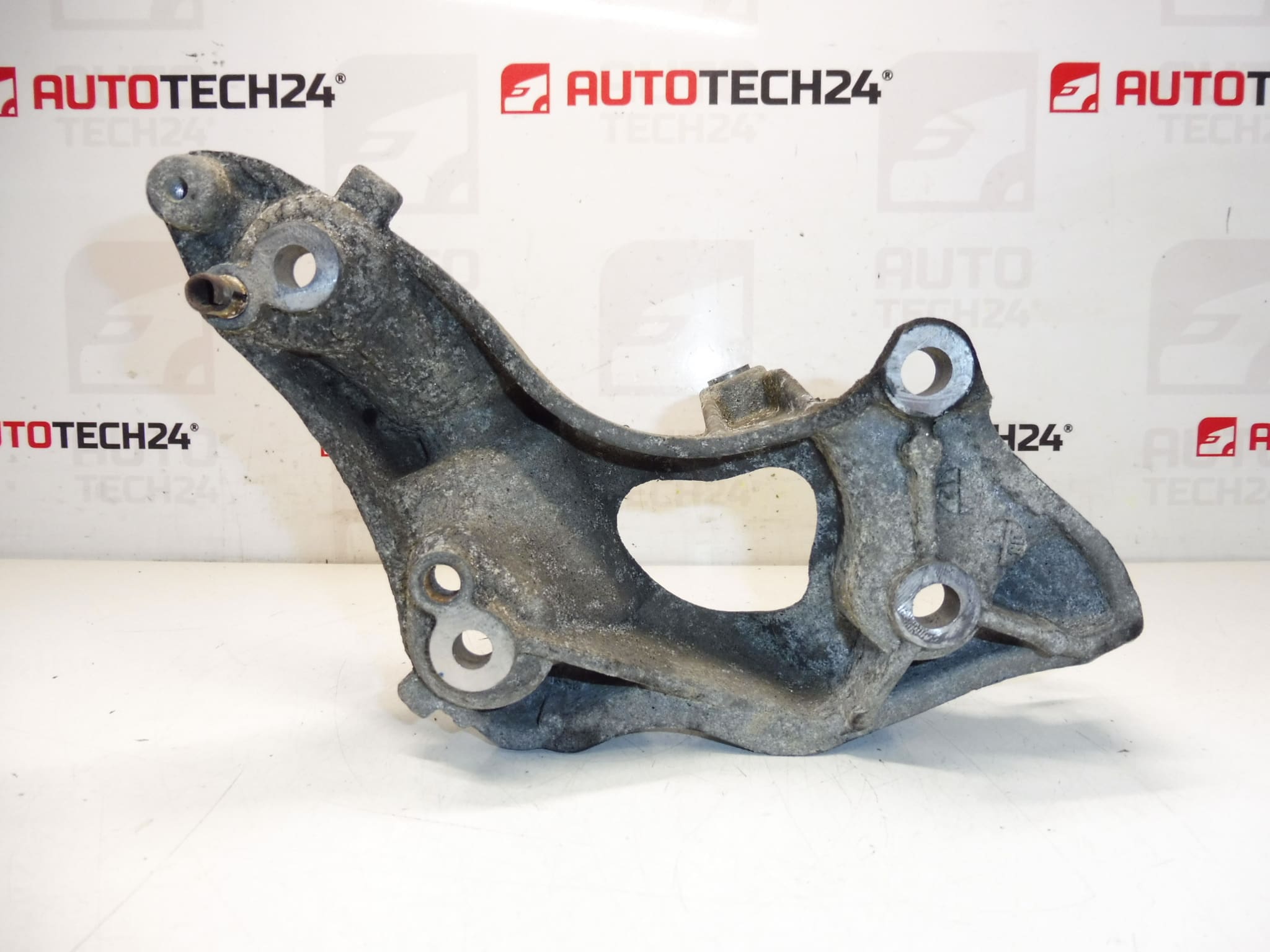
Alternator Bracket 1.6 HDi 16V for Citroën and Peugeot Vehicles
This alternator bracket is designed for 1.6 HDi 16V engines used in various Citroën and Peugeot models. Ideal for professional workshops and experienced DIY mechanics, the bracket ensures correct alignment and secure mounting of the alternator to maintain charging system reliability. Frequently searched by OEM numbers, this part is a direct-fit solution that helps restore belt alignment and eliminates vibration-related charging faults.
Technical Information
- Manufacturer: Stellantis / Citroën / Peugeot
- Model: Citroën C5 (X7), Peugeot 407 — 1.6 HDi 16V
- Product Codes: 9658199180, 5706L3
- Additional Numbers: NFP
Function And Application
The alternator bracket secures the alternator to the engine block and maintains precise belt routing and tension. Proper mounting prevents misalignment that can cause premature belt wear, noise, or alternator bearing damage. On certain variants the bracket also acts as a support point that dampens vibration; some designs incorporate rubber inserts to absorb engine movement.
Compatible Models
Typical fitment includes Citroën C5 (X7) and Peugeot 407 with the 1.6 HDi 16V engine. Always verify the part number printed on the original bracket — common reference numbers for this item are 9658199180 and 5706L3.
Replacement And Installation Recommendations
Recommended basic procedure for replacement (for experienced mechanics/DIY):
- Disconnect the negative battery terminal to avoid electrical short.
- Loosen and remove the accessory drive belt or use a suitable belt tensioner tool to release tension.
- Support the alternator and disconnect electrical connectors and wiring harness.
- Unbolt the alternator from the bracket, then remove the bracket mounting bolts from the engine block.
- Fit the new bracket, tighten mounting bolts evenly, reattach the alternator, reconnect electrical connections and refit the belt to correct tension.
- Check belt alignment and system operation after starting the engine.
Avoid forcing seized bolts; apply penetrating lubricant and use correct sockets to prevent rounding. If the bracket attaches near or under other components, slight additional disassembly may be required. Use proper safety supports if the engine position needs to be held during work. If unsure about torque values for specific bolts, consult the vehicle service manual.
Why This Part Commonly Fails
Common causes of alternator bracket failure include corrosion from road salt and moisture, metal fatigue from long-term vibration, impact damage from collisions, and deterioration of any rubber mounting inserts that reduce damping. Failures lead to alternator misalignment, belt squeal, accelerated belt wear, or alternator bearing overload — all of which can cause charging faults or electrical issues.
Practical Tips For Mechanics And DIY
- Inspect surrounding components (belt, tensioner, alternator bearings) when replacing the bracket to avoid repeat repairs.
- Replace bolts that show corrosion or thread damage; reuse only bolts in good condition.
- Perform a visual and functional check after installation: belt tracking, absence of unusual noise, and stable charging voltage at idle and under load.
- Searching by part number (e.g., 9658199180 or 5706L3) often yields the fastest match for compatibility.
This alternator bracket is a practical spare for workshops and skilled DIYers looking to restore proper charging system function on Citroën and Peugeot 1.6 HDi 16V engines. Correct fitment and careful installation significantly reduce the risk of secondary damage to belts and charging components.