Description
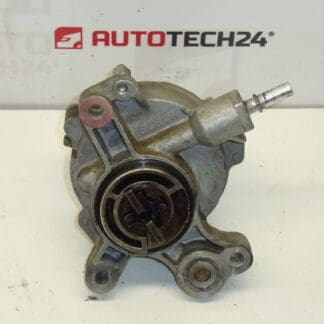
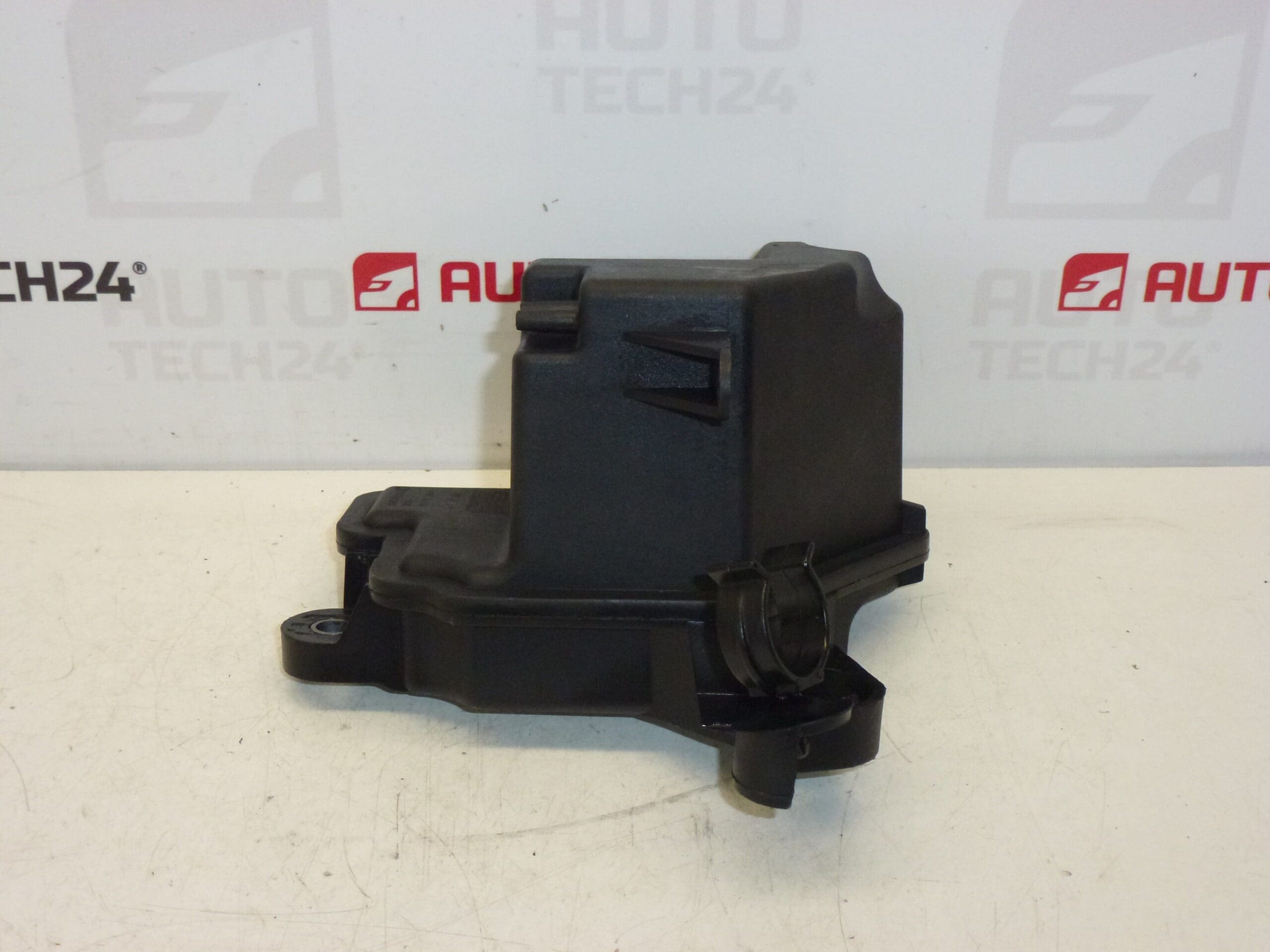
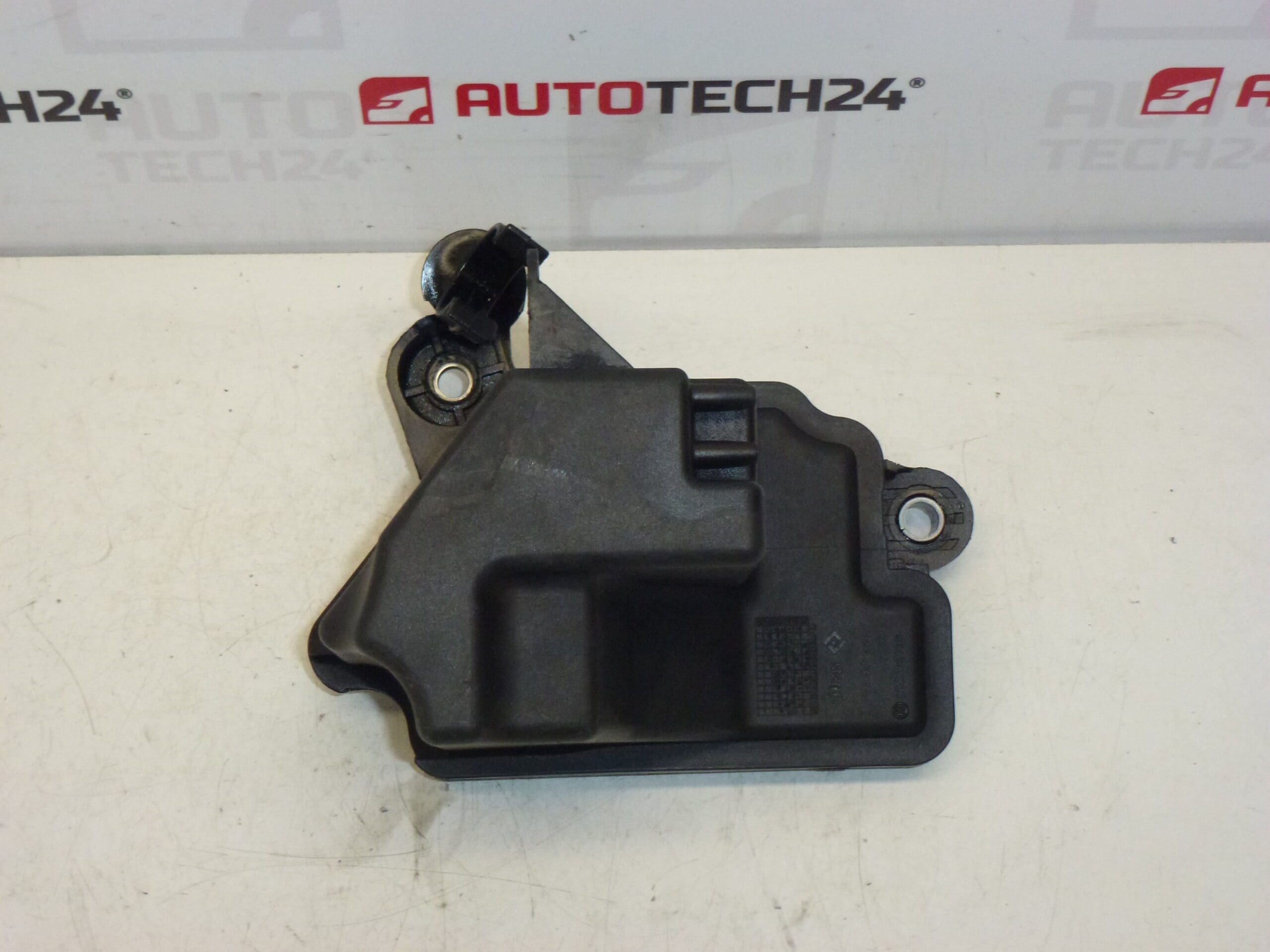
Vacuum reservoir for Citroën, Peugeot, Ford and Volvo vehicles with 2.0 HDi engines.
This used vacuum reservoir (vacuum accumulator) is a direct-fit replacement commonly found on PSA 2.0 HDi powertrains. It stores vacuum produced by the engine or vacuum pump to ensure stable operation of the brake servo and other vacuum-controlled actuators during transient engine conditions. The part is often searched by its reference numbers 9646411180 and 161837 — include these codes when looking up compatibility or spares.
Key Benefits
Reliable vacuum supply for brake booster and ancillary vacuum consumers; restores consistent pedal feel in vehicles with intermittent vacuum loss. Suitable for professional workshops and experienced DIY mechanics performing targeted brake-system or intake-service repairs.
Fitment & Compatibility
Fits a range of Citroën and Peugeot models equipped with the 2.0 HDi engine. Often compatible with some Ford and Volvo vehicles that share PSA 2.0 HDi units. Typical applications include:
- Citroën C4
- Citroën C4 Picasso
- Citroën C5 (including X7)
- Citroën C8
- Peugeot 307
- Peugeot 407
- Peugeot 807
- Certain Ford and Volvo models with PSA 2.0 HDi engines
Technical Information
- Manufacturer: Stellantis (Citroën / Peugeot)
- Model: Vehicles With 2.0 HDi Engine (See Fitment List)
- Product Codes: 9646411180, 161837
- Other Numbers: 161837, 9646411180
Function And Symptoms Of Failure
The vacuum reservoir smooths out vacuum supply variations, guaranteeing that the brake servo and other vacuum-driven components have reserve vacuum when the engine vacuum is low (for example during heavy load or turbo boost). Common symptoms of a failing reservoir include a hard brake pedal after engine start, intermittent brake-assist loss under boost, hissing noises in the engine bay, and visible cracks or vacuum leaks at the reservoir or its hose connections.
Typical Causes Of Failure
- Aging And Material Fatigue: Plastic tanks can become brittle and crack with age and heat cycling.
- External Damage: Impact or abrasion from engine-bay components or debris.
- Failed One-Way Valve Or Hose Connections: Leaks at the check valve or deteriorated vacuum hoses reduce stored vacuum.
- Contamination: Oil or soot ingress that accelerates seal and hose degradation.
Installation Recommendations
Recommended for qualified mechanics or experienced DIYers. Before starting, work with the engine cold and the ignition off. Basic replacement steps:
- Locate The Reservoir (usually near the firewall or intake manifold) and Inspect Surroundings.
- Relieve Residual Vacuum By Operating The Brake Pedal Several Times With The Engine Off.
- Carefully Remove Vacuum Hoses And The Check Valve, Noting Their Routing And Orientation.
- Unbolt The Reservoir From Its Bracket And Replace With The New Unit, Ensuring Correct Hose Fit And Tight Clamps.
- After Installation, Start The Engine And Check For Leaks. Verify Brake-Assist Operation At Idle And Under Load.
Use OE-quality vacuum hoses and clamps when replacing connections. Test the system for leaks with a hand-held vacuum pump or smoke tester if available.
Why Replace This Part
Replacing a cracked or leaking vacuum reservoir restores reliable brake-assist and prevents intermittent drivability or safety issues caused by loss of vacuum. Because the reservoir is a passive component, fitting a correct reference-number part (9646411180 / 161837) ensures proper fit and volume for the original brake servo characteristics.
Search By Part Number: 9646411180, 161837 — use these references to quickly find matching units and confirm fitment for your model.