Description
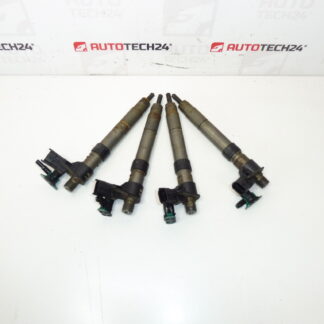
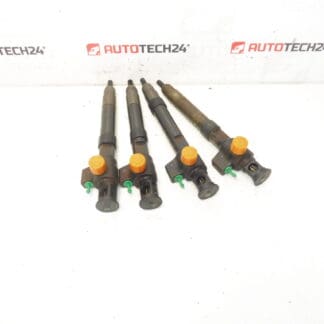
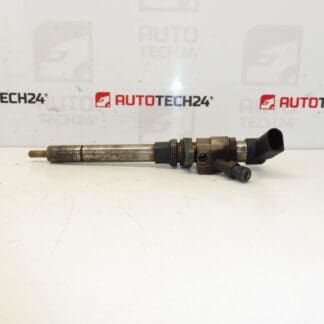
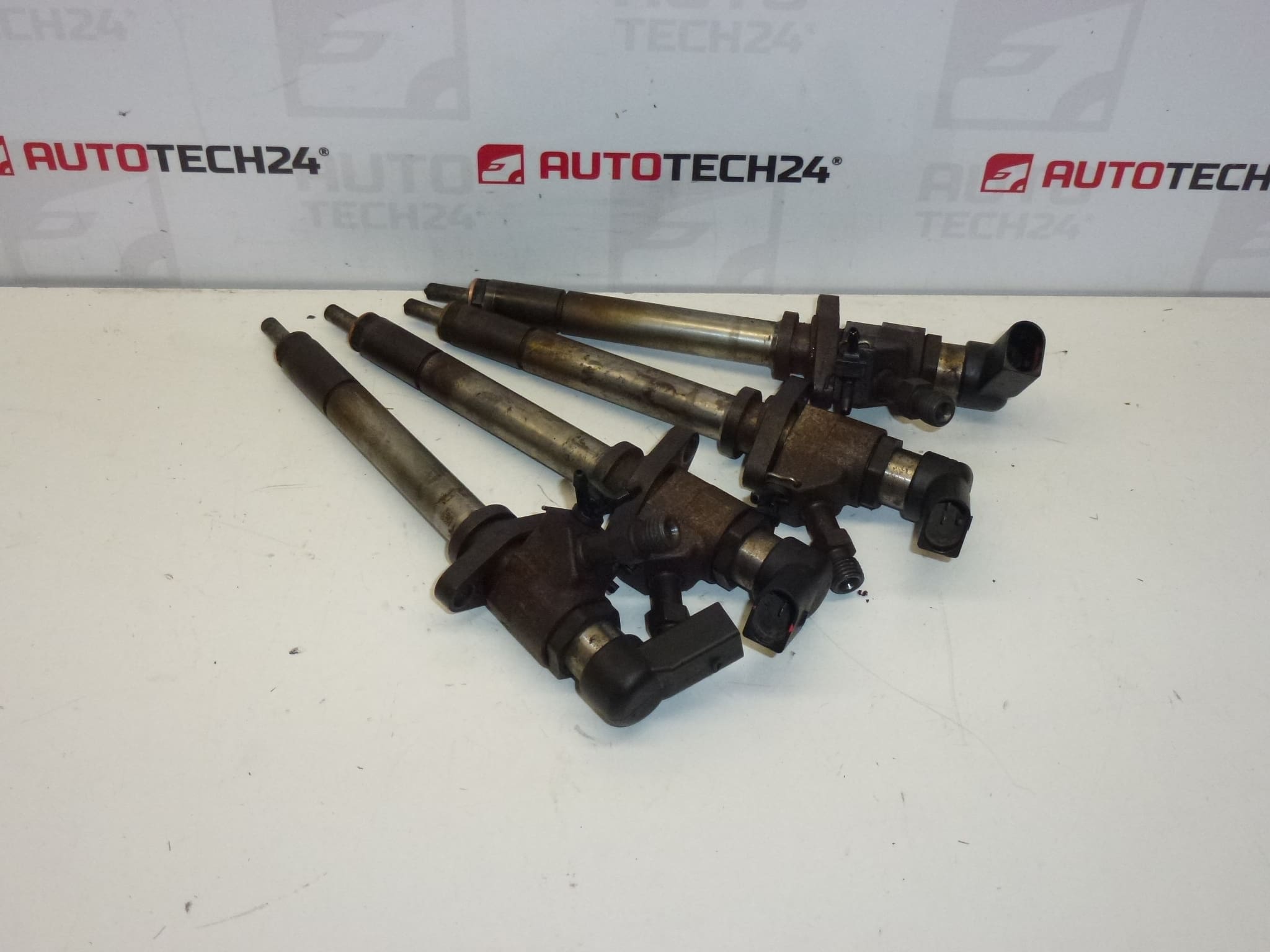
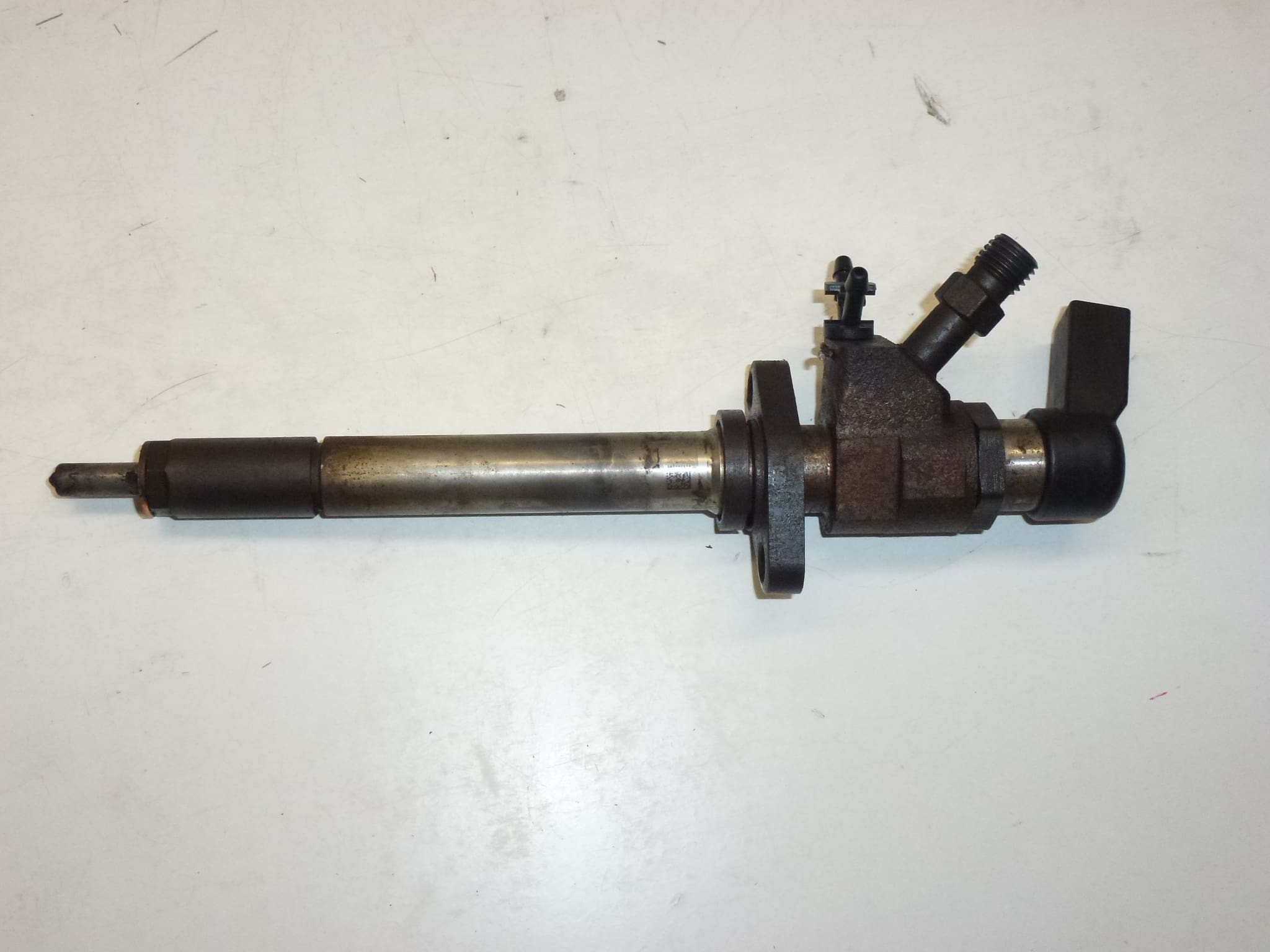
Siemens Injector Set 2.0 HDi 9657144580 9647247280 CL5. Fits vehicles: Citroën, Fiat, Ford, Peugeot, Volvo. Removed from a vehicle with 185,000 km; the engine ran perfectly. Injectors with mileage over 100,000 km may not pass a 100% performance test.
High-quality Siemens injector set designed for 2.0 HDi diesel engines. This set restores precise fuel delivery, helping to recover smooth idling, improved throttle response and reduced smoke on start-up. Ideal for professional workshops and experienced DIYers who maintain Citroën and Peugeot vehicles or compatible models from Fiat, Ford and Volvo. Commonly searched by part numbers (9657144580, 9647247280) and engine codes (1980J5, 1980Z0), this listing is optimized to help you find the exact replacement quickly.
Applications
Compatible With: Citroën C4, Citroën C4 Picasso, Citroën C5 (including C5 X7), Citroën C8; Peugeot 307, Peugeot 407, Peugeot 807; and other models equipped with 2.0 HDi engines from Citroën, Peugeot, Fiat, Ford and Volvo where the above part numbers apply. Always verify part numbers against the unit being replaced.
Technical Information
- Manufacturer: Siemens
- Model: 2.0 HDi Injector Set
- Product Codes: 9657144580, 9647247280, CL5
- Other Numbers: 1980J5, 1980Z0
Installation Recommendations
Replacement of common-rail injectors should be performed by a trained technician or an experienced DIY mechanic with proper tools. Basic steps include: relieve fuel system pressure, remove engine covers and intake components as needed to access the fuel rail, carefully depressurize and disconnect high-pressure fuel lines, unbolt and remove injectors, replace sealing washers and O-rings, install new injectors hand-tight then torque to manufacturer specification, reassemble fuel lines and components, and bleed the fuel system. Use only new crush washers and seals; never reuse old sealing parts. Follow the vehicle service manual for exact torque values and sequences.
Most Common Failure Causes
- Wear and tear from high mileage—injectors over 100,000 km commonly show reduced spray quality or leakage.
- Fuel contamination (water, dirt, or varnish deposits) that clogs nozzles or damages internal tolerances.
- Poor fuel quality or prolonged use of low-grade diesel accelerating deposit formation.
- Electrical faults in injector connectors or wiring leading to intermittent operation.
- Failed seals or copper crush washers causing external leaks or pressure loss.
Why Replace?
Replacing worn or faulty injectors restores precise metering of fuel, reducing rough idle, misfires and excessive soot, and can improve fuel economy and drivability. For vehicles showing rough running, increased smoke, or poor acceleration, injector condition should be part of the diagnostic process.
Notes
These injectors were removed from a vehicle with 185,000 km and the donor engine ran well. Because injectors with higher mileage may not pass a full bench test, consider having injectors inspected or tested on a commercial test bench if absolute performance verification is required prior to installation.