Description
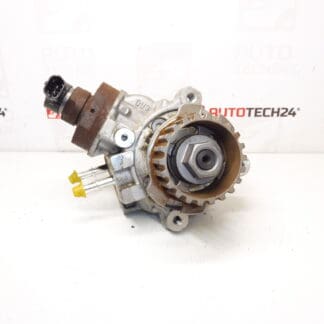
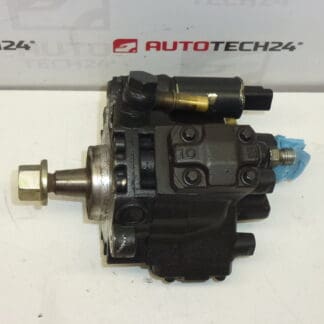
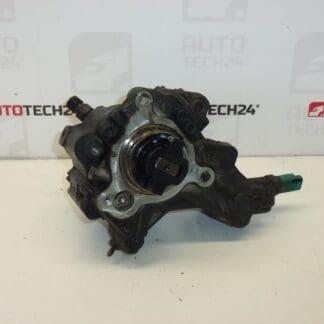
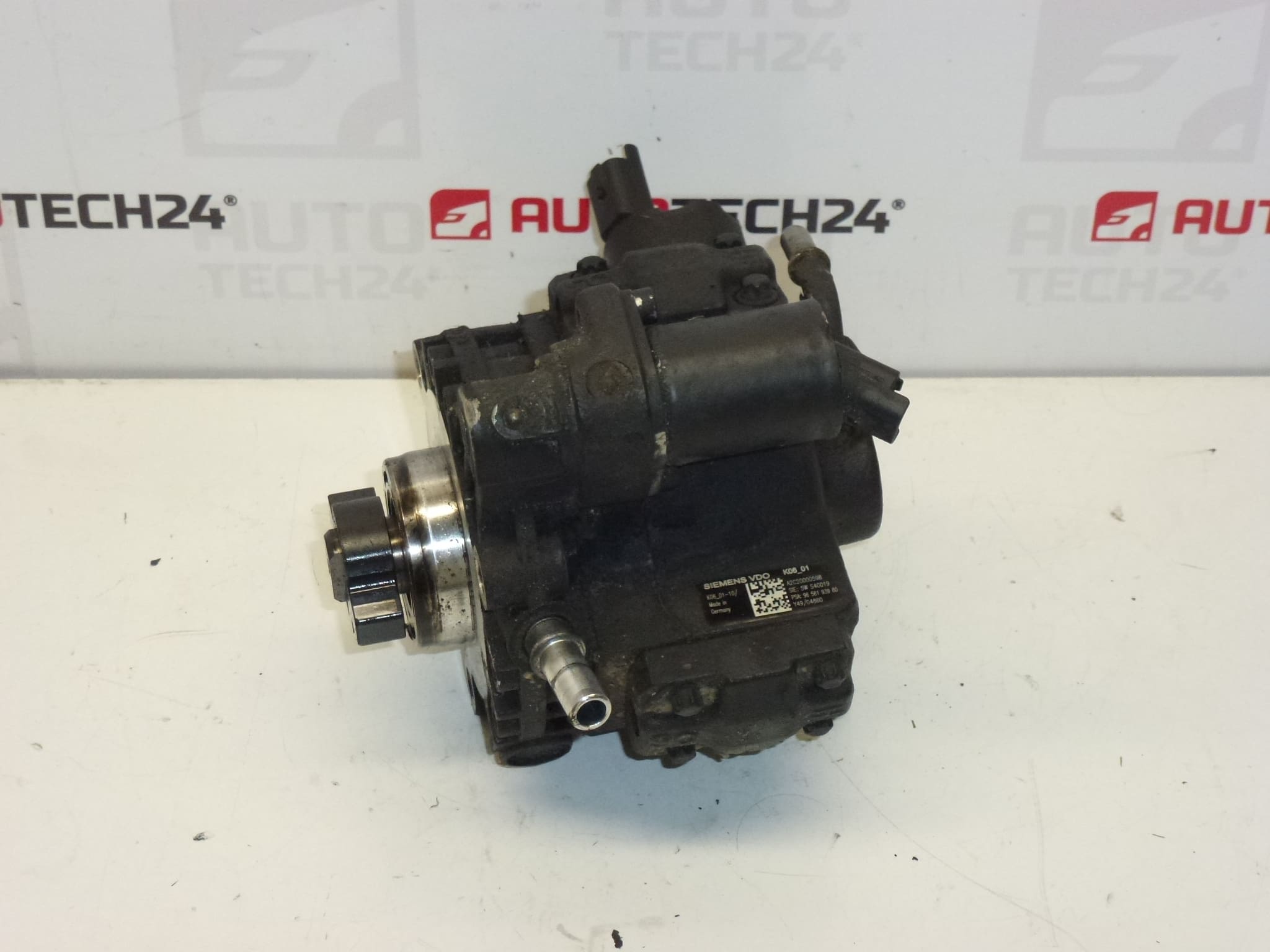
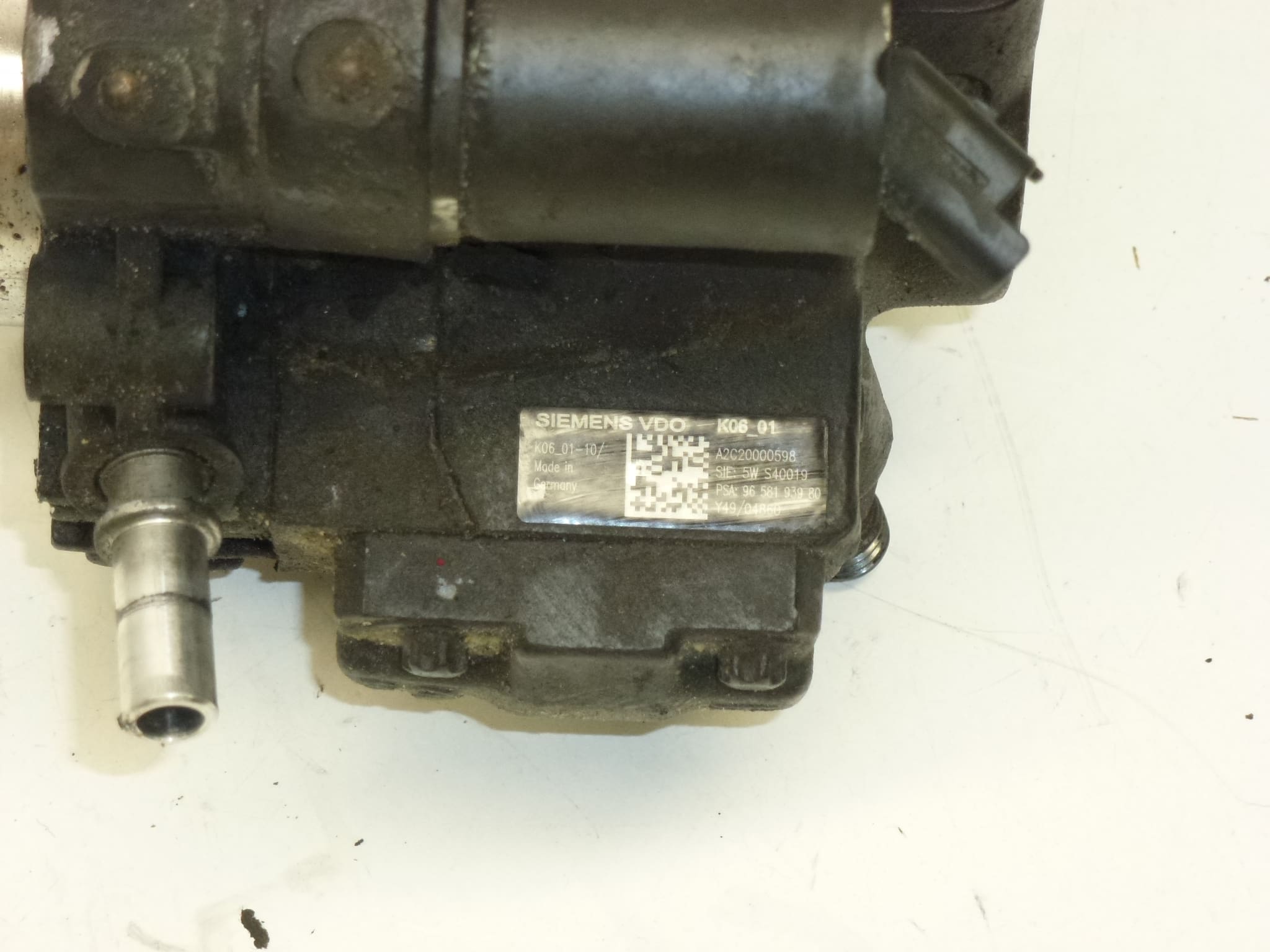
Injection pump 2.0 HDi 100 kW RHR RHK with Siemens VDO system for Citroën, Peugeot, Ford, Volvo, Mazda. Tested, with a functional warranty. From a vehicle with 131000 km; the DPF was completely fine. With fuel pressure regulator.
Description
This high-pressure injection pump is designed for the 2.0 HDi 100 kW diesel engines (engine codes RHR / RHK) and uses the Siemens VDO electronic control system. It supplies and regulates fuel to the common-rail system, including an integrated fuel pressure regulator. The unit is suitable for a range of Citroën and Peugeot applications and is commonly referenced by OEM and aftermarket product numbers, which makes it easy to find by part code in catalogs or search engines.
Technical Information
- Manufacturer: Siemens VDO
- Model: 2.0 HDi 100 kW (RHR / RHK)
- Product Codes: 5WS40019, 5WS40809, 1920QH, 1920N8
- Additional Numbers: 9658193980, 9688153080
- Mileage On Source Vehicle: 131000 km
Compatibility
Commonly fitted to diesel models from Stellantis group (Citroën and Peugeot) with 2.0 HDi RHR/RHK engines, for example: Citroën C4, Citroën C4 Picasso, Citroën C5 (incl. X7), Citroën C8, Peugeot 307, Peugeot 407, Peugeot 607, Peugeot 807. Similar pump variants are also used in some Ford, Volvo and Mazda applications—verify by part number when possible.
Function And Benefits
The injection pump is responsible for generating and supplying high-pressure fuel to the common-rail system and for maintaining correct rail pressure via the integrated pressure regulator. A properly working pump ensures stable fuel delivery, optimal combustion, lower emissions and consistent engine performance.
Typical Failure Modes
Most common causes of pump failure include fuel contamination (dirt, water), poor fuel quality, clogged fuel filter, wear of high-pressure internal components (plungers, cam elements), and failure of the fuel pressure regulator or associated sensors. Electrical faults in the pump’s control circuitry or damaged fuel lines/connectors can also lead to malfunction.
Service Life
Service life depends strongly on maintenance and fuel quality. With correct servicing and clean fuel, these pumps often exceed 200,000 km, but contamination or lack of filter changes can cause premature failures at much lower mileages.
Installation Recommendations
- Work Should Be Performed By A Trained Technician When Possible: Pump installation requires correct timing and fuel system handling—special tooling may be needed.
- Depressurize The Fuel System Before Disassembly To Avoid Injuries And Leaks.
- Mark Timing Positions And Follow Engine Manufacturer Procedures To Preserve Injection Timing; incorrect timing can cause poor running or engine damage.
- Replace Seals, O-Rings And High-Pressure Lines When Installing A New Pump To Prevent Leaks.
- Prime And Bleed The Fuel System Thoroughly After Installation To Remove Air From The Lines.
- After Installation, Inspect For Leaks And Perform A Test Run Under Load To Confirm Proper Operation.
Why This Part Is Often Replaced
Technicians most frequently replace injection pumps due to decreased fuel pressure, intermittent running faults, hard starting, loss of power or fuel leaks. These symptoms are typically caused by internal wear or contamination damaging precision components.
What You Get
High-pressure injection pump with integrated fuel pressure regulator, removed from a vehicle with 131,000 km. Supplied as shown with tested operational condition and warranty of functionality.