Description
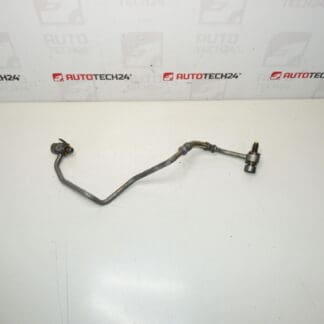
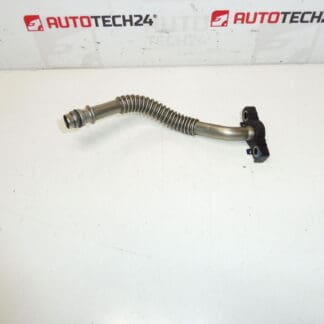
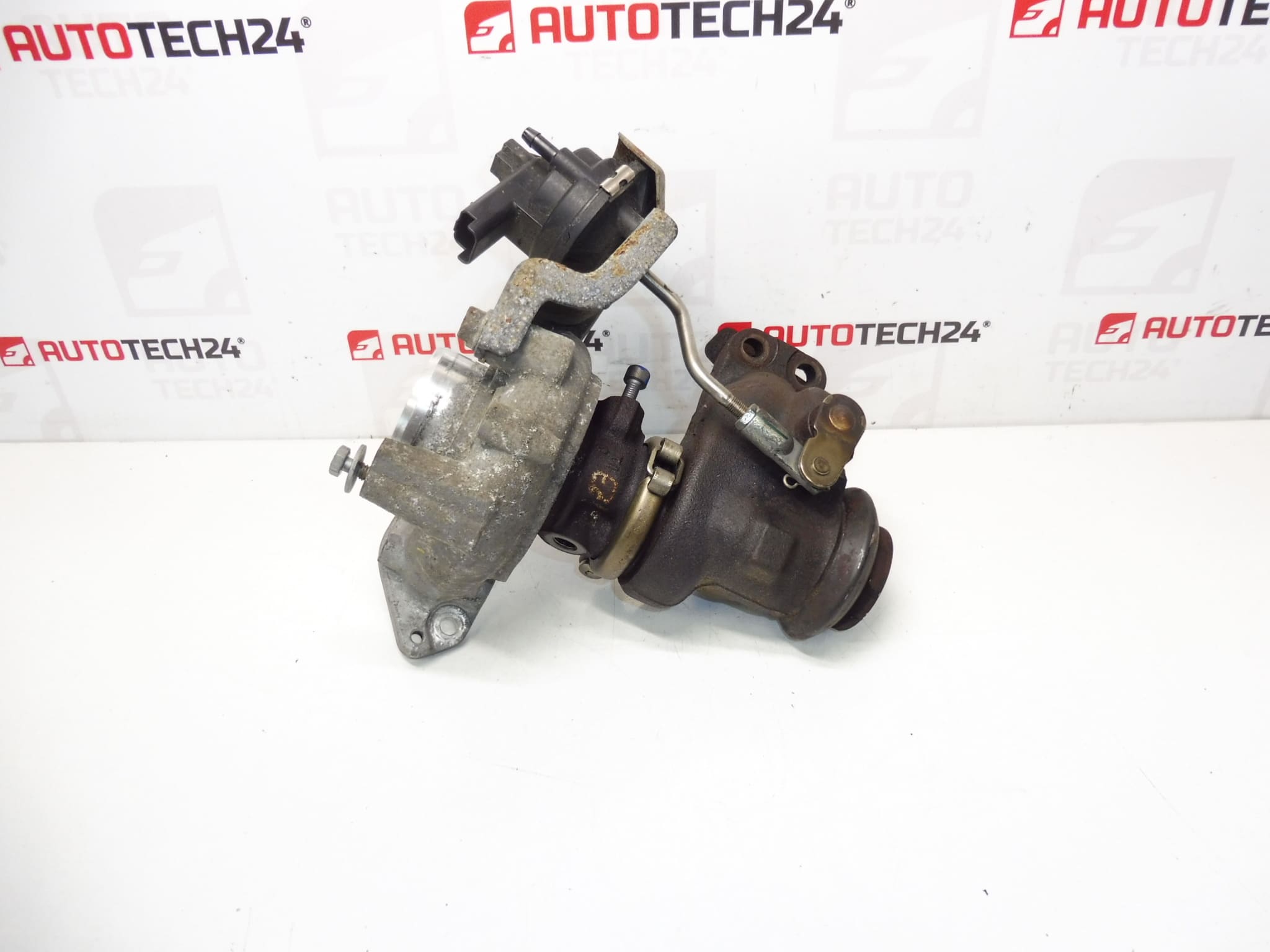
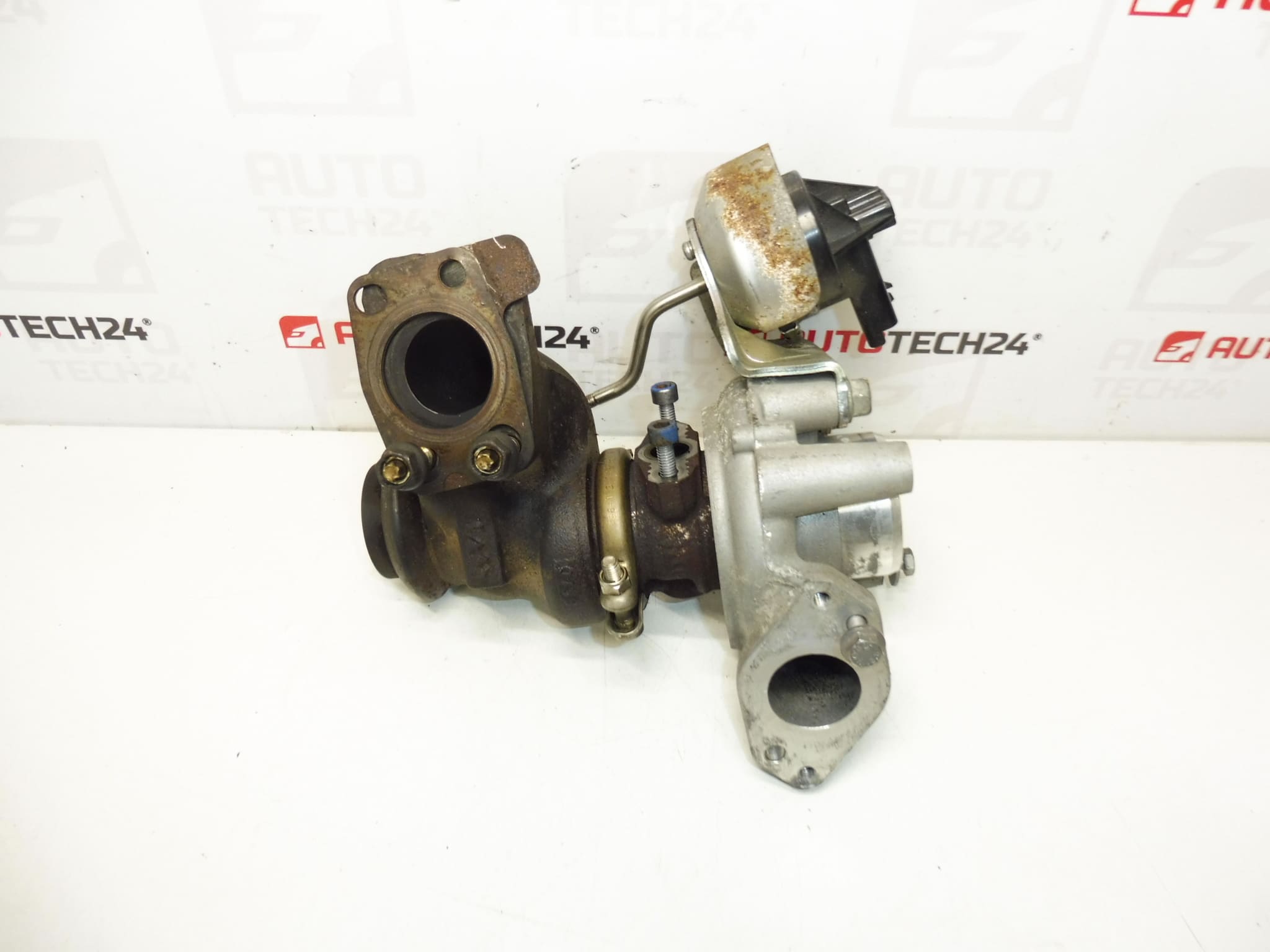
Turbocharger for 1.5 HDI 75 kW engines of Citroën, Peugeot, Opel, Fiat and Toyota vehicles
From a car with 64,000 km mileage
High-quality used turbocharger compatible with 1.5 HDI 75 kW engines fitted across the Stellantis range and selected Toyota models. This turbo delivers the boost and responsiveness expected by professional mechanics and DIY enthusiasts working on Citroën, Peugeot, Opel, Fiat and Toyota small diesel engines. Supplied with original manufacturer reference numbers to simplify ordering and replacement: 9813245480, 1631887280, 49172-03100. Ideal when restoring engine performance, resolving loss of power, excessive smoke or poor fuel economy caused by a worn or damaged turbo.
Technical Information
Manufacturer: Stellantis
Model: 1.5 HDI 75 kW (used on Citroën, Peugeot, Opel, Fiat and Toyota applications)
Product Codes: 9813245480, 1631887280, 49172-03100
Additional Numbers: Mileage From Donor Vehicle: 64,000 km
Compatibility (Typical Vehicles)
- Citroën Berlingo III (with 1.5 HDI 75 kW)
- Peugeot Partner III (with 1.5 HDI 75 kW)
- Peugeot Rifter (with 1.5 HDI 75 kW)
- Fiat Doblo III (with 1.5 HDI 75 kW)
- Opel Combo E K9 (with 1.5 HDI 75 kW)
- Toyota ProAce City (with 1.5 HDI 75 kW)
Function and Benefits
The turbocharger increases intake air pressure to improve combustion efficiency, torque and overall engine power. Replacing a degraded turbo restores throttle response, reduces excessive smoke and can improve fuel consumption. This unit uses original-equipment mounting interfaces and oil/coolant feed connections for direct fitment on compatible 1.5 HDI installations.
Typical Replacement Procedure
Recommended for experienced mechanics or skilled DIYers. General steps include:
- Disconnect the battery before starting work.
- Remove intake ducting, intercooler connections and relevant sensors to access the turbo.
- Undo the oil feed and return lines (catch all residual oil) and any coolant lines if present.
- Unbolt the turbo from the exhaust manifold and from the downpipe; support the turbo when separating to avoid strain on pipes.
- Fit new gaskets and seals (use OEM-quality replacements). Mount turbo and tighten fasteners to manufacturer torque specifications.
- Prime the turbo with oil where possible before initial start-up. Reconnect all lines, refill engine oil if drained and inspect for leaks.
- Start engine and monitor oil pressure, boost response and exhaust for abnormal noises or leaks. Allow engine to idle and reach operating temperature before test driving.
Installation Recommendations
Always follow manufacturer safety procedures and service manual instructions. Replace oil and filter or ensure clean, correct-grade oil is used when fitting a turbo to prevent premature wear. Use new gaskets and ensure oil feed/return lines are clean and free of debris. Inspect intercooler and intake for carbon or foreign objects. After installation, allow the engine to idle to verify oil pressure and absence of leaks before driving. For best results, perform a short, gentle break-in and recheck fasteners after initial service interval.
Why This Part Commonly Fails
Turbochargers typically fail due to oil-related issues (contaminated oil, oil starvation or blocked oil return), foreign object damage from intake or exhaust sides, excessive soot buildup from poor combustion or EGR problems, and wear of bearings over time. Heat cycling and insufficient warm-up/cool-down procedures (hard driving immediately after cold start or shutting the engine off hot) also shorten turbo life. Regular oil changes with the correct specification and ensuring clean oil and intake systems significantly extend turbo service life.